2026 Best Black Silicon Carbide for Global Buyers Guide?
In the world of advanced materials, "Black Silicon Carbide" is gaining significant attention. Dr. Sarah Thompson, a leading expert in abrasive materials, states, "The versatility of Black Silicon Carbide makes it essential for many industries." This compound is vital in producing high-performance components. Its unique properties cater to both high thermal conductivity and mechanical strength.
As global demand for this material rises, buyers are often overwhelmed with options. Understanding the distinct advantages of Black Silicon Carbide is crucial for making informed choices. This guide aims to clarify its applications, suppliers, and key benefits. Such insights can empower buyers to navigate the complexities of the marketplace effectively.
However, not all suppliers offer the same quality. Some may promise more than they can deliver. Therefore, challenges persist in selecting reliable products. A thoughtful approach, combined with expert advice, can mitigate these risks. Investing in knowledge about Black Silicon Carbide will undoubtedly lead to better purchasing decisions.
Overview of Black Silicon Carbide: Properties and Applications
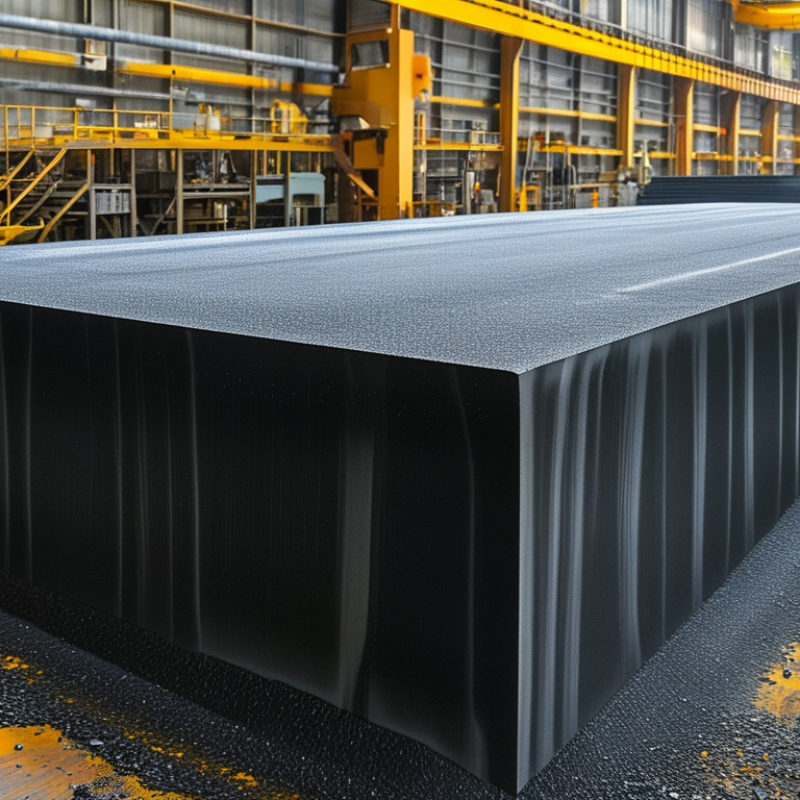
Black silicon carbide (SiC) is a prominent abrasive material known for its versatility. It possesses a high level of hardness, making it ideal for cutting and grinding applications. This material exhibits excellent thermal conductivity and stability at elevated temperatures. Such properties make black silicon carbide suitable for high-performance applications in various industries, including automotive, aerospace, and electronics.
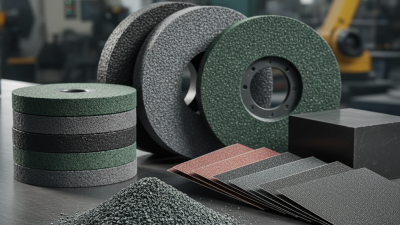
The applications of black silicon carbide are diverse. It is commonly used in the manufacturing of grinding wheels and as a semiconductor in electronic devices. Additionally, its sharp edges make it effective for polishing ceramics and glass. This multi-functionality attracts many industries, but it’s not without challenges. Sourcing high-quality black silicon carbide can sometimes be difficult. Variability in production quality could affect the end product's performance. Buyers must remain vigilant when selecting suppliers.
While black silicon carbide has gained popularity, its environmental impact is an important factor to consider. The production process can generate pollutants. Companies seek sustainable practices to mitigate these effects, but the journey toward greener alternatives is ongoing. The demand for black silicon carbide remains high, reflecting its crucial role in modern manufacturing. Choosing the right type for specific applications is essential for optimizing performance and minimizing environmental implications.
Key Suppliers of Black Silicon Carbide in the Global Market
Black silicon carbide (SiC) is becoming increasingly important in various industries. It is highly valued for its hardness and thermal stability. Global demand for this material has surged. As a buyer, understanding the key suppliers is crucial.
Many companies specialize in black silicon carbide production. They ensure consistent quality and supply. Suppliers often focus on innovating processing techniques. This commitment may help in reducing costs while maintaining standards. However, not all suppliers are equally trustworthy. It is essential to verify credentials before making decisions.
When engaging with suppliers, consider their experience in the field. Longevity can indicate reliability. Look for suppliers who adhere to international quality standards. It is wise to request samples before placing large orders. This allows you to assess the quality firsthand. Negotiating terms is also vital for a beneficial partnership. Cultivating relationships with multiple suppliers can offer competitive advantages.
Potential buyers should also stay updated on market trends. Understanding shifts in supply and demand can guide procurement strategies. Regularly attending industry conferences can provide valuable insights. Networking with experts will enhance knowledge about the best practices in sourcing black silicon carbide.
Quality Standards and Certifications for Black Silicon Carbide Products
Quality standards and certifications play a critical role in the selection of black silicon carbide products. The global market has been shifting towards higher quality specifications, driven by industries such as automotive, aerospace, and electronics. According to a recent industry report, about 70% of buyers prioritize compliance with international standards like ISO 9001 and ASTM. These certifications ensure that the products meet specific criteria for quality and safety, which is essential in applications where reliability is crucial.
In addition, regional certifications, such as REACH in Europe and RoHS regulations, are gaining traction. These standards relate to environmental safety and the restriction of hazardous substances. Manufacturers are increasingly required to demonstrate compliance through rigorous testing and documentation. However, many producers struggle with the complexities of achieving these certifications. Some may focus on lower-cost production, risking quality. Buyers should be cautious and verify certifications, as several suppliers may lack proper documentation.
Recent statistics show that approximately 30% of black silicon carbide products fail to meet quality standards during initial inspections. This alarming rate prompts buyers to conduct their due diligence. Ensuring a reliable supply chain means scrutinizing certifications and understanding the testing protocols used. The growing demand for high-quality materials adds pressure on producers to maintain compliance while also managing costs.
2026 Best Black Silicon Carbide Quality Standards and Certifications
Pricing Trends and Market Analysis for Black Silicon Carbide in 2026
The global market for black silicon carbide is witnessing significant trends as we approach 2026. Recent industry reports indicate that the demand for black silicon carbide has surged, driven largely by its application in various sectors, including abrasives and electronics. The market is projected to grow at a compound annual growth rate (CAGR) of 5.2%. This rise reflects an increasing preference for high-performance materials across industries.
Pricing trends reveal a complex landscape. In early 2023, prices ranged from $600 to $800 per ton. This fluctuation has been attributed to supply chain challenges and raw material availability. Experts suggest that prices may stabilize or even increase as production costs rise. Additionally, the ongoing geopolitical factors could impact trade patterns, leading to further unpredictability in pricing.
As we delve deeper into market dynamics, it's clear that while opportunities abound, challenges persist. Companies must navigate regulatory environments and sustainability concerns. Reports show a growing emphasis on eco-friendly practices in material sourcing. Thus, buyers must align their procurement strategies with sustainable initiatives to remain competitive. The path ahead requires adaptability and strategic planning to capitalize on the evolving landscape of black silicon carbide.
Future Developments and Innovations in Black Silicon Carbide Technology
The technology surrounding black silicon carbide (SiC) is evolving rapidly. Innovations are enhancing its efficiency and applicability. Industries are exploring new production methods that reduce costs and enhance quality. These advancements are crucial for sectors like electronics and manufacturing.
Recent developments focus on improving the thermal and electrical conductivity of black SiC. Research emphasizes sustainability, aiming to minimize environmental impact during production. There are efforts to recycle materials used in SiC manufacturing, which could lead to more eco-friendly practices.
Emerging applications are also noteworthy. Engineers are testing black SiC in electric vehicles and renewable energy systems. These new uses highlight its versatility and the potential for performance improvements. However, challenges remain in scalability and performance consistency that require further investigation. The future of black silicon carbide is promising, but it is essential to address these issues for broader adoption.
2026 Best Black Silicon Carbide for Global Buyers Guide
| Category |
Property |
Value |
Application |
| Hardness |
Mohs Hardness |
9.0 |
Abrasives, Cutting tools |
| Thermal Conductivity |
W/mK |
120-200 |
Heat sinks, Semiconductors |
| Chemical Stability |
pH Resistance |
Strong Acids/Bases |
Chemical processing |
| Electrical Conductivity |
S/m |
Varies |
Electronics, Power devices |
| Purity Level |
% SiC |
99.9% |
High-performance applications |
| Cost |
USD per kg |
$2.50 - $5.00 |
Various applications |