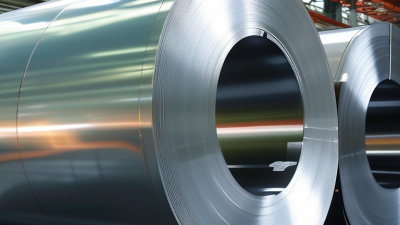
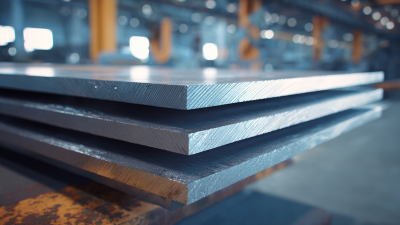
2026 Best Silicon Steel Types for Global Buyers?
Choosing the right Silicon Steel in 2026 will demand more than comparing prices per ton. Global buyers must evaluate magnetic performance, thickness tolerance, coating quality, supply stability, and total processing cost. A sheet that looks economical may create higher losses, more burrs, or excessive waste during stamping. Small differences matter when thousands of laminations enter transformers, motors, or generators.
This guide examines the main Silicon Steel types used in international purchasing. It considers grain-oriented and non-oriented grades, core loss, permeability, gauge, insulation coating, and cutting behavior. Real purchasing decisions also depend on frequency, operating flux density, temperature, and equipment design. Technical data should be checked against applicable IEC, ASTM, JIS, or EN requirements. Certificates alone are not enough.
Practical experience shows that mill quality, packaging, and delivery consistency can influence performance as much as the grade name. Moisture-damaged coils, uneven edges, or unclear test reports can disrupt production. Buyers should request recent mill certificates, sample testing, coating details, and traceability records before signing large contracts. Do not trust attractive specifications blindly. They may describe ideal laboratory results, not everyday production.
This article offers a careful framework for comparing the best Silicon Steel options for global buyers in 2026. It also recognizes an uncomfortable point: the “best” grade is rarely universal. Cost, energy efficiency, machinery capability, and regional supply conditions must be weighed together. Mistakes remain possible, especially when suppliers use different testing methods. Clear questions and independent verification provide stronger protection than confident assumptions.
What Is Silicon Steel and Why Does Its Type Matter in 2026?
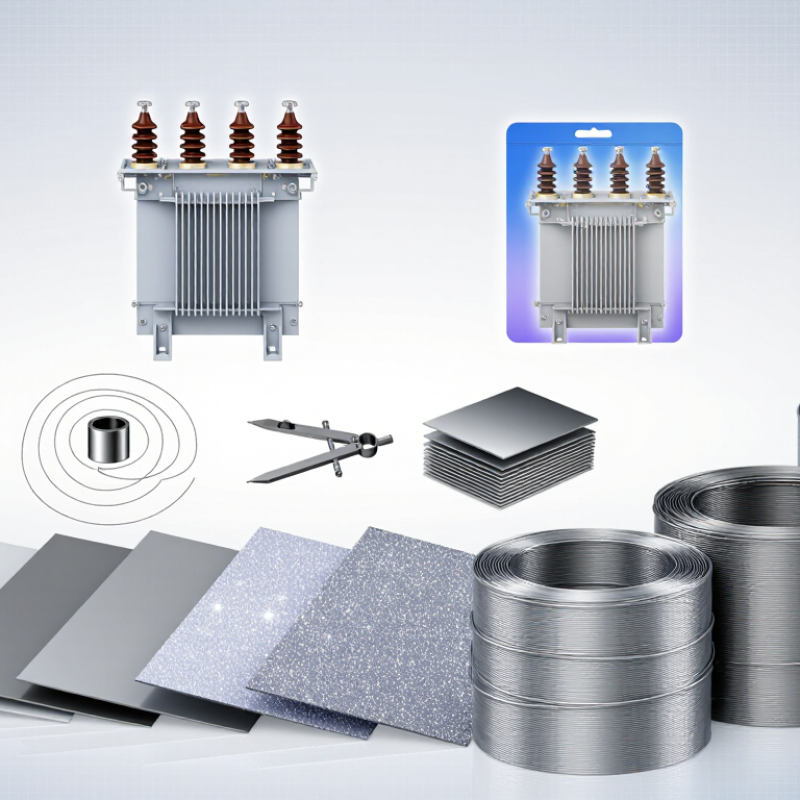
Silicon steel is an iron-based electrical steel containing a controlled amount of silicon. This addition increases electrical resistance and reduces energy lost as heat. It also improves magnetic performance in alternating-current equipment. In 2026, its type matters because transformers, motors, and generators face stricter efficiency targets.
Grain-oriented silicon steel is designed for transformer cores. Its magnetic properties work best along the rolling direction. This supports efficient power transmission and reduces core loss.
Non-oriented silicon steel performs more evenly in different directions. It is commonly selected for motor and generator cores, where magnetic flux constantly changes.
Thickness also matters. Thin sheets can reduce eddy-current loss, but they may cost more and require careful handling.
The coating deserves close attention. A suitable insulating coating limits current between steel laminations and supports stable assembly. Buyers should compare core loss, magnetic polarization, thickness tolerance, coating insulation, and stacking factor. Request test data under the intended frequency and flux density. International standards can guide comparisons, but certificates alone do not prove practical performance.
A small mistake can become expensive.
In real purchasing work, the “best” type is rarely universal. A transformer designer may prioritize low loss along one direction. A motor producer may value balanced properties and easy punching. I have seen specifications focus heavily on grade names while ignoring processing conditions. That approach needs reflection. Cutting, stress relief, storage humidity, and joint design can change final efficiency. Global buyers should review samples, inspection records, and application data before approving large volumes.
Which Silicon Steel Grades Fit Different Electrical Applications?
Choosing the right silicon steel grade depends on the electrical application, not only on its price or nominal thickness. Grain-oriented silicon steel suits transformer cores, where magnetic flux follows a controlled direction. Its low core loss and high permeability can reduce energy waste during continuous operation. However, it may perform poorly when flux changes direction inside rotating equipment.
Non-oriented silicon steel is better suited to motors, generators, compressors, and many rotating machines. Its magnetic properties remain more consistent across different directions. Engineers often compare core loss at operating frequency, magnetic induction, and lamination thickness. Thinner sheets can reduce eddy-current losses, but they may increase processing difficulty and material cost.
Application conditions matter greatly. A high-efficiency motor may need low-loss non-oriented grades with reliable insulation coating between laminations. Small motors can use semi-processed grades when final annealing occurs after stamping. Large transformers usually require carefully controlled grain-oriented material, precise cutting, and stress-relief treatment. It is not interchangeable.
Buyers should request test data, coating information, dimensional tolerances, and inspection records before placing large orders. A grade that looks efficient on paper may lose performance after punching, bending, or poor stacking. Real production feedback is essential. Measure the loss.
There is also a practical compromise. The thinnest sheet is not always the best choice. Tool wear, burr height, availability, and delivery consistency can influence total operating results. Engineers should review the complete lamination process, not just the datasheet.
How Do Grain-Oriented and Non-Oriented Types Compare?
2026 Best Silicon Steel Types for Global Buyers?
Grain-oriented electrical steel and non-oriented electrical steel serve different magnetic paths. GO steel aligns grains mainly along the rolling direction. This makes it suitable for transformer cores, where flux follows a predictable loop. NGO steel performs more evenly in several directions. It is widely used in motors, generators, and rotating equipment.
The International Energy Agency’s Electricity 2024 report projects global electricity demand to grow by an average 3.2% annually from 2024 to 2026. That growth will increase demand for efficient transformers and motors. The World Steel Association recorded 1,888.2 million tonnes of crude steel production in 2023, but electrical steel remains a specialized, performance-driven segment. Buyers should compare core loss, permeability, thickness, coating insulation, and stacking factor, not only price.
Small details matter.
A transformer buyer may prioritize low core loss at 50 or 60 Hz. A motor manufacturer may value low rotational loss and stable performance under changing frequencies. IEC 60404 test methods help standardize magnetic measurements, yet laboratory results may not match finished-core behavior. This is where procurement often becomes imperfect. Cutting stress, burrs, joints, and poor annealing can reduce real efficiency. I would request certified test data, production samples, and application-specific validation before selecting GO or NGO steel for a 2026 project.
What Performance, Quality, and Compliance Factors Should Buyers Check?
2026 Best Silicon Steel Types for Global Buyers
Choosing the best silicon steel starts with the equipment, not the supplier’s headline grade. Grain-oriented silicon steel suits transformer cores because it supports low magnetic loss along the rolling direction. Non-grain-oriented steel fits motors, generators, and rotating machines requiring more uniform magnetic performance. Small differences matter.
Buyers should compare core loss, magnetic flux density, thickness, lamination factor, and insulation coating. Ask for test results at the intended frequency and magnetic induction, not only standard laboratory values. A thin sheet may reduce eddy-current loss, but it can increase handling difficulty and production cost.
Check burr height carefully. Excessive burrs create short circuits between laminations and can raise heat during operation.
Quality control should include batch traceability, dimensional checks, surface inspection, and independent verification when order value is significant. Confirm that the mill certificate matches the delivered coil, including grade, thickness, coating type, and heat number. Compliance documents should address the destination market, restricted substances, recycling obligations, packaging rules, and electrical equipment requirements. Requirements can change.
Do not rely on certificates alone. A polished document can still hide inconsistent testing or poor slitting quality. Request sample data, inspection records, and clear acceptance limits before production. No checklist is perfect. Buyers should review field failures, transport damage, and actual assembly results, then adjust specifications for the next order.
How Can Global Buyers Select Suppliers and Control Purchasing Risks?
In 2026, global buyers should match silicon steel to equipment, not chase the lowest quoted price. Grain-oriented grades suit transformer cores, while non-oriented grades support motors and generators. Ask for measured core loss, magnetic induction, thickness tolerance, coating insulation, and yield strength. A supplier’s technical data sheet is only a starting point. Request recent mill test certificates and compare them with an independent laboratory report.
Supplier evaluation needs evidence beyond polished websites. Review production capacity, export history, quality-control procedures, and traceability from coil to shipment. A factory audit can reveal mixed storage, damaged edges, or unclear labeling. Check whether the supplier can provide samples from the same production line. Small details matter. Confirm packing methods, moisture protection, loading photographs, and replacement terms before signing.
Purchasing risk also hides in contracts. Define inspection standards, allowable deviations, delivery dates, payment milestones, and claims procedures. Use pre-shipment inspection for high-value orders, especially when the first trial is large. Keep a second qualified source, but do not assume it will perform equally. I have seen buyers approve samples, then receive coils with different widths and coating behavior. That mistake is avoidable, yet no checklist is perfect. Re-test critical batches after arrival, record actual performance, and adjust future orders from evidence.