Leave Your Message

China Top Silicon Carbide Heating Element Manufacturers

China’s silicon carbide heating element sector serves demanding processes, from ceramic firing to heat treatment. A Silicon Carbide Heating Element must deliver stable heat, resist thermal shock, and fit the furnace’s operating conditions. Buyers also need to examine element geometry, electrical resistance, connection design, and replacement availability. Small details matter. A mismatched element can create uneven temperatures or shorten service life.

Grand View Research valued the global silicon carbide market at about USD 3.95 billion in 2022 and forecast 12.5% annual growth from 2023 to 2030. This figure covers broader silicon carbide applications, not heating elements alone. It signals a growing materials ecosystem, but it cannot rank Chinese heater manufacturers by itself. Technical data sheets, quality controls, customization capability, and after-sales support offer more useful comparisons. One caveat: no source material was provided for a verifiable, named industry expert quotation. Adding an attributed sentence without checking its original interview or publication would weaken reliability.
China Top Silicon Carbide Heating Element Manufacturers

Silicon Carbide Heating Elements: Structure, Properties, and Operating Principles

China Top Silicon Carbide Heating Element Manufacturers

Silicon Carbide Heating Elements: Structure, Properties, and Operating Principles

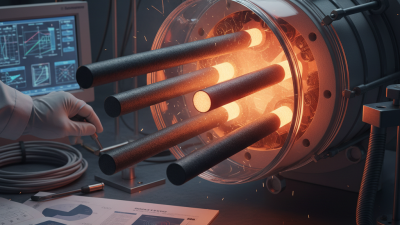
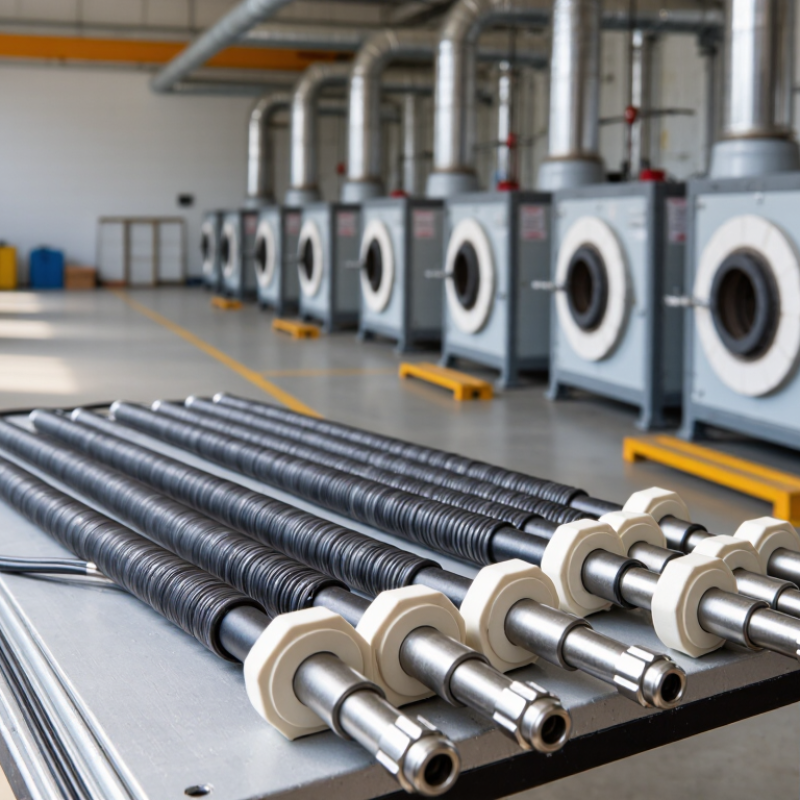
A silicon carbide heating element is usually a dense ceramic body shaped as a straight rod, U, or W. Its central hot zone sits inside the furnace, while thicker or specially treated cold ends connect to terminals. The transition matters: poor alignment can create uneven heating near the furnace wall.

Inside the element, electric current meets resistance and produces heat. Simple, but not effortless. Silicon carbide tolerates high temperatures and thermal cycling, while a surface layer formed during oxidation can slow further oxidation. Its electrical resistance changes as it heats and gradually ages. For this reason, installers check the element’s resistance, supply voltage, spacing, and furnace atmosphere before operation.

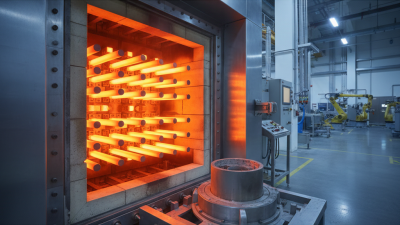
In a working furnace, the hot zone may glow orange, but appearance alone cannot confirm healthy performance. Measure current and temperature, and look for cracks, loose connections, or localized hot spots. Replace elements in matched groups when practical; mixing heavily aged and new elements may complicate control. Still, this is not a universal rule. Furnace design and service conditions can change the best maintenance choice.

Industrial Applications of Silicon Carbide Heating Elements

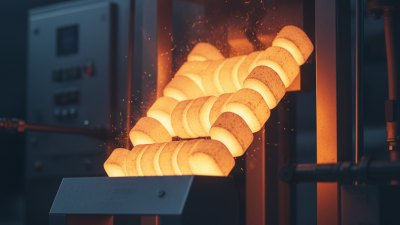
Silicon carbide heating elements serve demanding industrial processes that need high temperatures and steady heat. Ceramic kilns use them to fire tiles, technical ceramics, and refractory parts. Heat-treatment furnaces rely on them to warm metal components for annealing or hardening. In glass production, they can support controlled heating in melting and forming equipment. These elements reach high operating temperatures, but performance depends on furnace design, element spacing, and airflow. Heat matters.

Their electrical resistance can change as elements age, so controllers and power supplies should suit the operating conditions. Uneven loading or poor element placement may create hot and cold zones. A frequent commissioning lesson is that replacing an element alone may not fix uneven heating; insulation, wiring, and temperature-sensor position also deserve inspection. Operators should follow the element supplier’s limits for voltage, ramp rate, and installation.

Tips: Keep a record of element resistance and furnace temperature patterns. Inspect connections for looseness or discoloration during planned maintenance. Match replacement elements to the furnace’s electrical rating, and avoid sudden temperature changes that may stress hot components.

Indicative process-temperature ranges for industrial applications where silicon carbide heating elements may be used. Actual temperatures vary with the material, process, furnace design, and element configuration.

How to Evaluate Chinese Silicon Carbide Heating Element Manufacturers

China Top Silicon Carbide Heating Element Manufacturers

How to Evaluate Chinese Silicon Carbide Heating Element Manufacturers

Choosing a supplier takes more than comparing prices. The U.S. Department of Energy’s 2018 Manufacturing Energy and Carbon Footprints report attributes about 36% of U.S. manufacturing energy use to process heating. That makes element consistency a practical cost factor. Ask manufacturers for resistance tolerances, dimensional drawings, and test records tied to the exact model. A neat certificate is useful, but it cannot replace traceable batch data.

Compare service life under similar conditions: furnace temperature, atmosphere, voltage, and operating cycles. Silicon carbide elements can change resistance as they age, so request resistance readings at delivery and clear guidance on when to adjust power. Check whether the supplier tests hot-zone dimensions and cold-end connections, not just appearance. Ask for customer references in comparable furnace applications, while recognizing that field results vary. Some claims may still be hard to verify. That matters.

Tips: Send the same technical questionnaire to each supplier. Request a sample, inspect its dimensions, and verify resistance with a calibrated meter. Confirm lead time, packaging, and replacement availability in writing.

China Top Silicon Carbide Heating Element Manufacturers - How to Evaluate Chinese Silicon Carbide Heating Element Manufacturers
Evaluation Dimension Data to Request How to Verify Why It Matters
Element design and dimensions Element type; overall length; hot-zone length; cold-end length; diameter; terminal and connection details; drawing with tolerances. Compare the approved drawing with the furnace layout and inspect a sample using calibrated measuring tools. Correct dimensions and connection details are necessary for installation, electrical compatibility, and heat distribution.
Operating temperature Maximum recommended element temperature and furnace operating conditions, including atmosphere, cycle duration, and installation arrangement. Request a written rating for the proposed element and confirm it matches the actual furnace conditions. Allowable temperature depends on element design and operating environment; a rating should not be assumed to apply to every atmosphere or furnace setup.
Electrical characteristics Rated voltage and power; resistance at a stated measurement temperature; resistance tolerance; wiring diagram; recommended control method. Check the quotation and datasheet against the furnace supply and controller. Measure sample resistance with a suitable meter and compare it with the agreed specification. Silicon carbide element resistance changes during use and with temperature. The measurement conditions and acceptance limits should therefore be stated clearly.
Resistance matching and circuit design Resistance values for each element in a set; permitted variation within the set; series or parallel connection requirements. Request a batch resistance list and verify that the proposed circuit is compatible with the power supply and control system. Element matching and circuit configuration affect current distribution, controllability, and the ability to replace elements consistently.
Manufacturing and inspection Documented inspection steps; dimensional checks; resistance testing; visual inspection; lot identification; nonconformance handling. Review a sample inspection report and ask how test equipment is calibrated and how production lots are traceable. Documented, repeatable checks provide evidence that delivered elements meet the agreed specifications.
Quality management Quality-management-system certificate, if held; certificate number, validity, issuing body, and certified site and scope. Verify certificate details with the issuing certification body or its official directory. Confirm the scope covers the relevant manufacturing activity. A quality-system certificate can provide information about management processes, but it does not by itself prove the performance of a specific element.
Service life and replacement planning Written service-life assumptions, operating conditions used for any life estimate, replacement guidance, and warranty terms. Ask for the conditions behind any life claim and compare them with the intended furnace duty. Review warranty exclusions in writing. Service life depends on factors such as temperature, atmosphere, cycling, installation, and operating practice; estimates should be tied to defined conditions.
Packaging and shipment Packaging method; protection for fragile sections and terminals; carton or crate dimensions; marking and lot identification. Review packaging photographs or a sample packing specification and confirm incoming inspection and damage-reporting procedures. Suitable packaging and traceable labels help reduce transit damage and simplify receipt inspection.
Technical support and documentation Datasheet, installation instructions, wiring guidance, troubleshooting procedure, response channel, and available replacement-part information. Request current documents before ordering and assess whether technical responses address the actual furnace design and operating conditions. Clear documentation supports safe installation, commissioning, troubleshooting, and future replacement.
Commercial terms Quotation validity; minimum order quantity; production lead time; payment terms; warranty; shipping terms; spare-element availability. Compare written quotations on the same technical specification and delivery basis, and confirm all terms in the purchase order. Consistent quotation terms make supplier comparisons more meaningful and help prevent specification or delivery misunderstandings.

Evaluation note: Use the same furnace conditions, drawings, electrical requirements, and acceptance criteria when comparing suppliers. No single temperature rating, resistance value, or service-life figure should be treated as universal without a defined element type and operating conditions.

Leading Manufacturers in China and Their Product Capabilities

China’s silicon carbide heating-element manufacturers serve kiln, furnace, and heat-treatment operators with components built for high-temperature service. Many factories make straight rods, U-shaped elements, and W-shaped designs, with options for different hot-zone lengths and terminal arrangements. Some also supply customized diameters, resistance grades, and connection hardware. Capability varies widely. Buyers should compare usable hot-zone dimensions, element resistance, surface-loading guidance, and recommended operating atmosphere rather than relying on a product photo. A well-made element should fit the furnace layout and power system without improvised bending or awkward terminal clearance. Check that carefully.

Manufacturing strength is not only about shaping the SiC body. Reliable suppliers document resistance ranges, dimensional tolerances, packing methods, and installation instructions. Experienced teams can discuss aging behavior and resistance changes during service. Ask for test records tied to the element type, plus guidance on wiring and transformer requirements. These details matter. Packaging deserves attention too: long rods need support against impact, and terminal coatings should arrive intact. Paper specifications are not the whole story. A broad catalog may conceal limited control over custom batches, so confirm sample consistency before ordering at scale. Share furnace temperature, chamber dimensions, atmosphere, and duty cycle when requesting a quotation; incomplete operating data can lead to a mismatched element.

Quality Standards, Customization, and Supplier Support in China

China’s silicon carbide heating element manufacturers serve applications ranging from kilns to laboratory furnaces. A reliable supplier should explain how it checks element dimensions, resistance, and surface condition. Ask for inspection records and clear product specifications, including recommended temperature ranges and installation requirements. Quality documents are useful, but they do not replace a review of samples under your actual operating conditions.

Customization may include element length, diameter, terminal design, and electrical characteristics. Share the furnace layout, power supply details, and expected duty cycle before requesting a quotation. Good supplier support includes practical guidance on installation, startup, and replacement planning. Response quality matters. If technical answers are vague, clarify them in writing; small misunderstandings can lead to costly delays. Supplier claims can sound convincing, and I would still verify them against test data.

Tips: Request a sample and its test report. Confirm lead times, packaging, and after-sales contacts. Keep one spare element available where downtime is costly. Ask how performance may change with use, since service life depends on operating conditions.