Why Choose Silicon Carbide Abrasive for Your Projects?
Silicon Carbide Abrasive has become a popular choice in various industries, including manufacturing and automotive. According to Dr. Emily Carter, an expert in materials science, "Silicon Carbide Abrasive is ideal for projects that require durability and precision." This statement reflects the growing trend towards better materials in competitive markets.
When considering the advantages of using Silicon Carbide Abrasive, one must recognize its unique properties. It outperforms traditional abrasives in tough conditions. Its hardness allows for faster cutting and better surface finishes. Many professionals have noted improvements in efficiency when switching to this material. Yet, some might find the initial cost higher than other options, which can lead to hesitation.
Despite these challenges, several industries report significant long-term savings. The resilience of Silicon Carbide Abrasive often leads to lower maintenance costs and extended tool life. This shift towards superior materials is not without its learning curves. Companies must balance costs with performance to optimize outcomes.
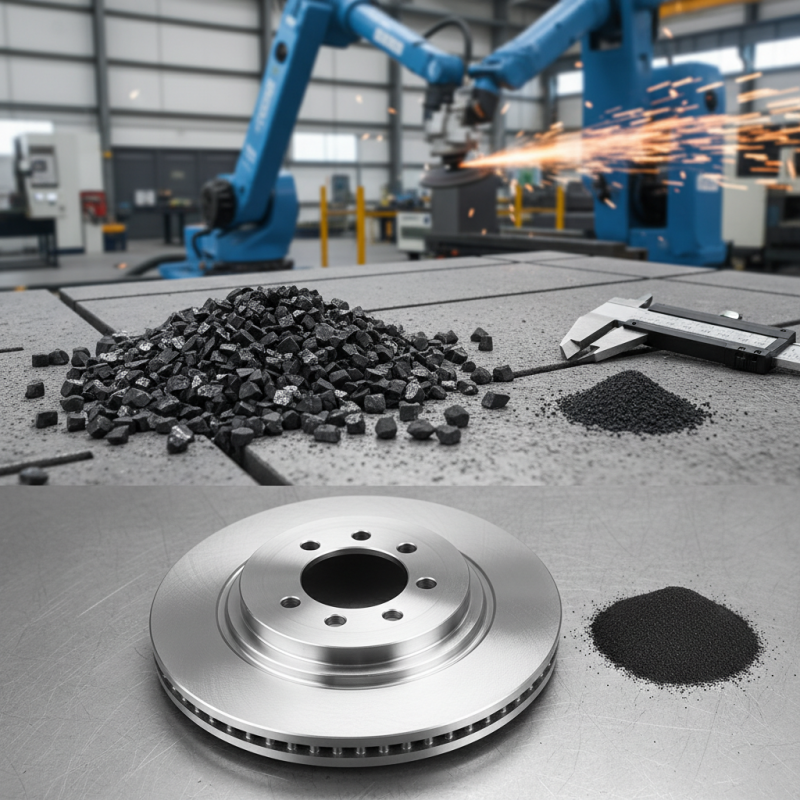
Understanding Silicon Carbide and Its Unique Properties
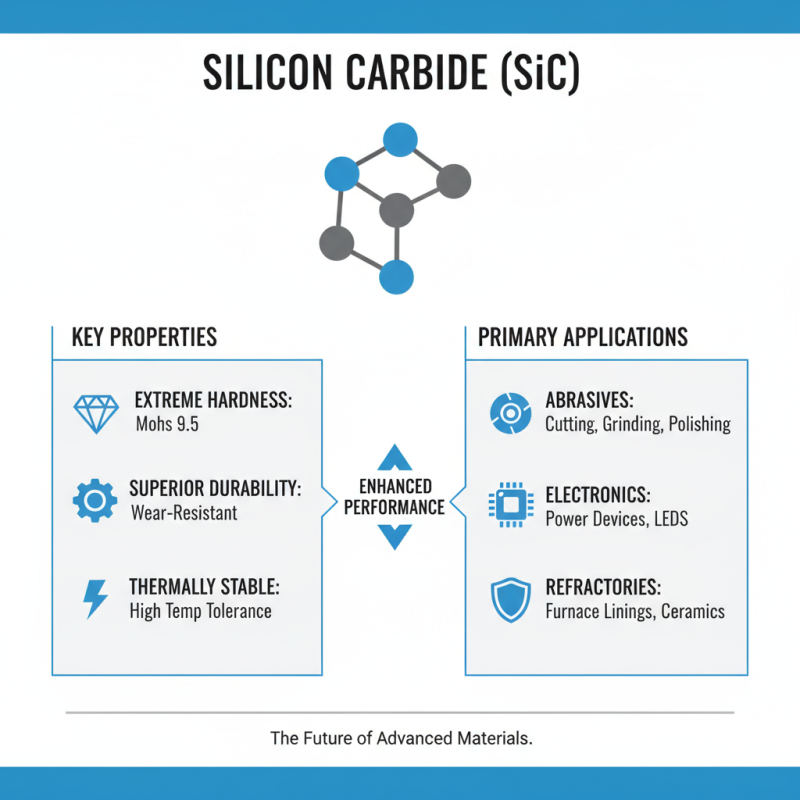
Silicon carbide (SiC) is a remarkable material known for its unique properties. It stands out for its hardness, making it an excellent choice for abrasive applications. Compared to traditional materials, silicon carbide provides an edge in durability and performance. Its sharpness allows for efficient cutting and grinding, which is vital for many different projects.
When using silicon carbide abrasives, consider the grit size. Coarser grits are excellent for heavy removal tasks, while finer grits are ideal for finishing surfaces. This versatility means that you can tackle a wide range of materials from metal to ceramics. Remember, selecting the right grit can significantly affect your project outcome.
One tip to maximize efficiency is to adjust your pressure during use. Too much pressure can dull the abrasive and lead to premature wear. Experimenting with pressure can yield a better finish. Lastly, ensure proper ventilation to avoid inhaling dust particles generated during the grinding. Creating a safe workspace is crucial. Evaluating your methods regularly can help improve your techniques over time.
Comparative Analysis: Silicon Carbide vs. Traditional Abrasives
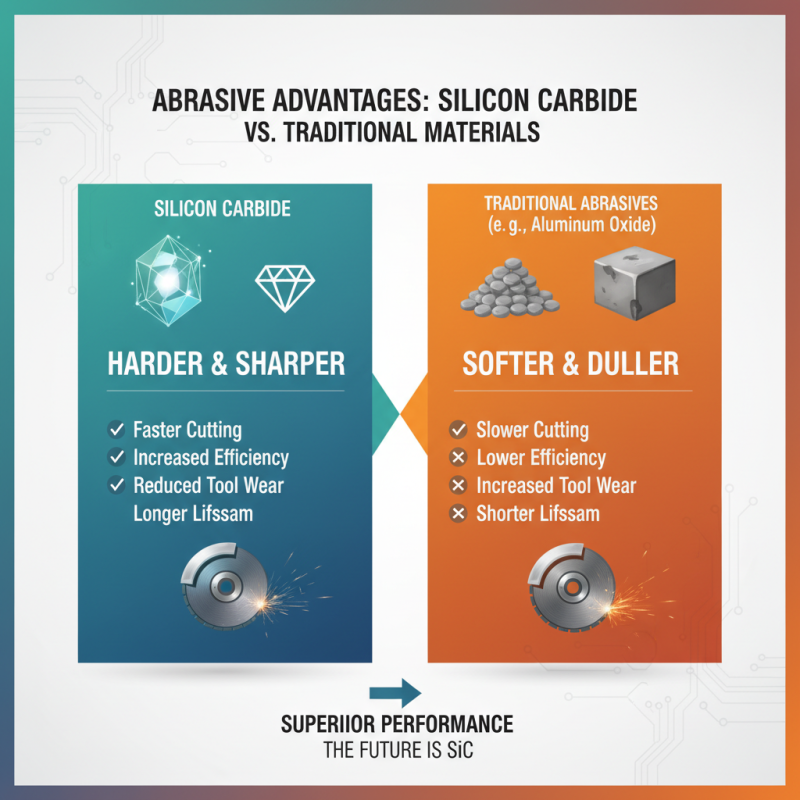
Silicon carbide (SiC) is rapidly becoming a popular choice in the abrasive industry. When comparing silicon carbide with traditional abrasives, several distinct advantages emerge. For example, silicon carbide is much harder and sharper than common abrasives like aluminum oxide. It can cut through materials more efficiently. This means less time spent on tasks and reduced wear on tools.
However, silicon carbide is not without its drawbacks. It can be more brittle than traditional options. This may lead to issues in some applications. Additionally, it may not be cost-effective for all projects, especially smaller ones. The performance gains often depend on specific uses. It's important to assess whether the improved efficiency justifies the higher costs.
Real-world applications showcase these differences vividly. In metal fabrication, silicon carbide abrasive wheels demonstrate a significant reduction in grinding time. Conversely, for softer materials, traditional abrasives might still hold their ground. The choice ultimately lies in understanding project needs and material compatibility. Balancing the long-term benefits with immediate budget constraints is essential for informed decision-making.
Applications of Silicon Carbide in Various Industries
Silicon carbide (SiC) has become a vital material across various industries. Its unique properties, such as high thermal conductivity and exceptional hardness, make it suitable for numerous applications. According to a report by MarketsandMarkets, the silicon carbide market is expected to grow at a CAGR of 20.4% from 2021 to 2026. This growth is driven by increasing demand in the automotive, aerospace, and electronics sectors.
In the automotive industry, silicon carbide is increasingly used in electric vehicles. Its ability to handle high voltage and temperature contributes to better energy efficiency. A study by the International Energy Agency (IEA) shows that the adoption of SiC in EVs can increase their range by up to 20%. In aerospace, SiC components are utilized in turbine engines, enhancing performance and reducing weight. However, challenges remain, such as the high cost of production and the complexity in processing SiC.
The semiconductor sector is another major application area. SiC devices outperform conventional silicon counterparts in terms of efficiency and thermal resistance. Reports indicate that SiC power devices can achieve efficiencies of around 98%, a 5% improvement compared to silicon devices. Yet, the technology is still evolving, requiring further research to tackle scalability and manufacturing issues. The balance between performance and cost continues to be a focal point for industries considering silicon carbide solutions.
Why Choose Silicon Carbide Abrasive for Your Projects? - Applications of Silicon Carbide in Various Industries
| Industry |
Application |
Benefits of Silicon Carbide |
| Manufacturing |
Cutting and grinding of metals |
High durability and sharpness |
| Automotive |
Polishing engine components |
Excellent surface finish |
| Construction |
Sanding and shaping of materials |
Fast material removal |
| Aerospace |
Machining of lightweight composites |
Resistance to high temperatures |
| Electronics |
Manufacturing semiconductor devices |
High thermal conductivity |
Benefits of Using Silicon Carbide Abrasives in Your Projects
Silicon carbide (SiC) abrasives are increasingly favored in various industrial applications. Their hardness is a significant advantage. With a Mohs hardness of 9, they surpass many other materials. This makes them ideal for grinding and cutting operations. Reports indicate that SiC abrasives can last 50% longer than conventional abrasives. This efficiency translates to lower replacement costs and minimized downtime.
In addition, silicon carbide has excellent thermal and chemical resistance. This allows it to perform well in high-temperature environments. For instance, it maintains its cutting ability even in extreme conditions. According to industry data, using SiC can improve productivity rates by 30% in some applications. However, not all projects might benefit equally. Consider the specific requirements of your tasks. Some users report mixed results with SiC on softer materials. This is a point of reflection for choosing the right abrasive for your needs.
Moreover, the environmentally friendly nature of SiC is worth noting. It is often produced from recycled materials. This reduces waste and supports sustainable practices. However, sourcing these abrasives may sometimes involve higher upfront costs. Balancing quality and cost is a challenge. Users should weigh these factors carefully when planning their projects.
Cost-Effectiveness and Longevity of Silicon Carbide Products
Silicon carbide abrasive is a popular choice for various projects due to its exceptional cost-effectiveness and longevity. Unlike traditional abrasives, silicon carbide offers superior hardness and durability. This means it lasts longer, reducing the need for frequent replacements. Over time, this can lead to significant savings in both material and labor costs.
When selecting silicon carbide products, consider the specific application. For fine finishing tasks, select a finer grit for optimal results. For heavy-duty grinding, a coarser grit will be more effective. Testing on scrap material can help you find the perfect balance between aggressiveness and finish quality.
Tip: Always keep safety in mind. Use protective gear while handling abrasives. Inadequate protection can lead to unexpected injuries. Remember, investing in high-quality silicon carbide products pays off in the long run. However, if your project is less demanding, explore alternatives that may serve just as well but at a lower cost. Being mindful of your project's requirements is crucial.
Cost-Effectiveness and Longevity of Silicon Carbide Abrasive Products