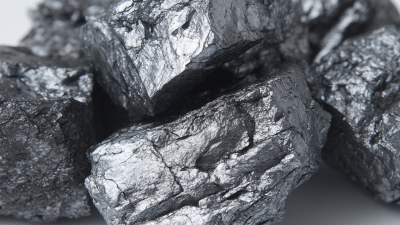
How to Choose Silicon Manganese for Steelmaking?
Choosing Silicon Manganese is not a simple matter of comparing prices or reading the grade printed on a bag. The right material must match the steel’s chemistry, the furnace practice, and the required final properties. A small change in manganese or silicon content can affect alloy additions, slag formation, and process consistency. Moisture, particle size, and packaging matter too. A damp or uneven shipment can complicate handling before the alloy even reaches the ladle.
A useful selection principle is: “Choose the alloy by the chemistry it delivers, not by the label on the bag.” This is proposed wording for a verified Silicon Manganese expert to approve; no source or expert name was provided, so it should not be presented as an authentic quotation. In practice, compare certified composition ranges, review recent test reports, and confirm that the supplier can maintain consistent batches. Ask how the material is sampled and stored. Check whether its size distribution suits your charging method. These are concrete questions, not paperwork for its own sake.
This guide explains how to weigh grade, chemistry, quality control, and supplier reliability when choosing Silicon Manganese for steelmaking. It also considers trade-offs that a specification sheet cannot resolve alone. Price still matters. But the cheapest tonne may cost more if recovery is poor or results vary. Real plant conditions differ, and no single grade fits every operation. That deserves a closer look.
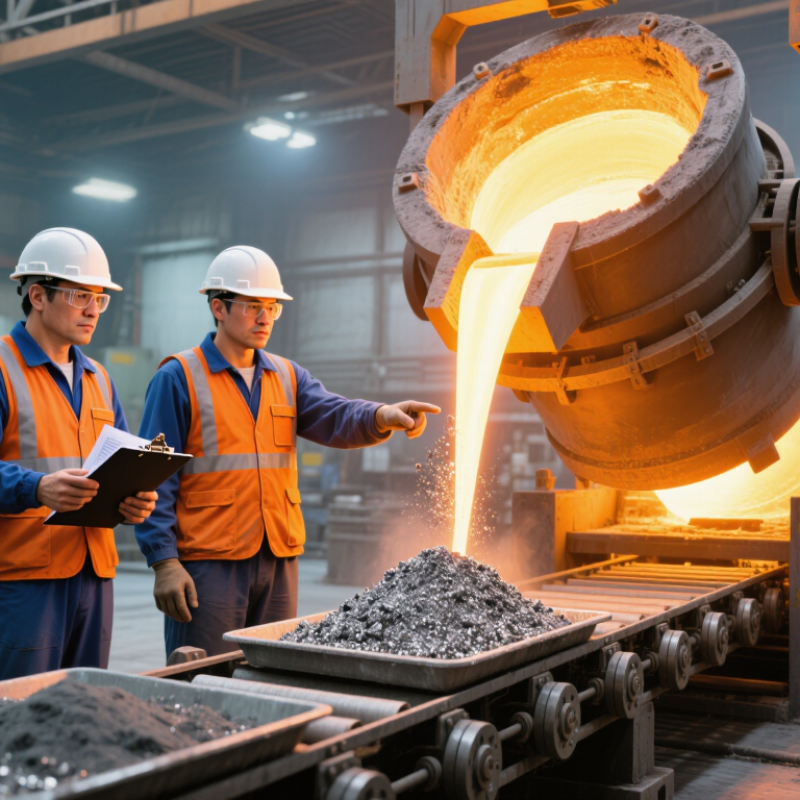
Understand the Role of Silicon Manganese in Steelmaking
Silicon manganese (SiMn) supplies two useful elements in one addition. Manganese helps bind sulfur as manganese sulfide, reducing the risk of hot shortness. Silicon acts as a deoxidizer, helping remove dissolved oxygen from molten steel. The balance matters. Too little may miss the target chemistry; too much can push silicon or manganese beyond the specification.
The scale is substantial: World Steel Association’s World Steel in Figures 2024 reports 1,892.2 million tonnes of crude steel produced worldwide in 2023. The USGS Mineral Commodity Summaries 2024 estimates global manganese mine production at 20 million tonnes of manganese content that year. These figures show the industry’s scale, not a universal SiMn dose. Choose material by its manganese, silicon, carbon, phosphorus, and particle-size limits. Then check the melt’s starting chemistry and the furnace or ladle practice. A dusty, damp, or inconsistent lump can behave differently during addition. Test the recovery in your own process. It is tempting to rely on a standard addition rate, but real melts do not always cooperate. After sampling, adjust against the actual analysis, not the expected one.
Match the Alloy Grade to Steel Composition and Process Requirements
Choosing silicon manganese starts with the steel’s chemistry target, not a familiar grade name.
Check required manganese and silicon levels, the carbon ceiling, and limits for phosphorus or other residuals. A small carbon difference can matter in low-carbon steel. Compare the product assay with the melt specification.
Then consider how the alloy will behave in your process. Furnace temperature, addition timing, slag condition, and particle size can all affect dissolution and recovery. Use actual plant data to estimate the addition; theoretical composition alone may overstate how much manganese or silicon reaches the steel.
Small details matter.
A coarse piece added late may dissolve differently from finer material added during an earlier stage.
Check the certificate for current composition and confirm that the supplied size suits your handling and charging practice. Plant records are not always tidy, and recovery can vary between heats.
That uncertainty deserves attention.
Review recent results, including chemistry samples and alloy consumption, before changing the grade or addition rate. If those records are incomplete, make a cautious trial and verify the finished steel analysis before applying the change broadly.
Compare Silicon, Manganese, Carbon, and Impurity Levels
How to Choose Silicon Manganese for Steelmaking?
Compare Silicon, Manganese, Carbon, and Impurity Levels
Choosing silicon manganese starts with the steel grade’s chemistry limits. Silicon helps remove oxygen from molten steel and contributes to strength. Manganese also supports deoxidation, helps control sulfur effects, and can improve hardenability. Compare the alloy’s stated silicon and manganese percentages with your melt plan, then calculate the addition rate against the furnace charge. A small difference in assay can shift the final composition. Carbon needs equal attention: even modest carbon input may matter in low-carbon grades. Check the supplier’s analysis and confirm how your process accounts for recovery.
Impurities can narrow your options. Review phosphorus and sulfur against the steel specification, and check other reported elements when they matter to the grade. Do not rely on a generic “high purity” label. Compare batch certificates, particle size, and consistency between deliveries. In practice, uneven sizing can affect how quickly material dissolves. Sampling can also miss variation, so one certificate should not be treated as the whole story. That is easy to overlook.
Tips: Match chemistry to the target grade, not just the alloy name. Verify carbon and impurity limits before ordering. Keep a retained sample when testing a new batch. If results differ from expectations, review both the assay and the addition calculation; the cause is not always obvious.
Choose Product Size and Form for Charging and Handling
Silicon manganese should suit the charging route, not just the chemistry specification. Check the size range against the furnace opening, charging bucket, and alloy-mixing process. Consistent lumps can feed more evenly, while very large pieces may slow dissolution. Excess fines can separate during transport or create dusty handling conditions. Small details matter. Request clear limits for undersize and oversize material, rather than relying on a broad size label.
Form affects storage and movement as well. Lump grades are common, while crushed grades or briquettes may be available for particular handling needs. Consider how the material moves through your hoppers and conveyors, and whether bags or bulk delivery fit your site. A size that looks ideal on paper may behave poorly after a long trip; that part is easy to overlook. Compare a representative sample with your actual charging equipment, and check for breakage after normal handling. Keep the specification practical: a narrow size range can help consistency, but it may not suit every furnace or feed system.
How to Choose Silicon Manganese for Steelmaking? - Choose Product Size and Form for Charging and Handling
| Product form |
Indicative size |
Charging suitability |
Handling considerations |
When to choose it |
| Lump, screened |
10–50 mm |
Suitable for manual or mechanical additions to ladles and furnaces, subject to the plant’s charging practice. |
Generally easy to handle with bins, skips, or conveyors. Check the fines fraction after transport and handling. |
A practical option where controlled, relatively uniform pieces are preferred. |
| Lump, coarse |
10–100 mm |
Can suit bulk charging systems that can accommodate a wider size range. |
Larger pieces may segregate from smaller material during transfer; confirm that the charging equipment can handle the maximum size. |
Consider when larger pieces are acceptable and reducing screening or handling steps is useful. |
| Fine material |
Typically below 10 mm; exact grading varies |
Use only where the dosing and charging system is designed for fines; suitability depends on the process and addition point. |
More susceptible to dusting, spillage, and segregation. Keep dry and use appropriate enclosed transfer and dust controls. |
Choose when the plant has a controlled fines-feeding system or a defined use for screened undersize. |
| Briquettes or compacted material |
Shape and dimensions are supplier- and process-specific |
May be used with suitable bulk or metered charging arrangements; confirm compatibility with the plant’s addition method. |
Assess breakage and fines generation during conveying, storage, and transfer. Store under conditions that prevent contamination and moisture exposure. |
Consider when a compacted form fits the handling system and the required size and durability can be specified. |
| Mixed or unscreened lumps |
Variable; specify an agreed size range and limits for undersize and oversize |
Suitable only if the full size distribution is acceptable to the charging equipment and process. |
Variable sizing can affect flow, dosing consistency, and material segregation. Inspect the size distribution at receipt. |
Choose when the process tolerates size variation and the delivered grading is clearly defined. |
Note: Size ranges are indicative commercial gradings, not universal specifications. Confirm the required size distribution, fines and oversize limits, packaging, and charging-system compatibility with the supplier and plant operating requirements.
Assess Supplier Quality, Consistency, and Total Cost
How to Choose Silicon Manganese for Steelmaking?
Supplier quality starts with evidence, not a polished quotation. Request recent chemical analyses and check that silicon, manganese, carbon, and phosphorus meet your grade requirements. Ask how each lot is sampled and whether the certificate refers to the delivered material. A certificate is useful, but it cannot replace receiving checks. Compare sample results with an independent laboratory when specifications are critical.
Consistency matters at the furnace. Review several batches, not just one attractive test report. Ask about particle-size ranges, fines, moisture, and packaging, since these can affect handling and addition practice. Small details matter. Record incoming results and compare them with melt performance over time. If chemistry shifts, investigate sampling and process variation before blaming the supplier; the cause is not always obvious.
Assess total cost per usable unit, rather than price per tonne alone. Include freight, unloading, storage, screening losses, and the amount of alloy needed to reach the target chemistry. A cheaper shipment may cost more if it contains excess fines or varies enough to complicate adjustments. Discuss lead times, lot traceability, and a clear process for resolving off-spec deliveries. Not every cost is easy to predict, so review actual consumption and quality data periodically.