2026 How to Choose the Best Silicon Carbide Abrasive for Your Needs?
Choosing the right Silicon Carbide Abrasive can be challenging. Industry experts often emphasize the importance of understanding your unique needs. Dr. Emily Carter, a leading authority in materials science, once stated, "Selecting the right abrasive is critical for achieving optimal results."
Silicon Carbide Abrasives are known for their durability and effectiveness. They are widely used in various applications, from precision grinding to polishing. However, many users overlook key factors such as grit size and bond type. This oversight can lead to subpar performance and wasted resources.
It’s crucial to evaluate your specific requirements. Are you working with hard materials or softer substrates? The choice of Silicon Carbide Abrasive can significantly affect your project's success. Understanding your application will guide you to the best option. This knowledge ensures better results and enhances the efficiency of your processes.
Understanding Silicon Carbide Abrasives and Their Properties
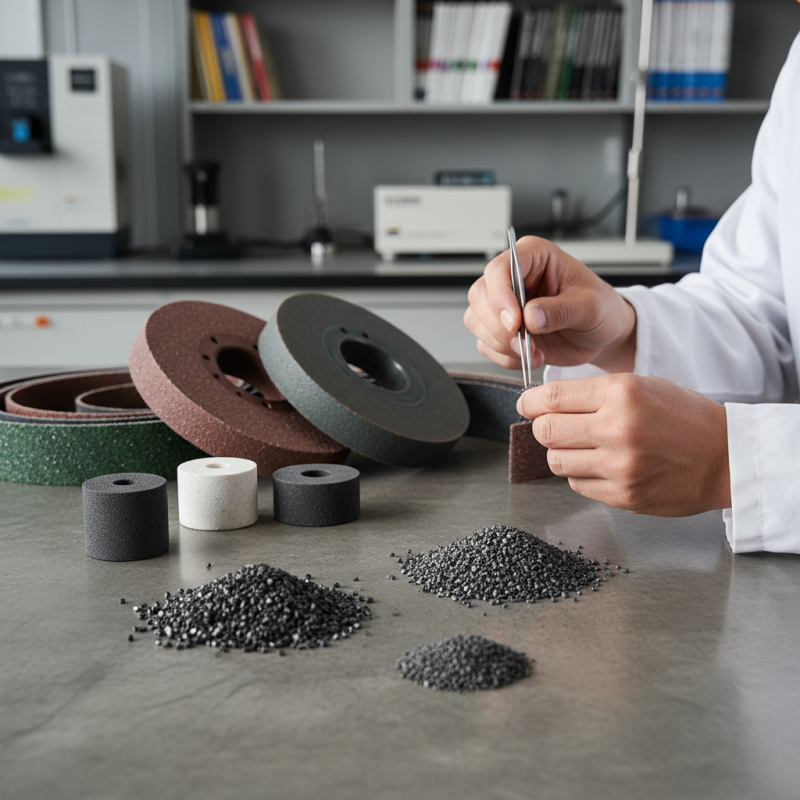
Silicon carbide (SiC) abrasives are known for their hardness and durability. They are made from silicon and carbon, providing exceptional cutting ability on hard materials. This makes them ideal for various applications, from grinding metals to polishing gemstones. According to recent industry reports, SiC abrasives can achieve a hardness level of approximately 9 on the Mohs scale, demonstrating their effectiveness for tough tasks.
When selecting a silicon carbide abrasive, consider its grain size and shape. Finer grains produce smoother finishes but may take longer to remove material. Coarse grains are faster but can leave marks. A study by the Abrasive Products Research Institute suggests that using a mix of grain sizes can yield better results in complex applications. Balancing speed and finish is crucial in choosing the right abrasive for specific needs.
Another key property is the moisture resistance of SiC. During wet applications, this characteristic prevents premature wear and maintains efficiency. However, not all SiC abrasives are created equal. Variations in purity and crystal structure can affect performance. Users often overlook these factors, which may lead to unexpected results. A thoughtful assessment of these properties ensures better performance and longevity in abrasive tools.
Identifying Your Specific Abrasive Needs and Applications
When selecting the right silicon carbide abrasive, understanding your specific needs is crucial. Different applications require unique properties from abrasives, such as hardness, bonding strength, and grit size. For instance, industries like metalworking often demand abrasives with high durability. According to a recent market report, the demand for silicon carbide abrasives is set to grow by 7.9% annually through 2026, highlighting their importance in various sectors.
Consider the material you're working with. Some applications benefit from finer grits, while others need coarser options. The right choice impacts efficiency and finish quality. For example, while silicon carbide offers exceptional performance on hard materials, it may not perform as well on softer substrates. Using the incorrect grit can result in excessive wear and tear on tools, leading to increased costs.
Tips: Always assess the specific conditions of your application. Experiment with different sizes and shapes to find the best match. Gather user feedback to refine your choices further. This approach ensures that you select abrasives tailored to your unique requirements. Analyzing your needs regularly will help adapt to any changing production processes or material types.
Comparing Different Grades of Silicon Carbide Abrasives
When choosing the right silicon carbide abrasives, it’s essential to understand the different grades available. Each grade offers specific properties that suit various applications. For example, finer grades provide a smoother finish, while coarser grades are better for aggressive material removal. Knowing the intended use will guide you in selecting the most suitable grade.
Tips: Consider the material you are working on. Softer materials may require finer abrasives, while harder materials can be tackled with coarser grades. Test a sample before committing to a large quantity. It will help ensure you have the right match for your project.
The importance of grit size cannot be overlooked. A too coarse grade can damage delicate surfaces, leaving unwanted marks. Conversely, using a very fine grade on tough materials may lead to a frustratingly slow process. Reflect on your previous projects; did you encounter issues with grit selection? Evaluating past experiences can sharpen your decision-making for future tasks.
Evaluating Performance Factors and Durability
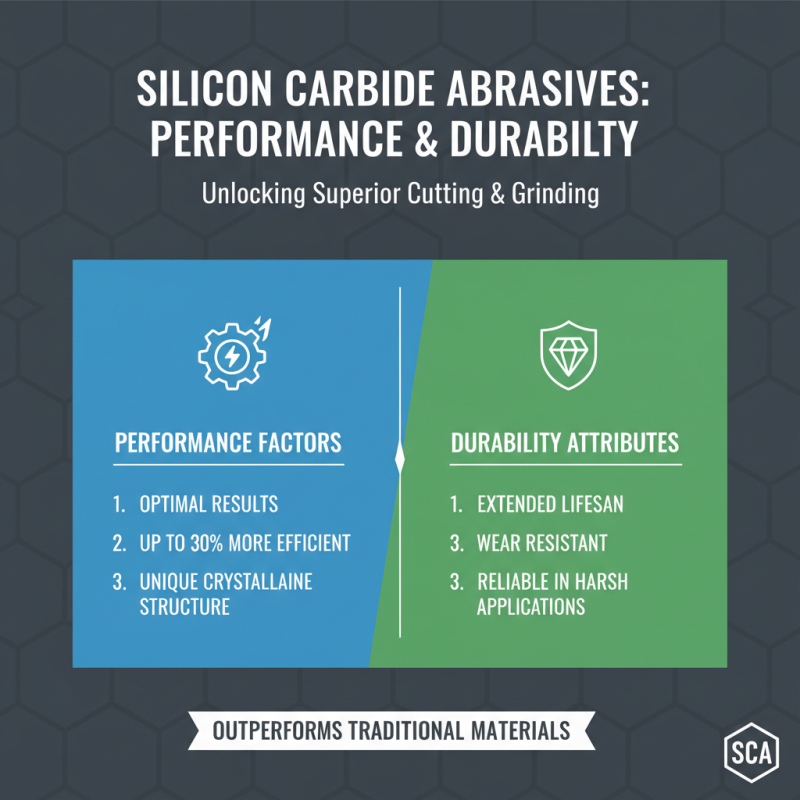
Choosing the right silicon carbide abrasive requires careful evaluation of performance factors and durability. Understanding these attributes ensures optimal results for various applications. According to a recent industry report, silicon carbide abrasives can outperform traditional materials by up to 30% in certain cutting and grinding operations. This increase in efficiency is largely due to their unique crystalline structure.
Durability plays a crucial role in the selection process. Silicon carbide abrasives are known for their high wear resistance, making them suitable for intense applications. The longevity of these abrasives can lead to reduced costs over time. However, a study revealed that not all silicon carbide products maintain consistent durability. Quality can vary significantly among manufacturers, highlighting the need for thorough research.
Performance factors also encompass the grit size and bonding agent used. Smaller grit sizes typically provide a finer finish, while larger sizes are better for aggressive material removal. A balance must be struck between speed and finish quality. As noted in the same industry analysis, selecting the right specifications can enhance productivity by as much as 25%. This data underlines the importance of informed choices in the abrasive selection process.
Making an Informed Purchase Decision for Silicon Carbide Products
When it comes to choosing the right silicon carbide abrasive, making an informed purchase decision is crucial. Silicon carbide is valued for its hardness and sharpness. It is often used in grinding, cutting, and polishing applications. Understanding your specific needs will help you choose effectively.
Consider the grit size carefully. Finer grits are ideal for polishing applications. Coarse grits work well for heavy stock removal. You may need different grits for various tasks. Assessing your project requirements is essential.
Tips: Check the application type before buying. Different materials may require different abrasives. Examine the bond type as it influences performance. A durable bond will offer better longevity. Take your time to read reviews and specifications. This will help avoid common pitfalls. Remember, not all abrasives suit every project equally. Reflect on past mistakes to make better choices in the future.
2026 How to Choose the Best Silicon Carbide Abrasive for Your Needs?
This chart illustrates the performance ratings of various silicon carbide abrasive grit sizes to help you make an informed decision on which abrasive products best meet your needs in 2026.