Top Uses of Ferro Silicon in Industry and Metallurgy?
Ferro Silicon is a crucial alloy in various industries, particularly in metallurgy. Its applications range from steelmaking to the production of silicon-based materials. Recent industry reports indicate that Ferro Silicon demand is projected to grow at a compound annual growth rate (CAGR) of 5.2% from 2023 to 2028. This growth is largely driven by the increasing need for high-quality steel in construction and automotive sectors.
According to Dr. Emily Tran, a leading expert in metallurgical alloys, "Ferro Silicon's unique properties enhance the performance of steel, making it an essential material in modern manufacturing." Her insights reflect a broader consensus among industry analysts that Ferro Silicon not only improves steel's strength but also its resistance to corrosion. The increasing complexity of production processes in metallurgy emphasizes the need for reliable materials.
While Ferro Silicon offers numerous advantages, challenges remain. The sourcing of high-purity Ferro Silicon can be difficult and costly. Moreover, fluctuations in market prices can impact its availability. As industries evolve, understanding the multifaceted role of Ferro Silicon becomes vital. Balancing quality with cost-effectiveness will be key in leveraging its benefits fully.
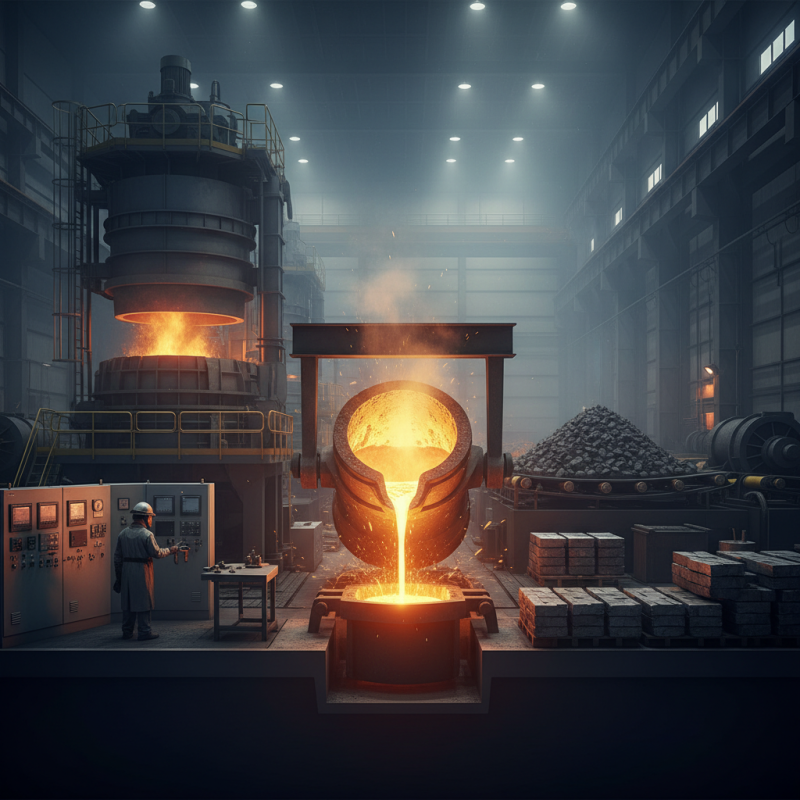
Overview of Ferro Silicon and Its Properties
Ferro silicon is a key alloy in the metallurgy industry. It contains silicon and iron, delivering unique properties that benefit various applications. Ferro silicon enhances strength and stability in iron and steel production. Its low density and excellent deoxidizing capacity make it essential for improving metal quality.
The alloy acts as a powerful reducing agent. This characteristic is crucial in the production of ferroalloys. Ferro silicon can also influence the melting point, enhancing the fluidity of molten metal. It offers resistance to oxidation and increases the durability of final products. Its use in casting processes helps achieve finer grain structures, leading to better mechanical properties.
Despite its advantages, the production process can be unpredictable. Variations in silicon content can affect steel properties. Manufacturers must carefully control this to maintain desired outcomes. Moreover, improper handling and storage may pose risks to quality. Addressing these challenges requires ongoing vigilance and technical expertise.
Key Applications of Ferro Silicon in Steel Production
Ferro silicon plays a critical role in steel production. It is primarily used as a deoxidizer. When added to molten steel, it reacts with oxygen, thereby preventing the formation of oxides. According to industry reports, around 75% of ferro silicon produced globally is used in steel manufacturing.
The presence of ferro silicon enhances the mechanical properties of steel. It improves strength and reduces brittleness. Research indicates that adding just 1% of ferro silicon can boost tensile strength significantly. In addition, its use helps control the silicon content in steel. Optimal silicon levels are crucial for achieving desired qualities in various steel grades.
Despite its benefits, challenges remain in production and application. Ferro silicon can introduce impurities if not monitored carefully. This issue highlights the need for quality assurance in the manufacturing process. The industry's reliance on ferro silicon necessitates responsible sourcing and production practices. These considerations make ongoing research and innovation imperative.
Top Uses of Ferro Silicon in Industry
This bar chart illustrates the key applications of Ferro Silicon in various sectors of industry and metallurgy. The percentages reflect the distribution of Ferro Silicon usage in steel production, cast iron manufacturing, alloys production, welding rods, and as a deoxidizing agent.
Role of Ferro Silicon in Foundry and Casting Processes
Ferro silicon is essential in foundry and casting processes. It enhances the quality of iron and steel products. By adding ferro silicon, manufacturers improve tensile strength and reduce shrinkage. This alloy contains silicon and iron, providing excellent deoxidation during metal production. As a result, the final castings show fewer defects.
The melting point of ferro silicon influences the casting process. High-quality castings require precise temperature control. If the temperature is too low, it can lead to incomplete melting. Conversely, excessive heat may cause oxidation. Striking the right balance is vital. Operators must constantly monitor the conditions.
Tips: Always conduct preliminary tests with ferro silicon in smaller batches. This helps assess its impact on your specific metal mix. Maintaining a clean environment during casting reduces contamination. Review your processes regularly to improve efficiency. Achieving the best results requires a commitment to continuous improvement.
Usage of Ferro Silicon in Ductile Iron Manufacturing
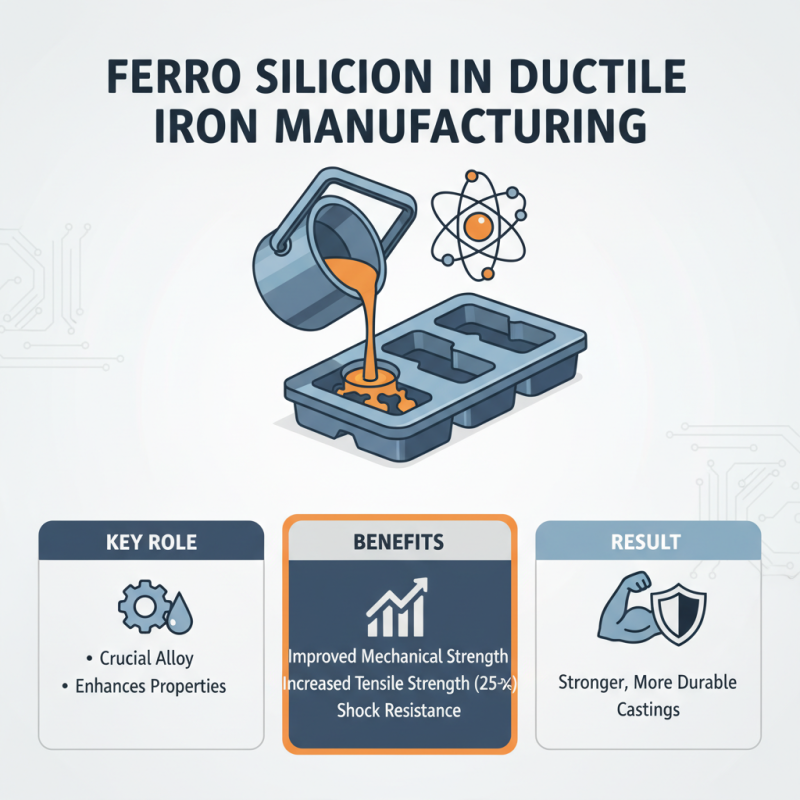
Ferro silicon plays a crucial role in the manufacturing of ductile iron. This alloy is known for its enhanced tensile strength and resistance to shock. The addition of ferro silicon significantly improves the mechanical properties of ductile iron. According to industry reports, incorporating ferro silicon can raise the material's tensile strength by over 25%.
During the ductile iron casting process, ferro silicon acts as a powerful inoculant. It promotes the formation of spheroidal graphite, which strengthens the structure of the iron. Studies indicate that using about 3-4% ferro silicon in the alloy yields optimal results. Despite its advantages, the process requires precise control. Excessive amounts can lead to brittleness. This highlights the need for careful monitoring throughout production.
Additionally, the recycling of ductile iron has gained traction, leading to increased ferro silicon demand. Experts estimate that around 30% of ductile iron is sourced from recycled materials. This practice offers an environmentally friendly alternative, but it may compromise material properties if not managed well. Manufacturers must maintain a balance between quality and sustainability, which can be a challenging endeavor.
Impact of Ferro Silicon on Alloy Properties and Metallurgical Processes
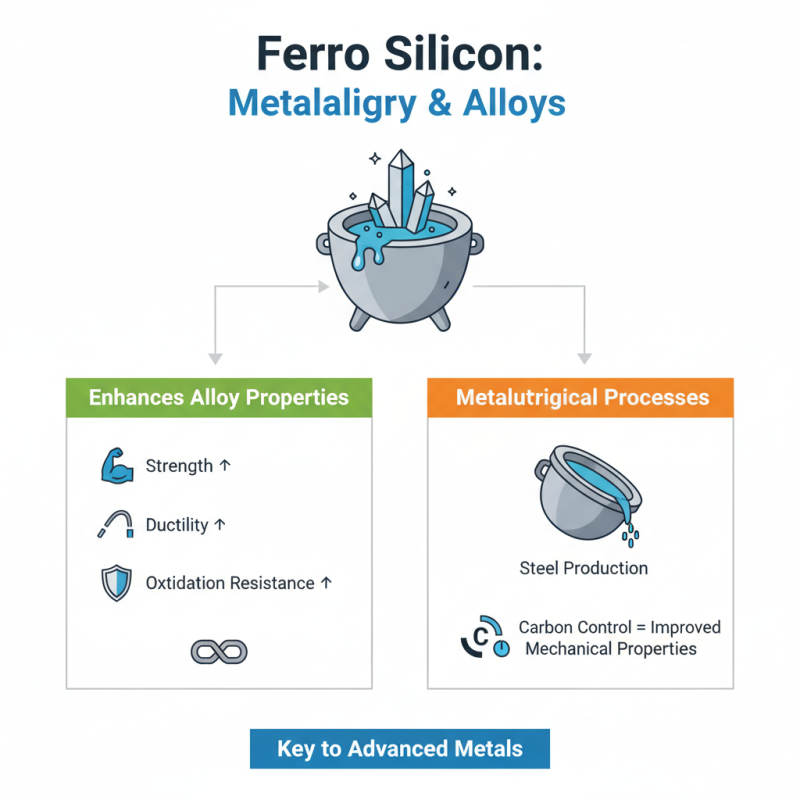
Ferro silicon is crucial in metallurgy and alloy production. Its role in enhancing alloy properties is significant. This ferrosilicon compound improves strength, ductility, and resistance to oxidation in various metals. When added to steel, it helps control carbon content. This control leads to better mechanical properties.
The relationship between ferro silicon and metallurgical processes is quite complex. Ferro silicon aids in the deoxidation of molten metal. This deoxidation is vital to prevent defects in casting. However, too much ferro silicon can lead to brittleness in alloys. Metallurgists must strike a balance.
In some cases, the impact of ferro silicon may not be straightforward. It can affect the fluidity of molten metal. Poor fluidity can result in casting defects. Additionally, the variation in ferro silicon quality can lead to unpredictable results. Understanding these nuances is essential for optimal use.