Why is Industrial Silicon Essential for Modern Technology?
Industrial Silicon plays a critical role in modern technology, serving as a fundamental component in various applications. According to a recent report by MarketsandMarkets, the industrial silicon market is projected to reach $9.8 billion by 2026, highlighting its growing significance. This material is pivotal in manufacturing semiconductors, solar cells, and batteries, all of which are indispensable for our tech-driven lifestyle.
Dr. Emily Chan, a leading expert in the field, states, "Industrial Silicon is the backbone of modern electronics." This underscores its importance in the production of microprocessors and other electronic devices. Industrial Silicon’s versatility allows it to adapt to different technological advancements, yet its supply chain faces challenges. Environmental concerns and mining regulations put pressure on production capacities.
The dependency on Industrial Silicon raises questions about sustainability. How can the industry reduce its carbon footprint while meeting rising demands? Reflecting on these challenges is essential. As technology continues to evolve, the role of Industrial Silicon will undoubtedly expand, but so will the need for responsible sourcing and innovative solutions.

The Role of Industrial Silicon in Semiconductor Manufacturing
Industrial silicon plays a crucial role in semiconductor manufacturing. It is the primary material used to create silicon wafers, the foundation of most electronic devices. These wafers are sliced thinly from larger ingots of silicon, allowing manufacturers to build circuits on their surfaces. The purity of industrial silicon significantly impacts performance and efficiency. Any impurity can lead to failures in the microchips.
The process of turning industrial silicon into pure silicon is complex. It involves refining raw silicon and eliminating contaminants. This intricate procedure often reveals gaps in technology. The production methods are not always efficient, sometimes leading to a high rate of waste. Additionally, sourcing raw silicon can have environmental impacts that companies must navigate.
Moreover, the demand for industrial silicon is steadily increasing. With the rise of smart devices and renewable energy technologies, the need for efficient semiconductors grows. Yet, this escalation poses challenges. Manufacturers must innovate while balancing cost and sustainability. The industry faces pressures to find better production methods. Ensuring quality and efficiency remains an ongoing journey of improvement and reflection.
Applications of Industrial Silicon in Electronics and Solar Energy
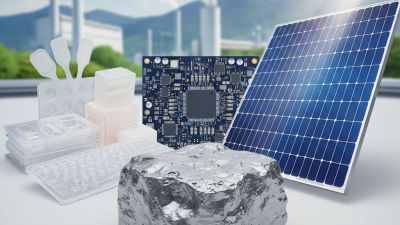
Industrial silicon plays a pivotal role in the electronics and solar energy sectors. It is the primary material used in semiconductor devices. These devices power everything from smartphones to computers. Without industrial silicon, the modern technology we rely on would not exist.
In solar energy, industrial silicon forms the basis for photovoltaic cells. These cells convert sunlight into electricity. The demand for clean energy drives the need for efficient silicon production. However, the extraction and refinement process can be highly energy-intensive. This aspect raises questions about sustainability and environmental impact.
**Tip:** When considering technology purchases, check for energy-efficient options. They often rely more on renewable materials.
Moreover, while industrial silicon is essential, its production emphasizes a significant challenge. The quality of silicon directly affects device performance. Lower-quality silicon can lead to inefficiency in energy conversion for solar panels. Users may not realize how this impacts their electricity bills. A careful balance between quality and cost is vital in production.
**Tip:** Research the energy efficiency of your solar panels. Sometimes, higher upfront costs lead to better long-term savings.
The Importance of Purity and Quality in Industrial Silicon Production
Industrial silicon plays a crucial role in modern technology. Its applications span across various sectors, from electronics to solar energy. However, the purity and quality of industrial silicon are vital for optimal performance. Impurities can significantly affect the efficiency of electronic devices. Even minor contaminants might lead to system malfunctions. This makes the production process both an art and a science.
Quality control is essential during silicon production. Manufacturers must adhere to strict guidelines to ensure high purity levels. This often requires advanced techniques and rigorous testing. Yet, some may overlook the long-term implications of using lower quality materials. The risk of defects or reduced lifespan in technology can lead to costly consequences. It raises a significant question: is it worth compromising quality for immediate gains?
Furthermore, achieving high purity is not an easy task. The challenges of sourcing raw materials can impact overall quality. Inconsistent processing methods may yield different results, causing variations in the final product. Continuous improvement is necessary. Industry players must invest in better technologies and practices to ensure a reliable supply of high-quality silicon. This ongoing journey reflects the complexity of modern technological demands.
Why is Industrial Silicon Essential for Modern Technology?
| Property |
Description |
Importance |
| Purity Level |
Refers to the percentage of silicon content without impurities. |
High purity ensures better conductivity and performance in electronic devices. |
| Crystal Structure |
The arrangement of atoms in the silicon material. |
Affects the electrical properties and efficiency of silicon wafers. |
| Production Method |
Techniques such as metallurgical grade silicon or chemical vapor deposition. |
Impacts the overall quality and suitability for various applications. |
| Applications |
Used in solar cells, semiconductors, and electronic components. |
Essential for the functioning of modern technology including smartphones, computers, and renewable energy systems. |
| Environmental Considerations |
Impact of silicon production on energy consumption and emissions. |
Sustainable production methods are needed to reduce carbon footprint. |
Global Demand and Supply Trends for Industrial Silicon
The global demand for industrial silicon is rapidly increasing. Industries rely on it for a range of applications. From semiconductors to solar panels, silicon’s role is vital. The surge in renewable energy technologies has escalated silicon’s importance. Demand is outpacing supply in many regions.
Supply chains are feeling the pressure. Production capacities of silicon are often limited. Environmental regulations can hinder mining activities. These constraints can lead to price volatility. Countries that produce silicon are often not enough to meet global needs. Many industries face challenges in sourcing adequate silicon.
Innovation is essential for addressing this imbalance. Companies explore new production methods. The adoption of recycling programs is gaining traction. However, the industry still requires significant improvements. Sustainability practices must evolve to keep pace with demand. Addressing these issues will be key for long-term stability in silicon supply.
Future Innovations and Sustainability in Industrial Silicon Usage
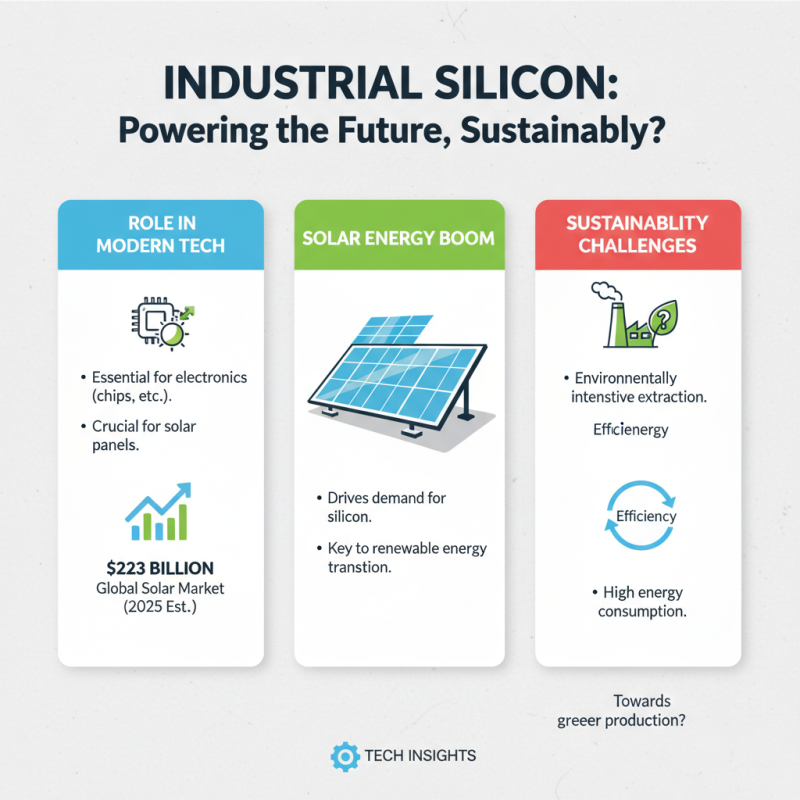
Industrial silicon plays a pivotal role in modern technology. Its use in solar panels is a clear example. By 2025, the global solar energy market is expected to reach $223 billion. This surge demands efficient silicon production. However, the extraction process can be environmentally taxing, leading to questions about sustainability.
Future innovations in industrial silicon usage are addressing these issues. Advances in recycling technologies are emerging. Reports indicate that around 90% of silicon can be reused. This could significantly reduce waste. Additionally, researchers are exploring lower-energy methods of silicon production. Utilizing renewable energy sources could minimize carbon footprints.
Still, challenges remain. The energy-intensive nature of silicon refinement needs to be tackled. Companies are under pressure to adopt eco-friendlier practices. The industry's response is crucial for future growth. With rising consumer awareness, sustainable silicon becomes not just preferable but necessary. The quest for balance between technology and sustainability is ongoing.