Metal Silicon Purchasing Guide Tips for Global Buyers?
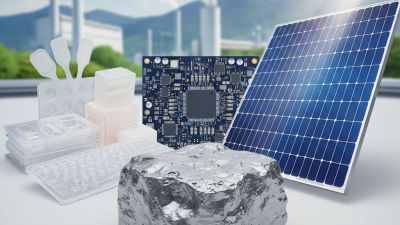
In today's fast-paced market, sourcing the right Metal Silicon can be challenging for global buyers. This essential material plays a pivotal role in various industries, including electronics and silicones. Understanding its specifications and procurement processes is crucial for making informed decisions.
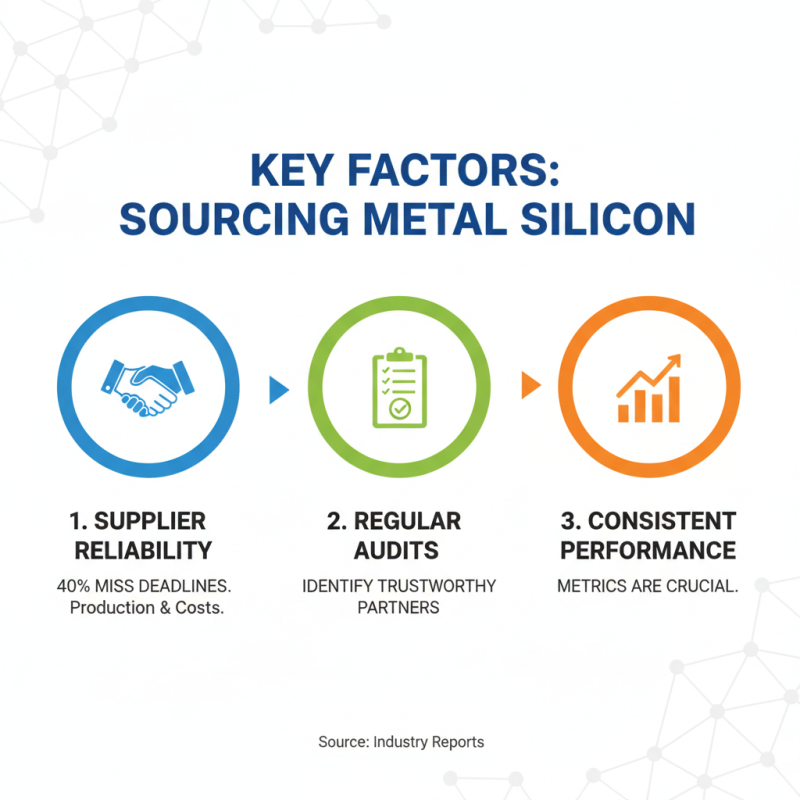
Buyers often face hurdles when assessing suppliers. Not all suppliers offer the same quality or reliability. It's vital to conduct thorough research to ensure you choose reputable vendors with a proven track record. Certifications and quality control processes should be prioritized.
Navigating global trade can be complex, and inconsistencies in regulations can lead to unexpected issues. Buyers must remain vigilant and adapt to changing market conditions. Gaining insights from experienced professionals in the Metal Silicon sector is invaluable. Their knowledge can empower buyers to select the best suppliers confidently.
Understanding the Global Metal Silicon Market Landscape and Trends
The global metal silicon market is evolving. Buyers need to recognize key trends influencing this sector. Metal silicon is crucial in various industries, notably electronics and manufacturing. Understanding production levels is vital. For instance, China dominates the market, contributing significantly to global supply.
Prices fluctuate based on demand and geopolitical factors. Emerging markets may offer new opportunities. However, buyers should remain cautious. Not all suppliers maintain consistent quality. It's essential to assess suppliers thoroughly. Engaging with multiple sources can help in verifying reliability.
Sustainability is becoming an important criterion. More companies focus on environmentally friendly practices. This shift affects purchasing decisions. Global buyers should prioritize partnerships with sustainable suppliers. Yet, there might be trade-offs between price and sustainability. Thus, careful evaluation is necessary to make informed choices.
Metal Silicon Purchasing Guide Tips for Global Buyers
| Region |
Market Size (Million USD) |
Growth Rate (%) |
Main Applications |
Import Tariffs (%) |
| North America |
420 |
5.2 |
Metallurgy, Electronics |
2.5 |
| Europe |
350 |
4.1 |
Solar Panel, Alloys |
3.0 |
| Asia-Pacific |
750 |
6.5 |
Aluminum Alloys, Electronics |
1.8 |
| Latin America |
200 |
3.9 |
Metallurgy, Chemicals |
4.0 |
| Middle East & Africa |
150 |
2.7 |
Construction, Electronics |
5.5 |
Evaluation Criteria for Quality Assurance in Metal Silicon Products
When evaluating metal silicon products, quality assurance is crucial for buyers. Focus on the
purity levels of the silicon. High-purity metal silicon has a low concentration of impurities. Typically, a purity level of
98% or higher is desirable. Impurities can significantly affect performance in various applications. Buyers should test samples before making bulk purchases.
Another important factor is the production process. Understanding how metal silicon is manufactured helps assess reliability. High-quality products often result from advanced production techniques.
Consider certifications that demonstrate adherence to international standards. This can indicate a supplier’s commitment to quality and sustainability.
Price is not the only consideration. Sometimes, lower-cost options may have undisclosed quality issues. Look for
transparency in sourcing and production practices. Seek suppliers who provide detailed documentation. This may include test reports and certificates of analysis.
A reliable supplier should welcome questions about their products and processes. Building a partnership based on quality assurance can yield long-term benefits.
Analyzing Pricing Models and Cost Structures in Metal Silicon Purchasing
When purchasing metal silicon, understanding pricing models and cost structures is essential. Market analysis reveals that price fluctuations often correlate with supply and demand dynamics. A report from the International Silicon Alliance indicates that global pricing trends can be influenced by major silicon producers, which account for nearly 76% of the total market supply.
Buyers should consider multiple factors. Transportation costs can significantly impact overall expenditure. For instance, if shipping rates rise, so will the total cost for procurement. Effective negotiation strategies can also play a role in securing better prices. It’s advisable to conduct thorough market research before finalizing purchases.
Tip: Always assess the supplier’s production capabilities. A trustworthy supplier with a robust production line can ensure stable quality and supply. Additionally, evaluating the transparency of a supplier's cost structure can reveal opportunities for savings. A comprehensive understanding can empower buyers to make informed decisions.
Sustainability Practices in the Metal Silicon Industry: What Buyers Should Know
Sustainability is becoming crucial in the metal silicon industry. Buyers must understand the environmental impact of their purchases. Many suppliers are optimizing their production processes to reduce carbon footprints. This includes using renewable energy sources and minimizing waste.
Awareness of sourcing practices is key. Some mines may use methods that harm local ecosystems. Buyers should inquire about the suppliers’ sustainable practices. Certifications can indicate a commitment to environmental standards. However, not all certifications are equal. It’s essential to research their validity.
Transparency is vital in the supply chain. Buyers should ask for detailed reports on production and sourcing. This helps to ensure that the materials are ethically acquired. It’s important to reflect on the long-term implications of purchases. Every decision contributes to the broader picture of sustainability in the industry.
Metal Silicon Production and Sustainability Practices