How to Use Sic Silicon Carbide for High Performance Applications
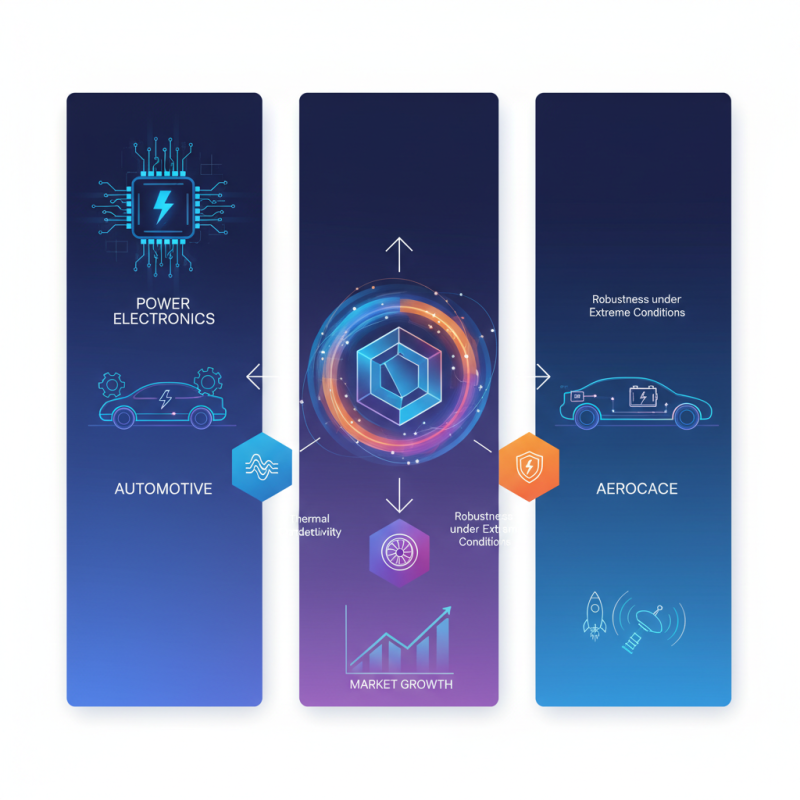
Silicon carbide (SiC) has emerged as a pivotal material in high-performance applications across various industries, particularly in power electronics, automotive, and aerospace sectors. According to a recent report by Research and Markets, the SiC semiconductor market is projected to reach $9.7 billion by 2026, growing at a CAGR of 18.5% from 2021 to 2026. This growth underscores the material's exceptional thermal conductivity, high electric field breakdown strength, and robustness under extreme conditions, making it an ideal choice for next-generation devices and systems.
Leading industry expert Dr. Emily Wang, a renowned figure in semiconductor research, emphasized the transformative capabilities of SiC, stating, "The adoption of Sic Silicon Carbide technology can significantly enhance the efficiency and reliability of power conversion systems, leading to substantial performance gains." As industries increasingly demand more efficient energy solutions and robust components, the integration of Sic Silicon Carbide into high-performance applications continues to rise, demonstrating its key role in advancing technological innovation.
In light of these advancements, understanding how to effectively utilize Sic Silicon Carbide not only highlights its advantages but also informs best practices for its implementation in cutting-edge applications. By harnessing the unique properties of SiC, engineers and researchers can push the boundaries of what is possible in high-performance environments.
Introduction to Silicon Carbide and Its Properties
Silicon carbide (SiC) is a compound semiconductor that has gained significant attention in high-performance applications due to its remarkable properties. With a wide bandgap of around 3.26 eV, SiC exhibits superior thermal stability, high electron mobility, and exceptional breakdown electric fields. These characteristics make it highly suited for applications in aerospace, automotive, and power electronics, allowing devices to operate at higher voltages, temperatures, and frequencies compared to traditional silicon-based devices. According to a report by Frost & Sullivan, the global SiC market is projected to grow at a compound annual growth rate (CAGR) of 17.8% from 2020 to 2025, indicating a robust demand for its capabilities.
Furthermore, SiC's thermal conductivity, approximately 3.0 W/cm·K, is significantly higher than that of silicon, making it advantageous for managing heat in high-power applications. This property allows devices made with SiC to maintain efficiency and prolong their operational life, even under extreme conditions. As highlighted in a report by Yole Développement, the increasing adoption of electric vehicles (EVs) and renewable energy systems is expected to further drive SiC technology, with power modules noted to significantly enhance performance and reliability.
The growing need for efficient energy conversion and reduced power losses makes SiC an essential material in advancing modern electronics and energy systems.
Benefits of Using Silicon Carbide in High Performance Applications
Silicon carbide (SiC) has emerged as a key material for high-performance applications, particularly in power electronics and high-temperature environments. One of the standout benefits of using SiC is its ability to operate at significantly higher voltages and temperatures compared to traditional silicon-based materials. Reports indicate that SiC devices can withstand temperatures up to 600°C, while traditional silicon cannot reliably operate above 150°C. This thermal capability not only enhances the reliability of electronic systems but also allows for more compact designs, reducing the overall size and weight of devices, which is critical in sectors such as aerospace and automotive.
Another significant advantage of silicon carbide is its impressive efficiency in power conversion applications. According to industry studies, SiC devices demonstrate switching losses that are 70% lower than that of their silicon counterparts. This translates into lower energy consumption and improved thermal management in systems that require rapid switching capabilities, such as electric vehicles and renewable energy inverters. The increase in efficiency also supports longer operational lifetimes and decreases the need for complex cooling solutions, making SiC an environmentally friendly choice that aligns well with the growing demand for sustainable technology solutions.
Key Applications of Silicon Carbide in Various Industries
Silicon carbide (SiC) is rapidly becoming a crucial material across various industries due to its exceptional properties, including high thermal conductivity, electric field strength, and resistance to high temperatures. In the automotive industry, SiC is utilized in electric vehicles (EVs) for power electronics and inverters, contributing to significant efficiency improvements and reduced energy losses. The lightweight and robust nature of SiC components allows for longer driving ranges and enhanced performance, making it an indispensable material in the development of sustainable transportation solutions.
In the aerospace and defense sectors, silicon carbide is employed for its exceptional durability and ability to withstand extreme environmental conditions. SiC-based ceramics are used in high-temperature applications such as nozzles, turbine blades, and other components that demand superior mechanical properties and thermal stability. Moreover, the semiconductor industry is also leveraging SiC for high-power and high-frequency devices. The ability to operate at higher voltages and temperatures than traditional silicon makes SiC a preferred choice for power supplies, RF devices, and high-efficiency converters. As the demand for advanced, high-performance applications continues to rise, the versatility of silicon carbide positions it as a vital component across multiple technological landscapes.
Best Practices for Implementing Silicon Carbide Solutions
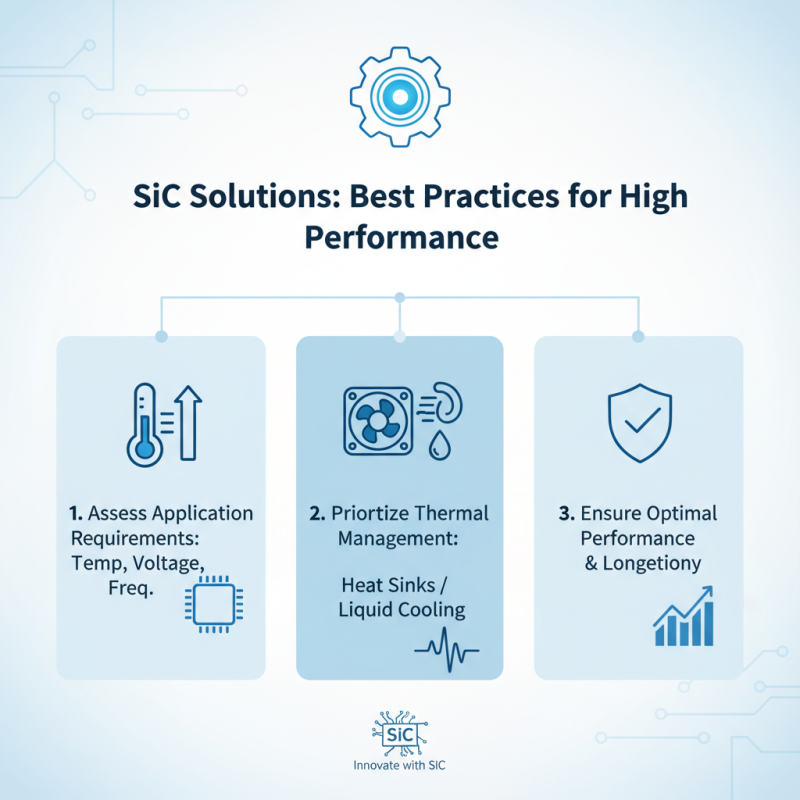
When implementing silicon carbide (SiC) solutions for high-performance applications, adhering to best practices is crucial for optimal performance and longevity. First, it's essential to assess the specific requirements of your application. Conditions such as temperature, voltage, and frequency should be evaluated to determine the suitability of SiC components. Proper thermal management is vital, as SiC devices typically operate at higher temperatures than traditional silicon devices. Utilizing robust cooling solutions, such as heat sinks or liquid cooling systems, can significantly enhance performance and reliability.
Another best practice is to ensure that the design process incorporates the unique characteristics of SiC materials. This includes understanding the switching frequency and the associated electromagnetic interference (EMI) implications. Designing circuits with proper layout techniques can minimize parasitic inductance and capacitance, which are more pronounced in high-frequency applications. Additionally, selecting the right gate drivers that are compatible with SiC devices is essential to achieve efficient operation and control. Training design teams on SiC-specific considerations will further streamline the transition and ensure all components function harmoniously within the application framework.
Future Trends and Innovations in Silicon Carbide Technology
The future of silicon carbide (SiC) technology is poised for significant advancements, driven by its exceptional thermal conductivity, high electric field breakdown strength, and ability to operate at elevated temperatures.
According to a recent report by MarketsandMarkets, the global SiC semiconductor market is projected to reach $3.53 billion by 2025, expanding at a staggering CAGR of 20.9% from 2020. This growth can be attributed to the increasing demand for efficient power conversion in electric vehicles (EVs) and renewable energy systems, where SiC devices offer substantial improvements in efficiency and thermal management compared to traditional silicon-based solutions.
Innovations in SiC technology are also being fueled by the ongoing trend toward miniaturization and the need for lightweight components in various high-performance applications. Research conducted by Yole Développement indicates that SiC market shares in the EV sector could reach up to 40% by the end of this decade, driven by growing investments in the development of advanced manufacturing processes and enhanced material quality.
The adoption of SiC in charging infrastructures and power supplies will further propel its reputation as a cornerstone material in emerging technologies, such as 5G networks and industrial automation, highlighting its versatility and robustness for the future of electronics.