What is Silicon Bronze and Why is it Widely Used?
Silicon Bronze is a unique alloy that combines copper with silicon. This mixture creates a material known for its strength and resistance to corrosion. Industry expert John H. Miller, a metallurgical engineer with over 20 years of experience, states, "Silicon Bronze offers exceptional durability for a variety of applications." This highlights the growing significance of Silicon Bronze in various sectors.
Many manufacturers prefer Silicon Bronze for its excellent welding properties. This alloy is often used in marine applications and architectural projects. Its ability to withstand harsh conditions while maintaining structural integrity is remarkable. However, it's crucial to consider the alloy's cost. Despite its benefits, Silicon Bronze can be more expensive than traditional materials.
The versatility of Silicon Bronze is both a strength and a weakness. It's suitable for many applications but may not be necessary for every project. Users often face challenges in deciding when to choose this alloy. In certain cases, alternatives might be more economical. Engaging experts can help navigate these decisions. Understanding when and where to utilize Silicon Bronze is essential for maximizing its potential.

What is Silicon Bronze? Definition and Composition Overview
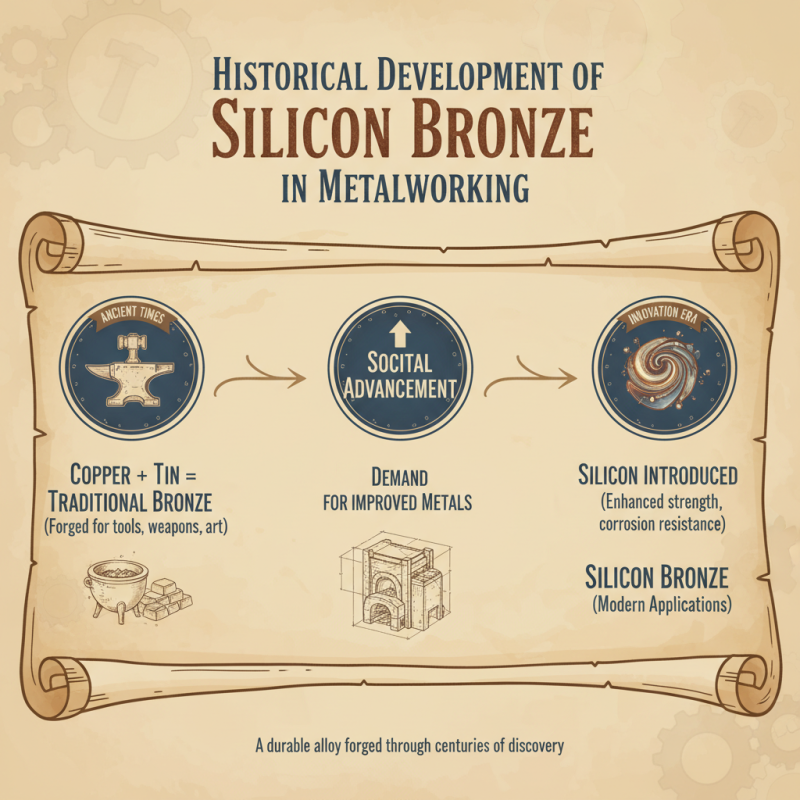
Silicon bronze is an alloy primarily composed of copper, silicon, and a small amount of other metals. This combination gives it unique properties, making it suitable for various applications. The typical composition includes 90% copper and 10% silicon, but variations exist. Silicon enhances the alloy's strength and corrosion resistance. These features are crucial for many industrial uses.
In marine environments, silicon bronze is often preferred due to its resistance to saltwater corrosion. It also displays excellent machinability and weldability. For artisans and engineers, these traits make it a popular choice for shipbuilding and sculptures. However, variations in composition can affect its performance. If not properly managed, this variability can lead to unforeseen issues during application. Balancing the right ratios requires careful attention and expertise.
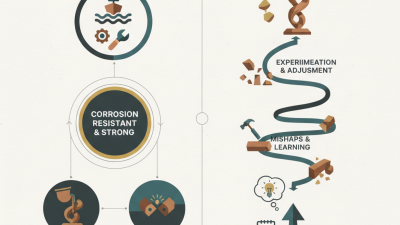
Despite its advantages, silicon bronze is not flawless. The alloy can be more expensive than standard bronze, which may deter some users. Additionally, while its corrosion resistance is notable, it may not be suitable for all chemical environments. Professionals must assess specific conditions before choosing silicon bronze for a project. Hence, understanding its limitations is essential for optimal performance.
Key Properties of Silicon Bronze: Strength, Corrosion Resistance, and Conductivity
Silicon bronze is a popular choice in various industries. Its strength is one of its standout features. This alloy typically contains copper, silicon, and sometimes tin. It offers a tensile strength higher than that of regular bronze. This makes it ideal for applications requiring durability. Engineers often choose silicon bronze for its resilience.
Corrosion resistance is another key property. Silicon bronze is highly resistant to seawater and harsh environments. It does not succumb easily to oxidation. This makes it a preferred material in marine applications. Boat components often utilize silicon bronze due to its longevity. It performs well in conditions that would damage other metals.
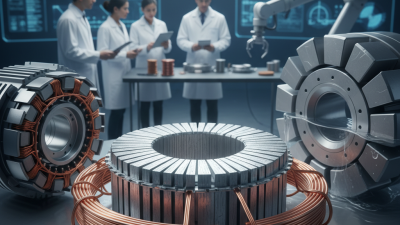
Conductivity is also significant for silicon bronze. Its electrical properties make it suitable for various electrical applications. While its conductivity is lower than pure copper, it still offers reliable performance. However, not all silicon bronze alloys deliver the same level of conductivity. Each alloy may vary, which can affect its use in specific projects. Experimentation and testing can help determine the best fit for a given application.
Applications of Silicon Bronze in Various Industries and Their Demand
Silicon bronze is increasingly sought after across various industries due to its remarkable properties. It boasts excellent corrosion resistance, making it popular in marine applications. According to the Copper Development Association, silicon bronze can withstand harsh environments, ensuring longevity in such conditions. This quality is essential for both shipbuilding and offshore structures.
In construction, silicon bronze is favored for its strength and electrical conductivity. The American Institute of Steel Construction noted a growing demand for silicon bronze fasteners in high-performance buildings. These fasteners offer durability, reducing maintenance costs over time. The automotive and aerospace sectors also utilize silicon bronze for components that require high strength-to-weight ratios.
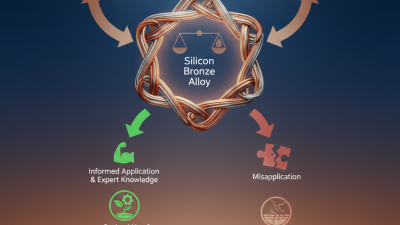
Despite its advantages, challenges exist. The cost of silicon bronze can be higher than other materials, which may deter smaller manufacturers. Furthermore, knowledge regarding its properties and applications is limited among some engineers. Continued education and research are crucial to overcome these hurdles and fully leverage this alloy's potential.
Applications of Silicon Bronze in Various Industries
Market Trends and Future Prospects for Silicon Bronze Utilization
Silicon bronze is an alloy that combines silicon and copper, renowned for its strength and corrosion resistance. As industries evolve, the demand for silicon bronze continues to rise. It is particularly popular in marine applications, architecture, and art. Trends indicate a growing shift toward sustainable materials, and silicon bronze fits this need well. Its durability means less frequent replacements, leading to reduced waste.
Tips: Consider the environmental impact when selecting materials. Silicon bronze's longevity contributes to sustainability.
The future of silicon bronze utilization appears promising. Innovations in manufacturing processes could enhance its properties. With advancements, industries might discover new applications previously overlooked. However, challenges remain. Achieving a consistent quality in production can be complex.
Tips: Always verify the source of your materials. Quality assurance is essential for optimal performance.
Embracing silicon bronze is not without risks. Fluctuating market prices can influence availability. Staying informed is crucial. Continuous research will help identify future trends and applications for silicon bronze in various sectors.