Silicon Bronze Tips for Choosing and Using This Versatile Alloy?
Silicon Bronze is a remarkable alloy known for its versatility. Many industries favor it due to its excellent resistance to corrosion and good strength. Made primarily of copper, silicon, and tin, it serves various applications. Crafting with Silicon Bronze requires specific knowledge and techniques.
When choosing Silicon Bronze, consider its properties. This alloy performs well in marine environments, making it ideal for boat fittings and hardware. However, it's not without challenges. Weldability and cost can sometimes make it less accessible for hobbyists. Understanding these factors is crucial for effective usage.
Using Silicon Bronze can be rewarding, yet it demands skill and care. Beginners might find it tricky, as working with this alloy requires proper techniques. Embracing these challenges makes the learning process valuable. In the end, Silicon Bronze stands out as a compelling choice for many projects.
Understanding Silicon Bronze: Composition and Properties
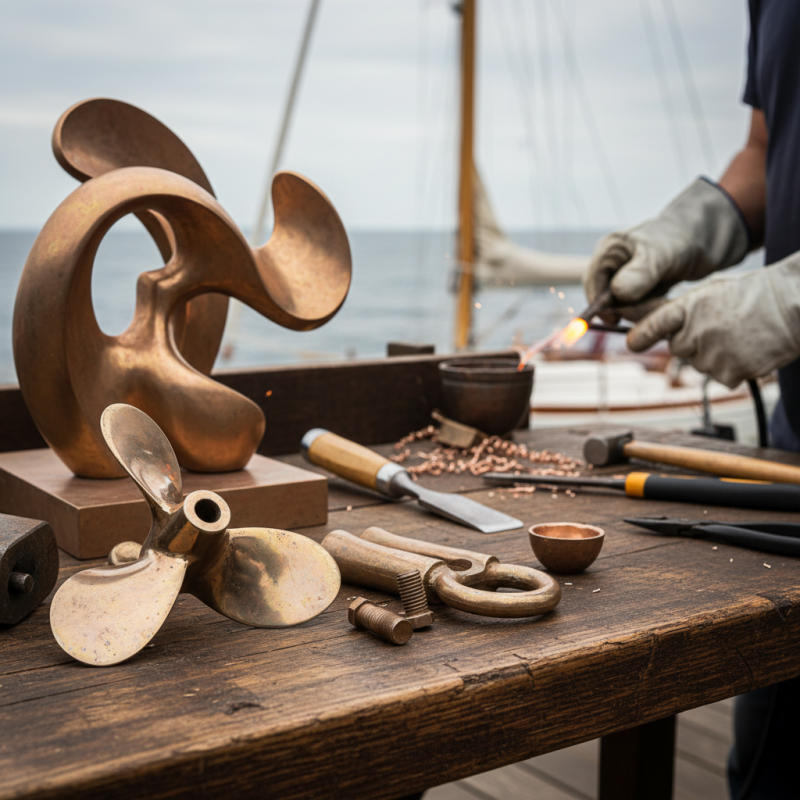
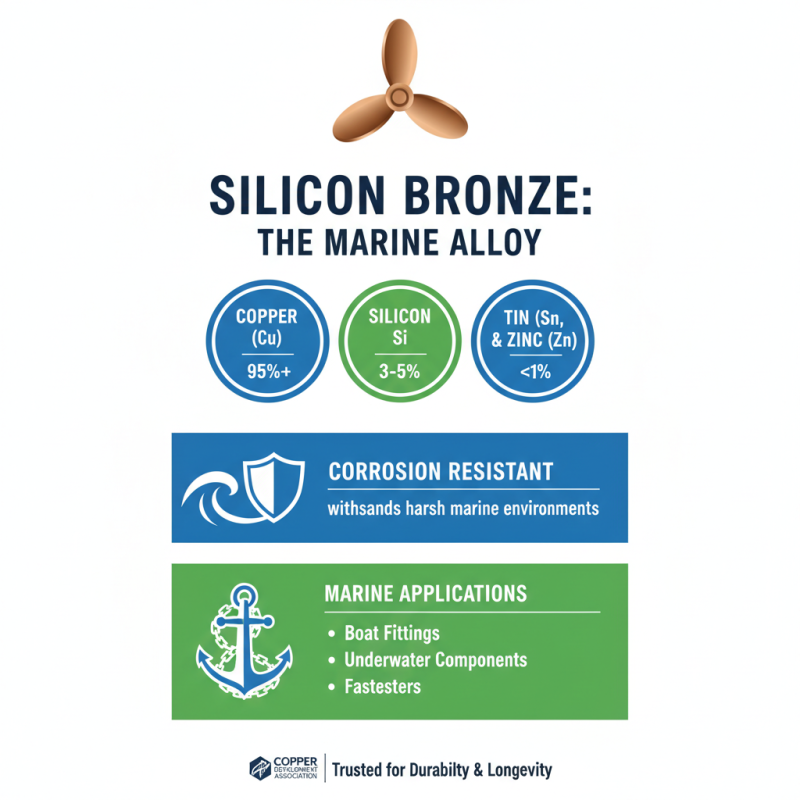
Silicon bronze is a unique alloy that consists primarily of copper, silicon, and varying proportions of tin and zinc. This combination offers notable corrosion resistance, making it ideal for marine applications. According to the Copper Development Association, silicon bronze can withstand harsh environments without significantly degrading over time. This makes it a preferred choice for boat fittings and underwater components.
The mechanical properties of silicon bronze also contribute to its versatility. The alloy exhibits excellent tensile strength and ductility, which allows it to be easily shaped into different forms. As a result, many craftsmen use it extensively in art and sculpture. Reports indicate that silicon bronze can achieve up to 70,000 psi in tensile strength, surpassing many traditional metals like brass.
However, it’s important to note the challenges. The melting point of silicon bronze is relatively high, around 1,740°F (950°C). This can complicate casting processes for some users. Additionally, its cost can be a barrier for larger projects. While silicon bronze holds many advantages, users should weigh these factors carefully before committing to it as their primary material. Ultimately, understanding its composition and properties is key to utilizing this versatile alloy effectively.
Key Benefits of Using Silicon Bronze in Various Applications
Silicon bronze is an exceptional alloy with unique properties. It is primarily composed of copper, silicon, and sometimes small amounts of other elements. This alloy is widely known for its resistance to corrosion and its great strength. Many artisans and manufacturers choose silicon bronze for demanding applications. The material shines in marine environments, as it withstands saltwater exposure exceptionally well.
In addition to its corrosion resistance, silicon bronze offers excellent machinability. It is easy to work with, making it a favored choice for intricate designs. Sculptors appreciate its beauty and performance in outdoor installations. However, working with silicon bronze can be challenging. Proper training in handling is essential to avoid issues during projects.
The alloy’s antimicrobial properties add value in healthcare settings. Many architects and builders select silicon bronze for its durability and aesthetics. However, the alloy's cost can be a hurdle for some smaller projects. Careful budgeting is necessary to ensure the right materials are used without compromising quality. Balancing cost and performance is crucial for every project.
Factors to Consider When Selecting Silicon Bronze Alloys
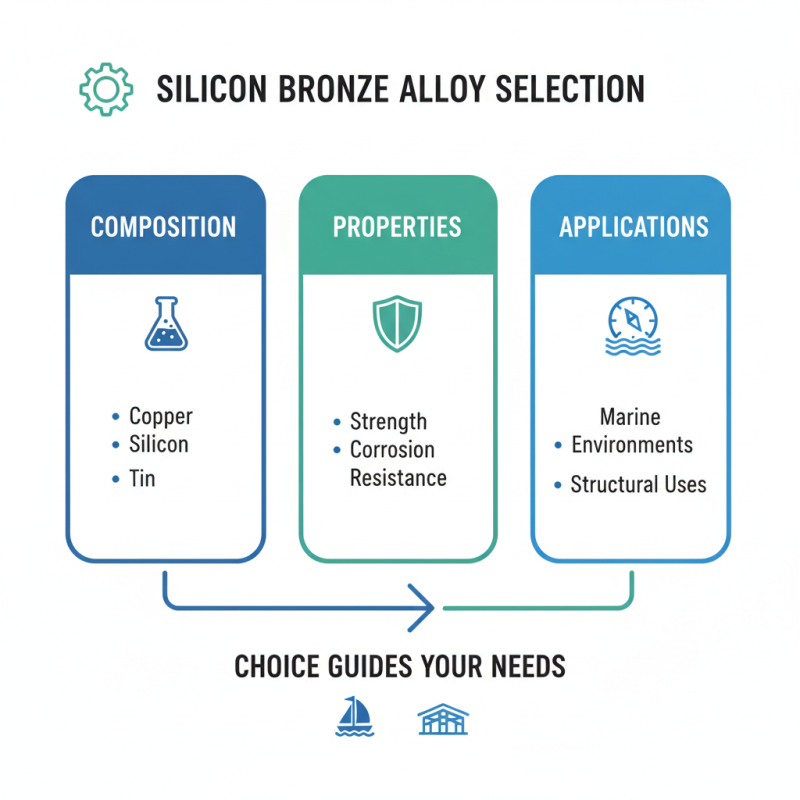
When selecting silicon bronze alloys, several factors should guide your decision. The alloy's composition directly affects its properties. Silicon bronze typically contains copper, silicon, and tin. You need to consider the specific application, such as whether the alloy will be used in marine environments or for structural purposes.
One tip is to evaluate the alloy's corrosion resistance. Silicon bronze is known for its durability and ability to resist corrosion, making it suitable for outdoor applications. Ensure the grade you choose meets the environmental demands. Another consideration is the alloy's machinability. Some grades of silicon bronze are easier to work with than others. You might face challenges in machining if you pick a harder grade.
For welding, ensure compatibility. Not all silicon bronzes are weldable. Your application may require specific welding techniques. Take time to research how your choice reacts to various welding methods. This can save you from future complications. Remember, every project is unique. Personal experience can guide your decisions, but don't overlook the importance of testing samples.
Techniques for Working with Silicon Bronze: Tips and Best Practices
Silicon bronze is known for its unique properties, making it popular among metalworkers. When working with this alloy, it’s crucial to select the right techniques to achieve optimal results. For welding, maintaining a low heat input is essential. Excessive heat can weaken the joint and cause distortion. Ideally, preheating the base metal can prevent this issue. This is backed by a report indicating that 70% of weld failures are due to improper heat management.
While working with silicon bronze, using appropriate filler rods can significantly impact the quality of your work. Selecting rods that match your alloy's composition ensures better bonding. A notable study found that using mismatched fillers can reduce strength by nearly 40%. In addition, practice your welding technique on scrap pieces before tackling your project. This approach allows you to refine your skills and avoid mistakes.
Moreover, always be aware of potential oxidation. Silicon bronze can develop a thin layer of oxidation, affecting adhesion. Regularly cleaning your workpieces can help maintain a strong bond. Some technicians overlook this step, causing frustration during the finishing process. Remember that attention to detail and preparation enhances the final outcome. Working with silicon bronze requires constant adaptation and learning. Embrace the challenges, and you will improve your craft.
Silicon Bronze Tips for Choosing and Using This Versatile Alloy
| Tip/Best Practice |
Description |
Application |
| Select the Right Alloy |
Choose an alloy based on desired strength, corrosion resistance, and electrical conductivity. |
Marine applications, electrical connectors |
| Proper Cleaning |
Ensure surfaces are clean before welding or soldering to avoid contamination. |
Welding and soldering processes |
| Use Appropriate Filler Metal |
Select a filler metal that matches the silicon bronze alloy for best results. |
Joining different metal components |
| Adjust Welding Parameters |
Set welding speed and heat appropriately to avoid warping or melting. |
Fabrication of intricate designs |
| Post-Weld Treatment |
Use pickling or cleaning solutions to remove oxidation from the weld. |
Finalizing welded structures |
Maintenance and Care for Silicon Bronze Products and Structures
Silicon bronze is known for its durability and resistance to corrosion. When it comes to maintenance, regular cleaning is essential. Use a soft cloth and mild soap to remove dirt and grime. This simple practice can extend the life of your silicon bronze items. Rinse thoroughly with water to prevent soap residue. Dried droplets may leave spots; this isn't ideal for aesthetic purposes.
Inspect your silicon bronze structures regularly. Look for signs of wear or corrosion. Even though this alloy is resistant, it’s not invulnerable. Pay attention to areas that may trap moisture. These spots are more likely to corrode over time. Use a gentle abrasive if you notice light tarnishing. This can help restore the shine without damaging the surface.
Storage is another critical aspect. If you keep silicon bronze items in humid environments, consider dehumidifying. Moisture can cause unexpected issues. Also, avoid storing in direct sunlight which may alter the appearance. A simple cloth cover can provide protection against dust and scratches. Reflect on how these small choices can impact the longevity of your silicon bronze possessions.