Why Choose Silicon Carbide Rods for Your Industrial Needs?
Silicon Carbide Rods are increasingly recognized for their unique advantages in various industrial applications. According to a recent report by the Global Silicon Carbide Market Analysis, the demand for these rods is projected to reach $1.94 billion by 2025. Their exceptional thermal conductivity and chemical resistance make them ideal for high-temperature environments. Experts emphasize that these properties significantly enhance the efficiency and durability of industrial processes.
Dr. Emily Chen, a leading expert in advanced materials, noted, "Silicon Carbide Rods are a game-changer for industries looking to optimize performance." This statement reflects the growing reliance on Silicon Carbide Rods to meet the challenges of modern manufacturing and energy sectors. Industries report improved resilience under extreme conditions, which is critical for maintaining operational integrity.
Despite their benefits, some may overlook the importance of high-quality sourcing of Silicon Carbide Rods. Not all suppliers meet the rigorous standards necessary for optimal performance. Potential users should exercise caution and conduct thorough research before making a decision, as poor quality can lead to increased costs and diminished results. The industrial landscape demands reliable solutions, making it essential to reflect on the choices available in the Silicon Carbide market.
Benefits of Silicon Carbide Rods in Industrial Applications
Silicon carbide rods are increasingly popular in industrial applications due to their unique properties. These rods exhibit exceptional thermal stability, making them ideal for high-temperature environments. The ability to withstand extreme heat without deforming ensures longevity and reliability in manufacturing processes. For instance, in the semiconductor industry, these rods play a critical role in various phases of production, from crystal growth to wafer processing.
Moreover, silicon carbide rods possess excellent chemical resistance. They can endure exposure to corrosive materials that would damage other materials, thus enhancing operational efficiency. Their hardness also contributes to superior wear resistance, a significant factor in grinding and cutting applications. Yet, there are challenges. Sourcing high-quality silicon carbide rods can sometimes be tricky. Variability in production can lead to inconsistencies in performance. Users need to ensure they are working with reputable suppliers to avoid potential issues.
Another aspect is the cost. While silicon carbide offers many advantages, the initial investment can be higher compared to other materials. Businesses must weigh these costs against long-term benefits. Understanding the right applications for these rods can lead to significant gains in productivity and cost-effectiveness. Failing to assess application specifics might lead to sub-optimal choices. Therefore, a careful evaluation of needs is critical for maximizing the value of silicon carbide rods in industrial settings.
Benefits of Silicon Carbide Rods in Industrial Applications
Comparative Analysis: Silicon Carbide vs. Other Materials
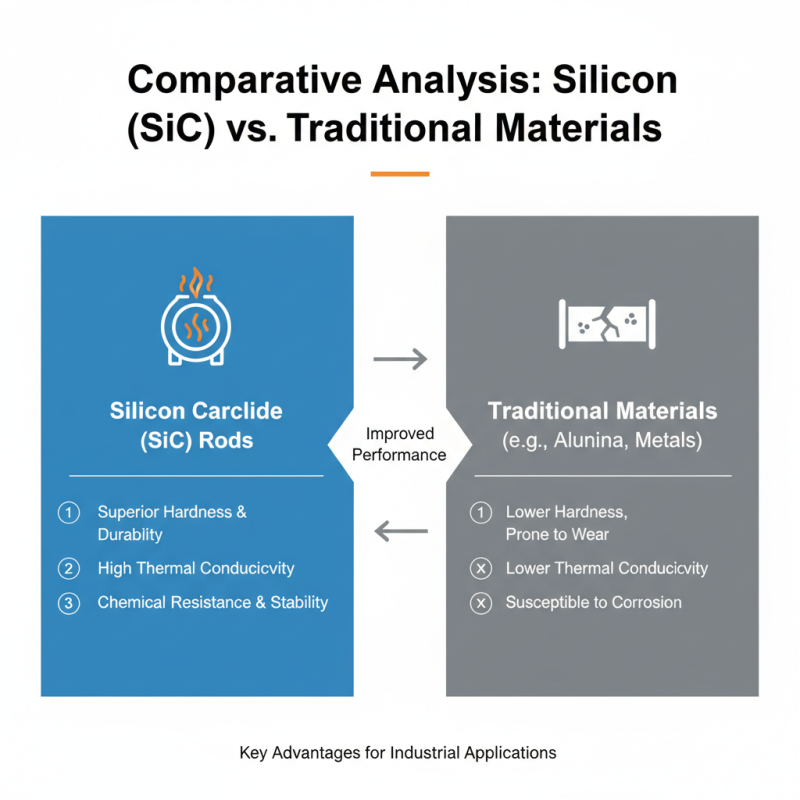
Silicon carbide (SiC) rods have gained popularity in industrial applications. They promise superior performance compared to traditional materials. Understanding their advantages requires a closer look at their properties and benefits.
When comparing silicon carbide to other materials, wear resistance is a standout feature. SiC rods can endure high temperatures and corrosive environments effectively. This resilience is crucial for industries like manufacturing and energy. Meanwhile, conventional materials often show quick signs of wear. Maintenance costs can rise sharply due to frequent replacements.
In terms of thermal conductivity, silicon carbide surpasses many alternatives. It manages heat better, helping to maintain efficiency in operations. However, it's important to consider the initial costs of SiC over metals or ceramics. Some industries may hesitate. Investing in silicon carbide means evaluating long-term savings against higher upfront expenses. These decisions often prompt discussions about budget constraints and overall benefits.
Key Properties of Silicon Carbide Rods for Performance Optimization
Silicon carbide rods are gaining attention in various industries due to their unique properties. They excel in extreme heat and high-pressure environments. This material boasts excellent thermal conductivity, essential for efficient heat dissipation. High resistance to thermal shock is another impressive feature, minimizing the risk of crack formation during rapid temperature changes.
These rods generate less wear over time, leading to longer service life. Their resilience ensures they withstand mechanical stress, making them reliable in demanding applications. However, the brittleness of silicon carbide can be a concern. Proper handling is essential to prevent fractures. Despite these challenges, the benefits often outweigh the drawbacks, opening the door for optimization in performance.
Silicon carbide's electrical properties also stand out. They can handle significant voltage without compromising integrity. This characteristic is crucial in applications like electronics and lighting. Regular assessments are needed to ensure performance remains at peak efficiency. In the long run, investing in silicon carbide rods can lead to enhanced operational reliability across various sectors.
Applications of Silicon Carbide Rods in Various Industries
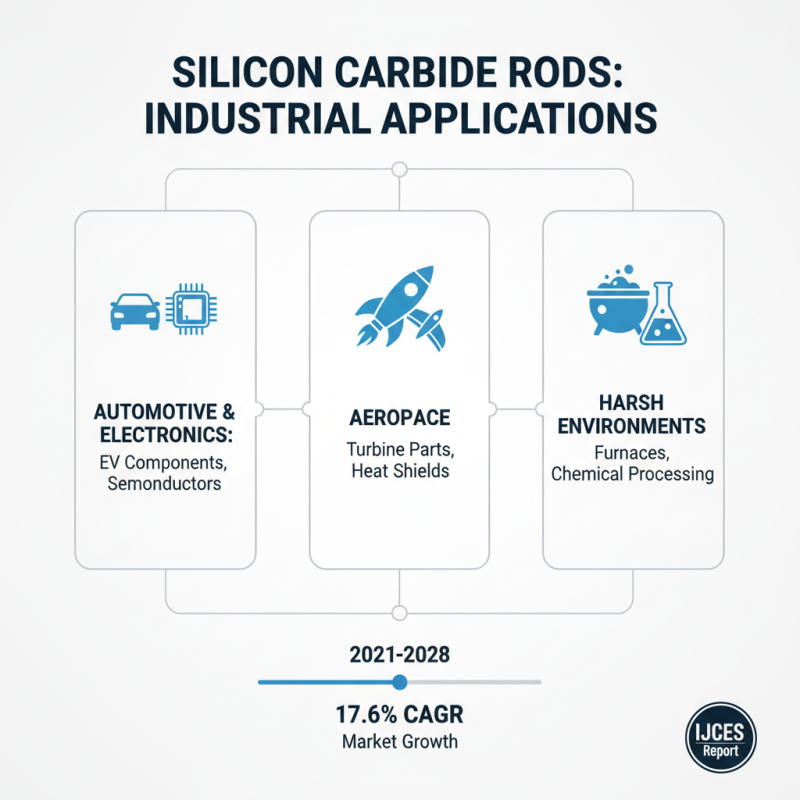
Silicon carbide rods are gaining traction in various industries due to their unique properties. They exhibit high thermal conductivity and excellent chemical resistance, making them ideal for harsh environments. According to a report by the International Journal of Ceramic Engineering and Science, the silicon carbide market is expected to grow at a CAGR of 17.6% from 2021 to 2028. This rapid growth highlights the rising demand in sectors like automotive, aerospace, and electronics.
In the automotive industry, silicon carbide rods are used for thermal management in electric vehicles. They improve the efficiency of battery systems, contributing to longer-lasting performance. The aerospace sector benefits from silicon carbide’s lightweight nature and durability. These rods can withstand extreme temperatures, making them suitable for turbine components.
Tips: Ensure proper installation techniques for optimal performance. Regular maintenance checks can prevent unexpected failures.
Silicon carbide rods also find applications in semiconductor manufacturing. They enhance the durability of equipment used in high-temperature processes. However, it's important to remember that silicon carbide can be more expensive than conventional materials. This cost factor should be weighed against long-term benefits. Companies must assess their specific needs before making a choice.
Cost Implications and Longevity of Using Silicon Carbide Rods
Silicon carbide rods are gaining popularity in various industries due to their impressive cost implications and longevity. These rods are highly durable, withstanding extreme temperatures and wear. This durability translates into reduced replacement costs over time. Industries like metalworking and manufacturing are beginning to embrace this material for its longevity. It's essential to consider initial investment versus long-term savings in operational costs.
On the other hand, while silicon carbide rods can save money in the long run, their initial cost may be higher than other materials. Companies must assess whether the upfront expense fits their budget. Not all applications may benefit equally. Some may find that alternative materials meet their needs without the high cost. Therefore, proper evaluation is crucial to determine the best choice for specific industrial applications.
Ultimately, acknowledging both the benefits and disadvantages of silicon carbide rods is vital. Understanding their performance in real-world applications can help in making informed decisions. Users should weigh potential savings against the financial constraints of their operations. Balancing these factors can lead to better resource management in the long term.
Why Choose Silicon Carbide Rods for Your Industrial Needs? - Cost Implications and Longevity of Using Silicon Carbide Rods
| Property |
Silicon Carbide Rods |
Traditional Materials |
| Thermal Conductivity |
120-200 W/mK |
10-50 W/mK |
| Operating Temperature |
Up to 1600°C |
Up to 1000°C |
| Mechanical Strength |
High |
Moderate |
| Cost per Unit |
$50 - $100 |
$20 - $40 |
| Longevity |
15-20 years |
5-10 years |
| Corrosion Resistance |
Excellent |
Poor |