What is Silicon Carbide Semiconductor and Its Benefits?
Silicon Carbide Semiconductor technology is revolutionizing various industries. Dr. Emily Zhang, a leader in semiconductor research, notes, “Silicon Carbide is a game changer for energy efficiency.” This compound offers remarkable performance in high-temperature and high-voltage applications.
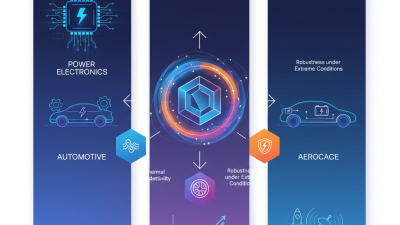
Silicon Carbide Semiconductors excel in electric vehicles and renewable energy systems. Their ability to withstand extreme conditions makes them ideal for modern technologies. Industry experts highlight their efficiency in power conversion, leading to significant energy savings. However, the cost and manufacturing challenges remain areas for reflection.
Despite their advantages, Silicon Carbide Semiconductors face hurdles. The market is still developing, and not all applications have transitioned smoothly. Understanding these complexities is key for stakeholders. Adopting Silicon Carbide Semiconductors requires careful consideration of both benefits and limitations.

What is Silicon Carbide Semiconductor?
Silicon carbide (SiC) semiconductors are gaining traction in various industries. They stand out due to their wide bandgap, enabling higher efficiency in power electronics. This characteristic allows devices to operate at higher temperatures and voltages compared to traditional silicon. Reports from leading market research firms indicate that the SiC semiconductor market is expected to grow at a compound annual growth rate (CAGR) of over 20% by 2027.
The efficiency of SiC devices can lead to significant energy savings. For instance, they can operate with lower switching losses in power converters. This results in less heat generation, which translates into smaller cooling systems and reduced material costs. However, the production of SiC is still somewhat complex, and challenges remain in terms of manufacturing scale and cost.
Furthermore, various applications are adopting SiC technology, notably in electric vehicles (EVs) and renewable energy systems. According to industry reports, SiC components can boost the range and performance of EVs. They also enhance the efficiency of solar inverters. Yet, as the market expands, the industry must address concerns regarding quality consistency and supply chain stability. Overall, the future looks promising, but reflection on these challenges is crucial for sustained growth.
The Composition and Structure of Silicon Carbide
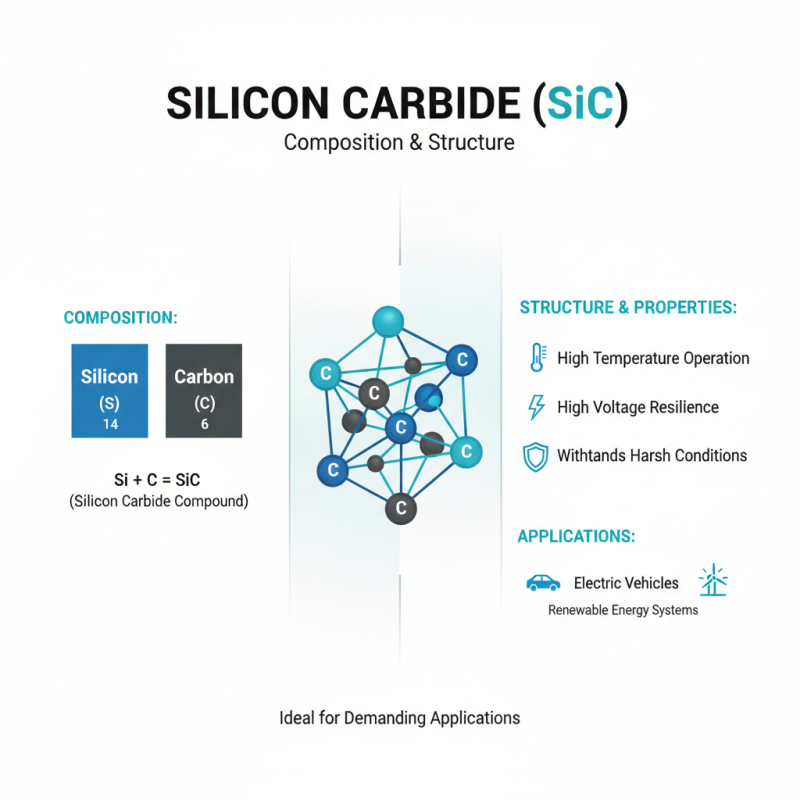
Silicon carbide (SiC) is a compound made of silicon and carbon. Its unique structure gives it exceptional properties. SiC semiconductors can operate at high temperatures and voltages. This makes them ideal for demanding applications like electric vehicles and renewable energy systems. Their ability to withstand harsh conditions is impressive.
The structure of silicon carbide is crystal-based, giving it robustness. The most common forms are 4H-SiC and 6H-SiC, each with distinct advantages. These variations influence how the material performs in electronic applications. The arrangement of silicon and carbon creates a strong bond, enhancing thermal conductivity. This is crucial for efficient heat dissipation.
Tips: When exploring SiC, consider its thermal properties. High thermal conductivity can improve device performance. However, not all SiC types suit every application. It’s essential to research and choose the right form for your needs. Additionally, while SiC offers many benefits, its manufacturing process can be complex and costly. Weigh these factors before making a decision.
Key Advantages of Silicon Carbide Semiconductors
Silicon carbide (SiC) semiconductors are revolutionizing the electronics industry. They excel in high-temperature and high-voltage applications. The unique properties of SiC allow devices to operate efficiently in harsh conditions. This translates to enhanced performance in electric vehicles and renewable energy systems.
One of the key advantages of silicon carbide semiconductors is their high thermal conductivity. This feature enables efficient heat dissipation. Consequently, devices tend to maintain optimal performance levels. Also, SiC semiconductors have a wider bandgap than traditional silicon. This means they can handle higher voltages and frequencies. Users can thus enjoy faster and more responsive electronic systems.
Tips: When considering SiC semiconductors, assess your application's specific needs. Higher efficiency may come with a cost. Also, not all applications require the robustness of SiC. Evaluate whether the benefits outweigh potential downsides. Some may find their implementation challenging or potentially costly at first glance. Understanding these nuances is essential for effective decision-making.
Applications of Silicon Carbide in Modern Technology
Silicon carbide (SiC) semiconductors are increasingly popular in various industries. These materials excel in demanding environments. They can handle high voltages, temperatures, and frequencies. This makes them ideal for power electronics.
In electric vehicles, SiC improves efficiency. It reduces energy loss during power conversion. This results in longer battery life and driving range. Furthermore, they are key in renewable energy applications. Solar inverters benefit from SiC as it enhances performance.
Tips: For those thinking about SiC adoption, consider your specific application needs. Understand the thermal management requirements. Efficient cooling systems are crucial to maximize SiC benefits. In high-frequency devices, select interconnects carefully to avoid performance issues. Balancing cost and benefit is essential for successful integration.
Applications of Silicon Carbide in Modern Technology
Comparative Analysis with Traditional Silicon Semiconductors
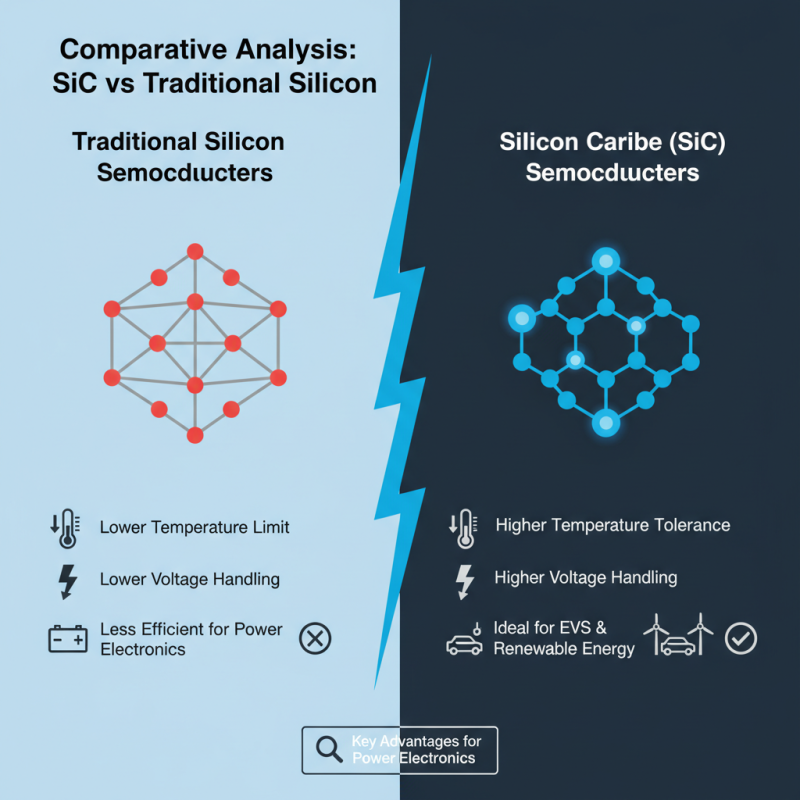
Silicon carbide (SiC) semiconductors are increasingly gaining attention. They differ significantly from traditional silicon. SiC manages higher temperatures and voltages more efficiently. This capability makes it ideal for electric vehicles and renewable energy systems.
When we compare SiC to silicon, the differences are striking. SiC devices can handle six times the electric field of silicon. This leads to smaller and lighter designs. Devices become more efficient as energy losses decrease. However, SiC can be more expensive to produce. This might deter some manufacturers.
Reliability is key when investing in semiconductors. While SiC offers many advantages, challenges remain. The material's hardness complicates manufacturing processes. Engineers must invest time in refining techniques. Thus, while the future looks promising, barriers still exist.