Top Uses of Silicon Carbide in Modern Technology?
Silicon Carbide (SiC) is revolutionizing modern technology. Dr. Emily Carter, an expert in semiconductor materials, says, “Silicon Carbide is the future of efficient power conversion.” This statement highlights the importance of SiC in various industries.
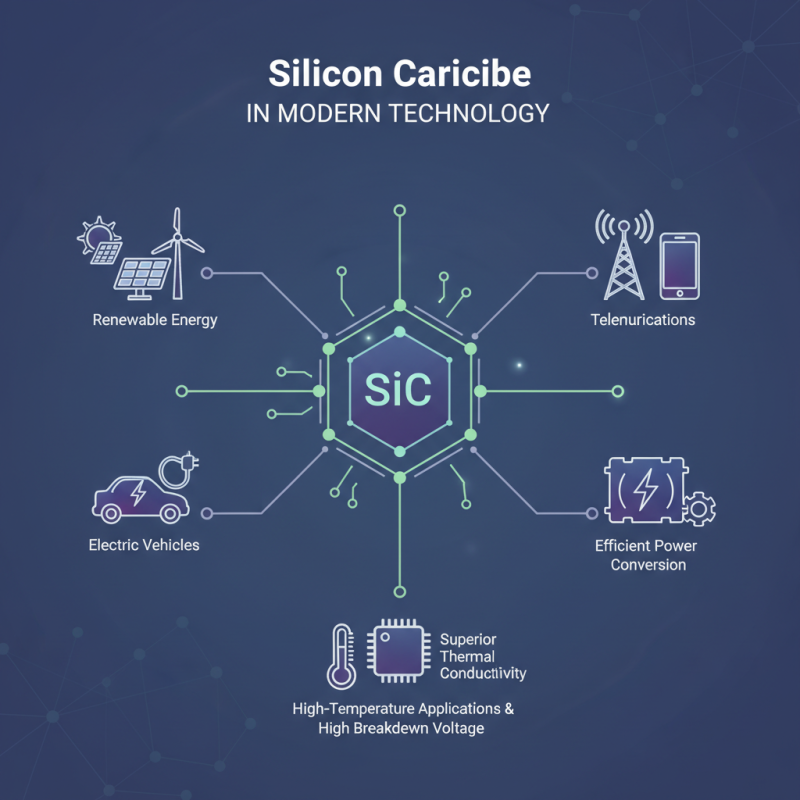
Silicon Carbide’s unique properties make it ideal for high-temperature applications. It offers superior thermal conductivity and high breakdown voltage. These features pave the way for advancements in electric vehicles, renewable energy, and telecommunications. However, the adoption of Silicon Carbide comes with challenges. The manufacturing process can be complex and costly.
Industries must consider the trade-offs. While Silicon Carbide enables better performance, the initial investment can be significant. Still, as technology progresses, these obstacles may become more manageable. The growing interest in SiC technology reflects its potential to transform the landscape of electronics.
Top Uses of Silicon Carbide in Modern Technology
Silicon carbide (SiC) is pivotal in modern technology due to its remarkable properties. This compound semiconductor exhibits exceptional thermal conductivity and high electric field strength. Its applications span diverse sectors, significantly impacting energy efficiency. According to a recent report, the SiC market is projected to reach $2.4 billion by 2025. This highlights a growing demand driven by its superior performance in various electronic devices.
In the automotive industry, SiC components improve the efficiency of electric vehicles. These devices enable faster charging and reduced energy loss, enhancing overall performance. A study revealed that SiC power electronics can increase EV power efficiency by over 10%. This technology promotes sustainability by supporting the shift toward cleaner transportation options. However, challenges in manufacturing scale and costs still exist.
The renewable energy sector also benefits from SiC technology. Solar inverters utilizing SiC can boost energy conversion rates significantly. Data suggests these inverters can achieve efficiencies of up to 98%. Nevertheless, the integration of SiC into existing systems raises questions about long-term reliability and compatibility. Overcoming these challenges is essential for wider adoption in both automotive and energy applications.
The Role of Silicon Carbide in Power Electronics and Energy Conversion
Silicon carbide (SiC) plays a crucial role in modern power electronics and energy conversion. Its unique properties enable devices to operate at higher temperatures and voltages, enhancing efficiency in energy systems and reducing losses during conversion processes. With the growing demand for green technologies, SiC is becoming essential in renewable energy applications, facilitating smoother integration of solar and wind power into the grid.
In power electronics, SiC transistors are game-changers. They switch faster than traditional silicon-based devices, allowing for smaller, lighter systems. These benefits are vital for electric vehicles and industrial applications. However, challenges remain. The manufacturing process for SiC devices can be complex and costly. Many are exploring ways to streamline production while maintaining quality.
Energy conversion systems benefit from SiC’s ability to handle high-frequency operation. These systems can become more compact and efficient. Despite its advantages, not all applications are suitable for SiC. Careful consideration is required to assess whether the benefits outweigh the costs. Continuous research is necessary to expand its applications and overcome existing hurdles. Ultimately, the future of silicon carbide in power electronics remains promising yet requires more exploration.
Applications of Silicon Carbide in Electric Vehicles and Charging Stations
Silicon carbide has become pivotal in the realm of electric vehicles (EVs) and charging stations. Its properties enhance efficiency and thermal conductivity. This material is much more thermally stable than silicon. As a result, it can handle higher voltages and temperatures. This boost enables faster charging times, which is crucial for busy drivers. The demand for quick charging is high, yet current systems sometimes fall short.
In EVs, silicon carbide improves power electronics. It allows for lighter, more compact devices. Manufacturers can integrate silicon carbide into inverters and converters, which increases overall performance. Many instances show significant efficiency gains in electric drivetrains. However, adapting existing systems to utilize silicon carbide can be challenging. This transition requires careful planning and investment.
Charging stations are also benefiting from this material. Silicon carbide enhances the charging process, making it more efficient. Fast chargers can operate without overheating, but not all designs maximize this potential. Some stations still rely on outdated components. This raises questions about future advancements in infrastructure. With ongoing research, we may uncover newer ways to fully exploit silicon carbide in this industry.
Advantages of Silicon Carbide in High-Temperature and High-Power Devices
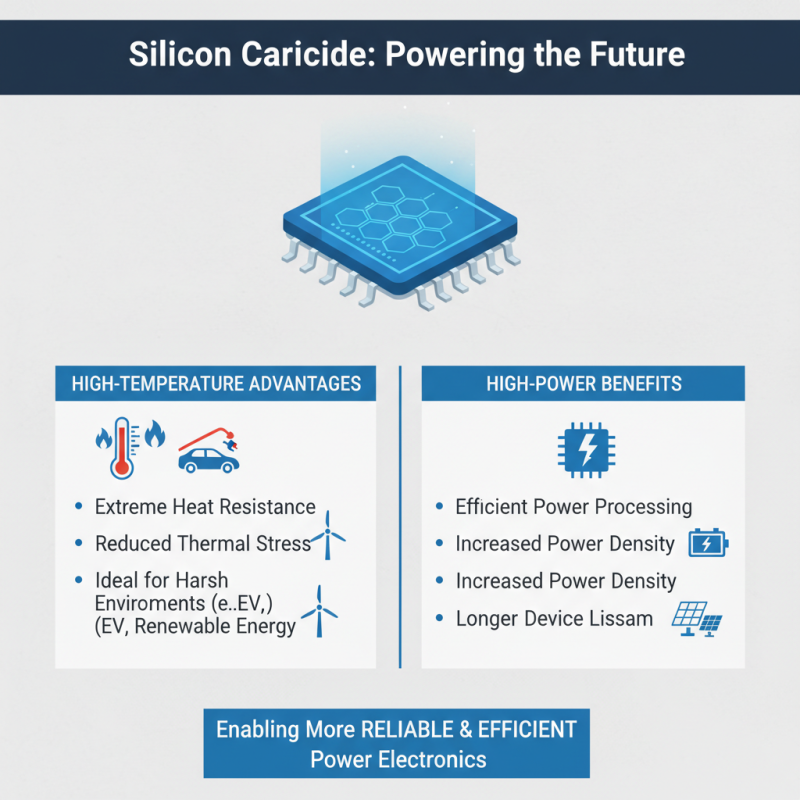
Silicon carbide (SiC) is a powerful material. Its use in high-temperature and high-power devices is becoming more common. SiC can withstand extreme heat. This makes it ideal for applications in electric vehicles and renewable energy systems. For instance, power electronics can operate efficiently at higher temperatures. These systems experience less thermal stress and have longer lifespans.
One of the most significant advantages of SiC is its high thermal conductivity. This property helps in heat dissipation, essential for electronic devices. Many engineers appreciate this feature, but it isn’t without challenges. Manufacturing SiC components often requires precise techniques. Any small error can lead to device failure. Additionally, while SiC devices are efficient, their cost remains higher than traditional alternatives.
Despite these issues, the benefits of using silicon carbide are clear. It allows for lightweight designs and better performance. However, the transition to SiC technology is slower than expected. There is still a need for more research and development to overcome the barriers. Balancing performance and cost remains a key point for many industries.
Silicon Carbide’s Impact on Renewable Energy Solutions and Solar Cells
Silicon carbide plays a crucial role in renewable energy. It enhances the efficiency of solar cells. By utilizing silicon carbide, the energy conversion rate improves significantly. This material allows for better heat management. Solar panels can operate at higher temperatures without losing performance.
In addition, silicon carbide is more durable than traditional materials. It withstands harsh weather conditions. This resilience is vital for solar installations in diverse environments. It contributes to longer lifespans for solar technologies, reducing waste over time.
**Tips:** When choosing solar panels, consider those incorporating silicon carbide. Analyze the performance specifications. Look for models with higher efficiency ratings. Understanding the material used can lead to informed decisions. Enhanced performance lowers energy costs in the long run.
Top Uses of Silicon Carbide in Modern Technology
This chart showcases the distribution of Silicon Carbide applications across different sectors such as Power Electronics, Renewable Energy, Electric Vehicles, Solar Inverters, and Lighting Solutions. The noticeable impact of Silicon Carbide in these areas highlights its importance in advancing modern technologies, particularly in enhancing efficiency and performance in renewable energy solutions.
Conclusion
Silicon Carbide (SiC) has emerged as a critical material in modern technology, particularly in the fields of power electronics and energy conversion. Its exceptional properties enable efficient performance in high-temperature and high-power devices, making it a preferred choice for applications in electric vehicles and charging stations. The advantages of Silicon Carbide, such as reduced energy losses and increased thermal conductivity, contribute significantly to the advancement of renewable energy solutions, including solar energy systems.
As the demand for more efficient and sustainable technology continues to grow, Silicon Carbide is projected to play a pivotal role in the semiconductor industry. The future trends indicate a robust increase in SiC adoption, driven by the need for improved performance and environmental sustainability in various applications. This positions Silicon Carbide at the forefront of innovation, highlighting its importance in shaping next-generation technologies.