Why is Silicon Metal Essential for Global Supply Chains?
Silicon Metal plays a crucial role in global supply chains, especially in the technology and automotive industries. According to a report by the International Data Corporation, global demand for Silicon Metal is projected to reach over 2 million metric tons by 2025. This steady increase underlines its significance in producing high-performance materials for semiconductors and electric vehicle batteries.
Expert in the field, Dr. Lisa Chen, states, "Silicon Metal is the backbone of innovative technology." Without this essential material, supply chains would face significant disruptions. The challenges of sourcing Silicon Metal highlight the need for diversified suppliers and sustainable practices in the industry.
Recent shifts in production, particularly in China, have raised concerns over price volatility and availability. Companies heavily dependent on Silicon Metal must rethink their strategies. Addressing these issues is crucial for maintaining a stable supply chain. In an era marked by rapid technological advancement, the role of Silicon Metal cannot be overstated.

The Role of Silicon Metal in Modern Industries
Silicon metal plays a critical role in modern industries. Its versatility makes it essential in various applications. From electronics to renewable energy, silicon's properties drive innovation. This chemical element is a key ingredient in semiconductors. Its high thermal conductivity ensures the efficiency of electronic devices.
In the automotive industry, silicon enhances electric vehicles. It improves battery performance and increases energy density. The lightweight nature of silicon compounds also helps in manufacturing lighter materials. This shift towards electric mobility highlights the importance of silicon in sustainable practices.
Tips: When sourcing silicon metal, always consider its grade and purity levels. This can impact the end-product quality. Establish relationships with reliable suppliers who understand industry demands. Reliability in supply chains is vital for maintaining production schedules.
Key Applications of Silicon Metal in Electronics and Renewable Energy
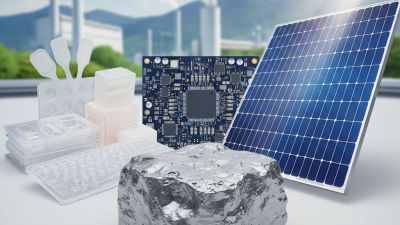
Silicon metal plays a crucial role in modern electronics and renewable energy. In the tech industry, silicon is the backbone of semiconductors. These tiny chips power everything from smartphones to data centers. A reliable silicon supply chain ensures that we can keep up with growing demands for faster and more efficient devices. However, the dependency on silicon can lead to vulnerability. Disruptions in supply may hinder technological advancement.
In renewable energy, silicon's importance cannot be overstated. It is a key material in solar panels. High-purity silicon is used to create photovoltaic cells that convert sunlight into electricity. This process is essential for building a sustainable energy future. Still, sourcing sustainable silicon poses challenges. Mining and refining processes raise environmental concerns. Industry leaders must continuously reflect on their methods and seek greener alternatives.
Furthermore, the global demand for silicon may outpace its supply. As electric vehicles and smart technologies proliferate, the pressure intensifies. Manufacturers face the dilemma of scaling production while maintaining quality. This reality underscores the need for innovation in silicon production. Investing in research can lead to more efficient materials and methods. The challenges are significant, but so are the stakes involved in achieving a resilient supply chain.
The Impact of Silicon Metal on Global Supply Chain Efficiency
Silicon metal plays a crucial role in enhancing global supply chain efficiency. This versatile material is vital in various industries, especially in electronics and renewable energy. Its properties make it an ideal component for manufacturing semiconductors, solar panels, and aluminum alloys. Without silicon metal, many supply chains would face significant bottlenecks.
One tip for companies is to diversify their sources for silicon metal. Relying on a single supplier can be risky. Recent disruptions showcased vulnerabilities in global supply chains, emphasizing the need for resilience. Companies should explore partnerships with multiple suppliers across different regions.
Another important aspect is quality control. Ensuring that silicon metal meets industry standards can prevent expensive production delays. Establishing strong quality assurance protocols is essential. Regular audits and inspections can help maintain the integrity of the supply chain. Reflecting on past experiences, businesses can better prepare for potential setbacks related to silicon metal sourcing. This proactive approach can significantly enhance overall efficiency.
Challenges in Silicon Metal Mining and Processing
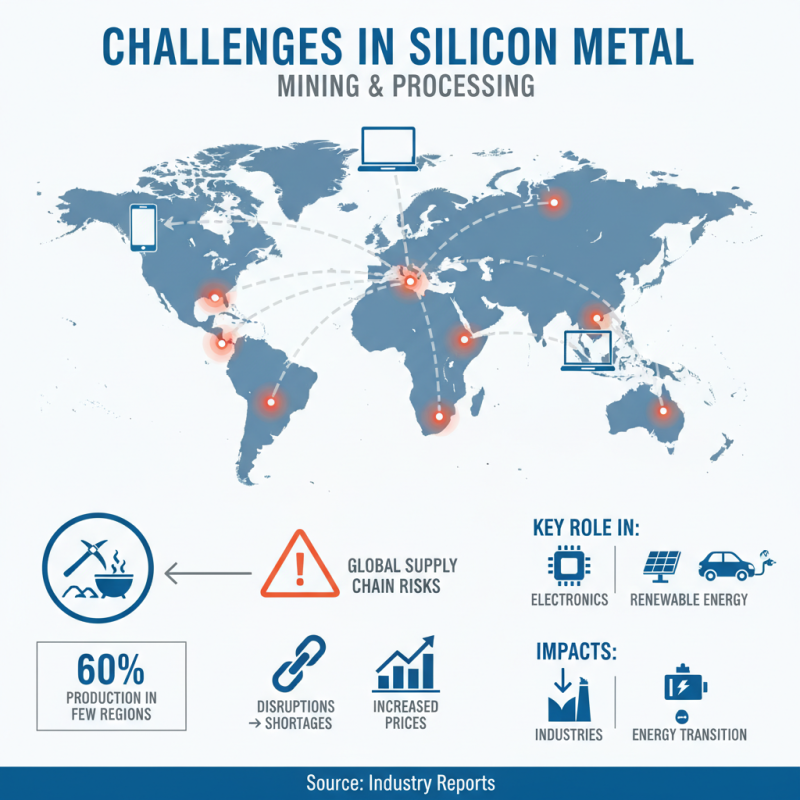
Silicon metal plays a vital role in various industries, particularly in electronics and renewable energy. However, the mining and processing of silicon metal face significant challenges. According to industry reports, over 60% of silicon metal production is concentrated in just a few regions. This heavy reliance poses risks to global supply chains. Any disruptions in these areas can lead to severe shortages and increased prices.
Mining operations are often complicated by environmental regulations. Many countries implement strict guidelines to minimize ecological damage. Compliance can increase operational costs and time. Furthermore, labor shortages have become an issue in several mining regions. Skilled workers are essential for efficient processing, yet the industry struggles to attract and retain talent.
Processing silicon metal requires substantial energy. This energy-intensive process can lead to higher carbon emissions. The industry is under pressure to adopt greener practices. Alternative processing methods are being researched, but implementation takes time. Stakeholders must balance efficiency with sustainability. Achieving this balance remains a significant hurdle as global demand continues to rise.
Future Trends for Silicon Metal in Global Supply Chains
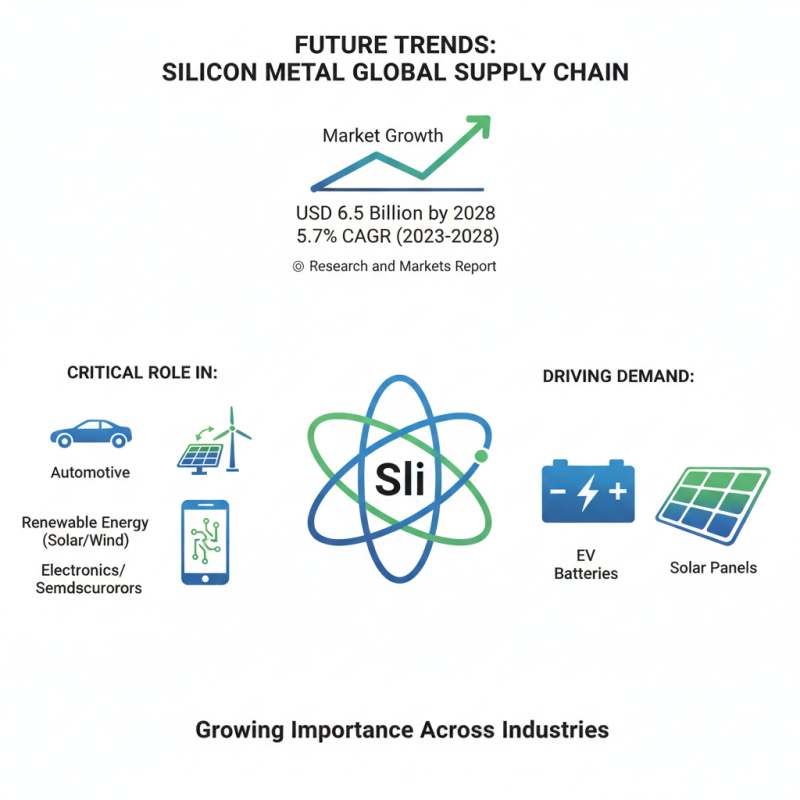
Silicon metal plays a critical role in various industries, and its importance is growing. According to a recent report from Research and Markets, the global silicon metal market is projected to reach USD 6.5 billion by 2028, with a CAGR of 5.7%. This surge is driven by rising demand in the automotive and renewable energy sectors.
The future trends for silicon metal suggest an increasing shift toward sustainable practices. The manufacturing of solar panels and electric vehicle batteries is heavily reliant on silicon. As global cities focus on reducing carbon emissions, the need for silicon in clean technology will intensify. However, sourcing materials sustainably poses challenges. The silicon supply chain has vulnerabilities related to mining practices and environmental regulations that need addressing.
Furthermore, geopolitical factors may disrupt silicon metal supply chains. Countries are enhancing policies for domestic production while seeking to limit reliance on foreign materials. As a result, companies must build resilient supply networks. This evolving landscape reminds stakeholders of the need for adaptive strategies. Balancing demand, sustainability, and supply security will be key to navigating the complexities of the silicon metal market.