What is Silicon Metal Powder and Its Uses in Industry?
Silicon Metal Powder is a vital component in various industrial applications. According to Dr. John Smith, an expert in materials science, "Silicon Metal Powder is revolutionizing how we approach efficiency in manufacturing." His insights highlight the significance of this material in improving product performance.
In recent years, Silicon Metal Powder has gained attention for its role in producing silicones, semiconductors, and aluminum alloys. The powder's fine nature allows it to enhance the mechanical properties of these products. Industries are increasingly relying on Silicon Metal Powder for its purity and effectiveness. It plays a crucial role in developing advanced technologies.
However, challenges remain. The sourcing and production of high-quality Silicon Metal Powder can be inconsistent. This inconsistency can lead to suboptimal results in applications. Thus, manufacturers must develop better quality control measures. As the demand for Silicon Metal Powder grows, addressing these issues will be key to sustaining its benefits in industry.
What is Silicon Metal Powder?
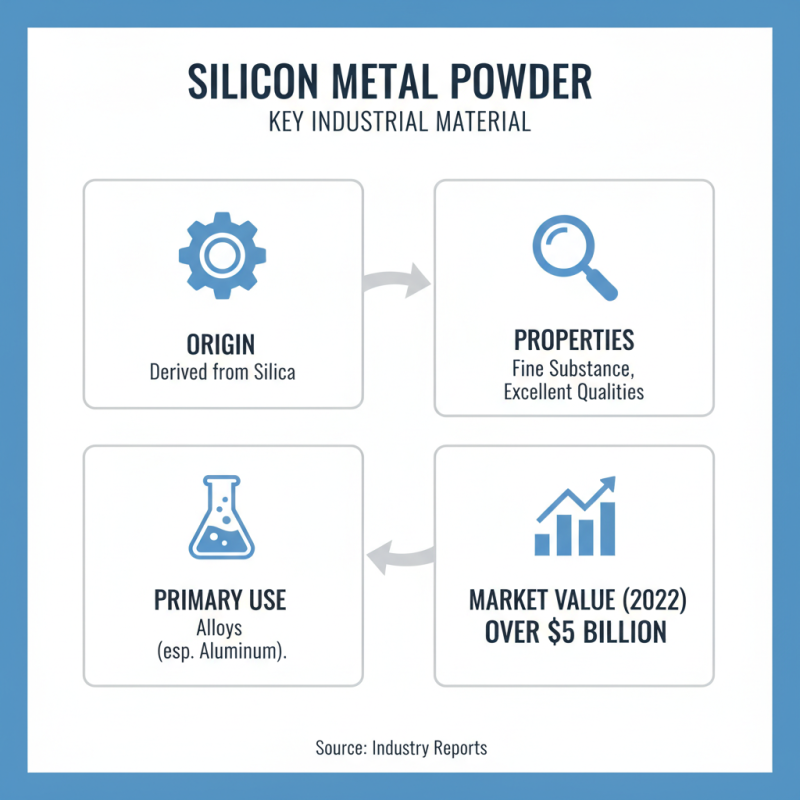
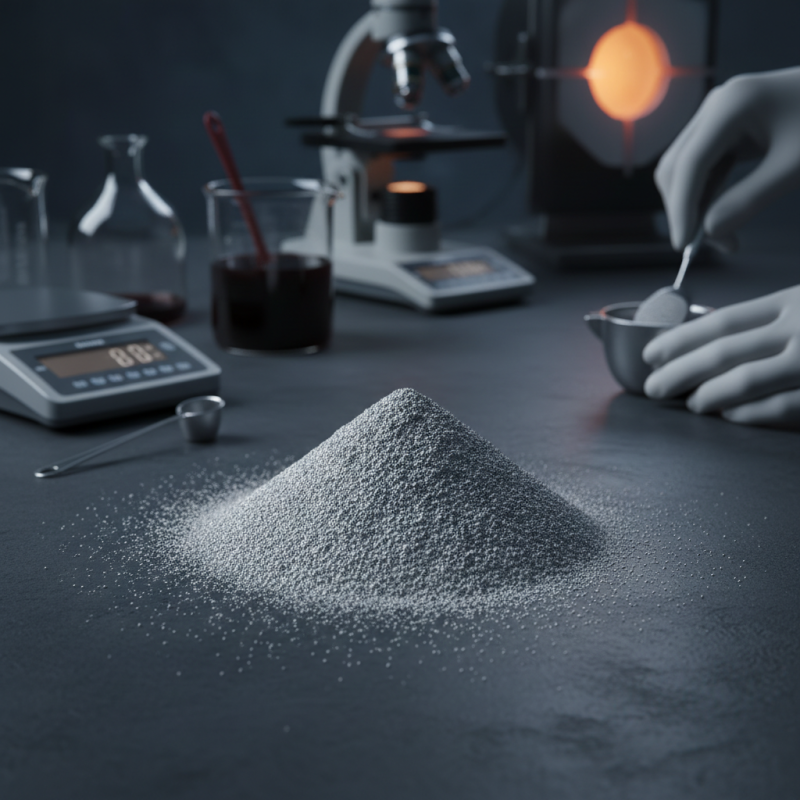
Silicon metal powder is a fine substance that has become increasingly important in various industries. It is derived from silica and is known for its excellent properties. This powder is often used in the production of alloys, especially in aluminum manufacturing. According to industry reports, the global silicon metal market was valued at over $5 billion in 2022, reflecting strong demand across multiple sectors.
In addition to aluminum production, silicon metal powder serves various purposes. It is a key ingredient in the semiconductor industry, aiding in the production of photovoltaic cells. Some studies indicate that nearly 20% of silicon metal is utilized for solar applications. However, the environmental impact of silicon mining poses a dilemma. Miners deal with significant ecological footprints, which raises questions about sustainable practices.
Another application is in the production of silicones. This versatile material finds its way into construction, automotive, and personal care products. Despite its many uses, inconsistencies in quality control can lead to inferior outcomes in finished products. The industry must address these variability issues to enhance the overall effectiveness of silicon metal powder applications. As more sectors turn to silicon metal, the need for reflection on sustainable practices and quality assurance remains pressing.
Production Methods of Silicon Metal Powder
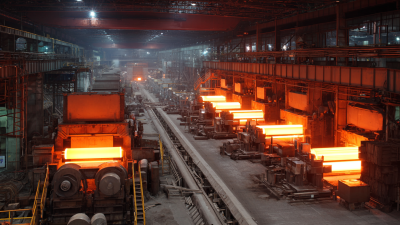
Silicon metal powder is produced through various methods, each with distinct characteristics. The most common method involves the reduction of silica in an electric arc furnace. This process requires high temperatures, often exceeding 2000 degrees Celsius. The result is a highly pure silicon that can be further processed into powder form.
Another method is chemical vapor deposition. In this approach, silicon is deposited onto a substrate from a gas phase. This technique allows for fine control over particle size and morphology. It is often used for producing silicon for electronic applications. However, this method can be more expensive and intricate, requiring careful handling of gases and substrates.
Despite these methods, there are challenges in achieving uniform particle size. The production of silicon metal powder can fluctuate based on raw material quality and environmental conditions. Manufacturers must continually refine their processes to improve efficiency. Balancing cost and quality remains a critical issue. Understanding production intricacies is essential for optimizing silicon metal powder applications in various industries.
What is Silicon Metal Powder and Its Uses in Industry? - Production Methods of Silicon Metal Powder
| Property |
Value |
Uses |
| Chemical Formula |
Si |
Used in producing alloys and semiconductors |
| Purity Level |
99.5% - 99.9% |
Electronics and solar panels |
| Production Methods |
Silicon metallurgical processes |
Used in steels and alloys |
| Particle Size |
100 - 500 microns |
Applications in powder metallurgy |
| Density |
2.33 g/cm³ |
Used in construction materials |
| Melting Point |
1414 °C |
Metallurgical industry applications |
Key Properties of Silicon Metal Powder
Silicon metal powder is a key ingredient in various industrial applications. It possesses several important properties that make it valuable in manufacturing. One notable characteristic is its high purity, often exceeding 98%. This high level of purity is essential for producing premium silicon alloys and semiconductors. Additionally, the particle size of silicon metal powder can be controlled, which is crucial for specific applications like coatings or composites.
Another important property of silicon metal powder is its excellent thermal and electrical conductivity. This enables its use in electronic components and photovoltaic cells. Reports indicate that the global market for silicon metal is projected to grow by 5.4% annually, driven by the increasing demand in the renewable energy sector. Notably, its resistance to oxidation allows silicon metal powder to maintain performance in high-heat environments.
Tips: Always source silicon metal from reputable suppliers to ensure quality. It’s vital to conduct your own tests when integrating new materials into production lines. Remember, the right particle size can enhance performance but may be overlooked. This is a common mistake that can lead to inefficiencies.
Usage of Silicon Metal Powder in Different Industries
Silicon metal powder is a vital material used across various industries. This chart illustrates the percentage usage of silicon metal powder in key sectors, highlighting its importance in electronics, automotive, chemicals, construction, and aerospace industries.
Applications of Silicon Metal Powder in Various Industries
Silicon metal powder has diverse applications across various industries. In the automotive sector, it is used in aluminum alloys. These alloys improve the strength and durability of components. A report from a leading industry analyst indicates that the use of silicon metal powder in automotive manufacturing is expected to grow by 5% annually until 2025. This growth reflects the need for lighter, more efficient materials.
The electronics industry also benefits significantly from silicon metal powder. It is a critical component in semiconductors and solar cells. The Global Silicon Market Report highlights that around 40% of silicon is used in electronics. As technology evolves, the demand for high-purity silicon increases. This creates a challenge for manufacturers to meet stringent quality standards.
In the construction realm, silicon metal powder helps improve concrete strength. It enhances resistance to environmental elements. Research shows that incorporating silicon powder can increase the lifespan of structures by 15% or more. However, some companies face difficulties achieving uniform particle size, which impacts overall performance. The balance between quality and cost remains a point of contention for many in the industry.
Environmental Considerations and Safety Measures in Handling Silicon Metal Powder
Silicon metal powder is widely used in various industries. However, environmental considerations and safety measures are essential when handling this substance. Silicon metal can create dust, which is harmful if inhaled. Industry reports suggest that prolonged exposure to dust can lead to respiratory issues. It's crucial to use proper ventilation and personal protective equipment during handling.
Tips for handling silicon metal powder include wearing masks and goggles. Always work in a well-ventilated area to minimize inhalation risks. Employers should provide safety training to workers who handle this material. Regular monitoring of dust levels in the air can ensure a safer work environment.
The environmental impact of silicon metal powder production is another concern. Manufacturing processes can release pollutants if not managed correctly. Regulations exist, yet compliance varies across regions. Companies should strive to implement cleaner technologies. Reflecting on current practices can lead to better sustainability outcomes, reducing the footprint left by silicon metal powder. Maintaining awareness of safety protocols and environmental responsibilities remains vital.