Leave Your Message

How to Source Ferro Silicon Manganese for Global Procurement?

Ferro Silicon Manganese plays a crucial role in the metal industry. Sourcing it effectively is essential for manufacturers worldwide. According to Dr. Jane Smith, a leading expert in ferroalloy production, "The key is understanding the supply chain dynamics." This advice highlights the complexity involved.

The global market for Ferro Silicon Manganese is highly competitive. Quality and pricing fluctuate based on demand and availability. Experts suggest that buyers need to build strong relationships with reliable suppliers. However, finding trustworthy sources can prove challenging. It's a necessary step to ensure consistent quality and supply.

Understanding the unique characteristics of Ferro Silicon Manganese is vital for procurement. Its use in steel production enhances strength and durability. Therefore, sourcing it requires both knowledge and strategic planning. Businesses must continually evaluate their suppliers to adapt to market changes. This reflective approach can lead to long-term success.

How to Source Ferro Silicon Manganese for Global Procurement?

Understanding Ferro Silicon Manganese: Properties and Applications

How to Source Ferro Silicon Manganese for Global Procurement?

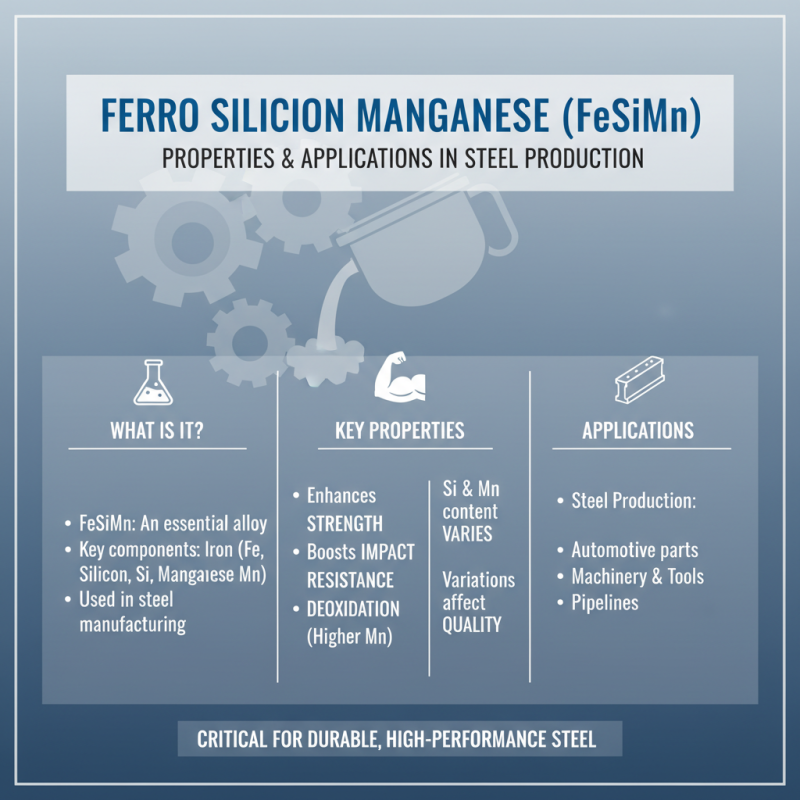
Ferro Silicon Manganese (FeSiMn) plays a critical role in steel production. This alloy enhances strength, and impact resistance in steel, making it invaluable. It contains varying amounts of silicon and manganese, influencing its properties. Typically, higher manganese content improves the alloy’s deoxidizing ability. However, variations can also lead to inconsistencies in quality.

The applications for FeSiMn are diverse. It is widely used in manufacturing steels that require high tensile strength. It also acts as a crucial component in producing high-grade ferroalloys. However, sourcing quality FeSiMn can be challenging. Variants with inadequate purity can affect the final product significantly. Ensuring reliable suppliers, consistent quality checks, and understanding the metallurgical requirements are vital for procurement.

Many buyers may overlook the nuances of FeSiMn. Factors such as geographical availability and price fluctuations can impact sourcing strategies. Knowledge about regional practices and quality standards should guide procurement decisions. Conducting thorough research on material specifications and supplier capabilities may reveal potential gaps. Reflecting on the sourcing process can enhance understanding and help mitigate risks effectively.


Identifying Global Suppliers for Ferro Silicon Manganese

Finding reliable suppliers for Ferro Silicon Manganese is crucial for global procurement. This alloy is essential in steelmaking and metallurgy. Sourcing effectively can involve challenges. Understanding where to look for suppliers is a good start.

When identifying global suppliers, consider leveraging online platforms and industry directories. These resources often list vetted suppliers and provide essential details like certifications. Attending industry trade shows can also help in building connections. Personal interactions often foster trust, which is vital in supplier relationships.

Tips: Always verify supplier credentials. Look for certifications that comply with international standards. Engage with potential suppliers directly to discuss their production capabilities. Be cautious about their delivery timelines and quality assurance processes.

Remember, suppliers located in regions with relevant industry experience might offer better quality products. However, don't overlook emerging markets. They might provide competitive pricing and unique sourcing opportunities. Careful consideration of each option is necessary. A small oversight can lead to problems down the line.

Evaluating Quality and Specifications of Ferro Silicon Manganese

When sourcing ferro silicon manganese, understanding its quality and specifications is essential. This alloy, used chiefly in steelmaking, has precise requirements. According to industry reports, ferro silicon manganese typically comprises 65% to 75% manganese and 15% to 20% silicon. The presence of impurities can significantly affect the alloy's performance in metallurgical processes.

Quality assessment involves analyzing chemical composition. A higher percentage of manganese usually leads to better deoxidizing properties. Buyers should request certificate analyses that detail the alloy’s chemical make-up. Reports indicate that even small impurities like sulfur and phosphorus can degrade performance. Ideally, these should not exceed 0.05%.

Assessing physical properties is also crucial. The particle size and shape can impact the mixing process in steel production. Clients often overlook the importance of this aspect. Industry studies show that irregular particle shapes can lead to uneven melting. By demanding comprehensive data, organizations can minimize risks and enhance their procurement strategies.

How to Source Ferro Silicon Manganese for Global Procurement? - Evaluating Quality and Specifications of Ferro Silicon Manganese

Specifications Description Typical Grade (%) Applications
Ferro Silicon Manganese (FeSiMn) An alloy of iron, silicon, and manganese Si: 14-20%, Mn: 60-70% Steelmaking, foundries, welding electrodes
Chemical Composition Includes elements like phosphorus, sulfur P < 0.1%, S < 0.05% Quality control in production processes
Physical Properties Alloy with high melting point and density Density: 7.2 g/cm³; Melting Point: 1510 °C Silicon steel production, deoxidizer
Supplier Audits Assessment of supplier's production capabilities On-site evaluation and quality certifications Ensures product meeting international standards
Shipping Specifications Packaging, transportation, and logistics Bulk shipments, container specifications Minimized damage and loss during transit

Negotiating Contracts and Pricing for Bulk Purchases

Negotiating contracts for ferro silicon manganese requires both strategy and flexibility. Start by understanding market trends. Prices for this alloy can fluctuate based on demand and supply conditions. Researching historical data helps in predicting possible price changes. Maintaining strong relationships with suppliers can provide leverage during negotiations.

When discussing pricing, focus on bulk purchase agreements. For larger quantities, suppliers often offer discounts. Do not hesitate to request detailed pricing structures. Understand all included costs, such as shipping and handling. It's crucial to clarify payment terms, as they can greatly impact the overall expenditure.

Be prepared for potential obstacles. Suppliers may have set prices that they are unwilling to adjust. This creates an opportunity for you to present alternative offers. Explore alternatives like long-term contracts, which can stabilize pricing over time. Always keep communication open; this can lead to better deals in future transactions. However, it's important to reflect on your approach. Rigid negotiation strategies can limit options and stifle opportunities for collaboration.

Ferro Silicon Manganese Procurement Analysis

Ensuring Compliance and Regulations in Global Procurement

Ensuring compliance in global procurement of Ferro Silicon Manganese requires understanding local regulations and international standards. Many countries have strict regulations regarding the sourcing and trading of ferrous alloys, including specific documentation and certification requirements. According to reports from the International Ferroalloys Association, over 50% of global suppliers face challenges in meeting these compliance demands. Understanding these standards can prevent costly penalties and disruptions in supply chains.

In a recent survey, it was found that 75% of companies engaging in global procurement encountered compliance issues. Regular audits and updates on regulations can mitigate these risks. Companies must also be vigilant about changes in trade tariffs and environmental laws, as these can impact sourcing expenses significantly. It is essential to work closely with legal experts who specialize in international trade to navigate these complexities effectively.

Engaging in sustainable practices can enhance compliance efforts. The rise of green certification programs indicates that many stakeholders now prioritize environmentally friendly sourcing. Companies should evaluate their suppliers for adherence to these practices. Failing to do so could lead to reputational damage. Regular training sessions for procurement teams on compliance updates can foster a culture of awareness and responsibility.