How to Source High Quality Silicium Carbide for Your Needs?
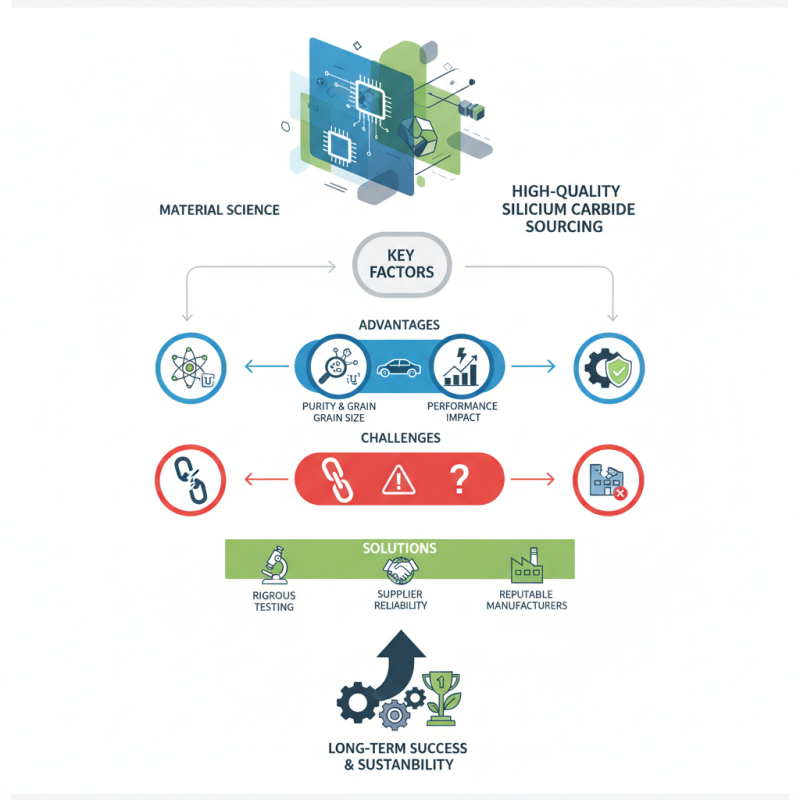
In the rapidly evolving world of materials science, sourcing high-quality Silicium Carbide is essential. Dr. Emily Carter, a renowned expert in semiconductor materials, emphasizes, "The purity and grain size of Silicium Carbide directly impact performance." Understanding these factors can significantly influence application outcomes.
Silicium Carbide offers advantages in various industries, from electronics to automotive. However, not all sources are equal. Low-quality materials can lead to poor product performance and reliability issues. Many companies struggle with this aspect, often compromising on their end products.
Emphasizing the importance of rigorous testing and supplier reliability cannot be overstated. Building relationships with reputable manufacturers ensures access to premium Silicium Carbide. The journey to finding the right source may challenge many. Keep in mind that quality directly affects long-term success and sustainability in your projects.
Understanding Silicium Carbide's Industrial Applications and Benefits
Silicium carbide, or SiC, is increasingly valued in various industries. Its unique properties, such as exceptional thermal conductivity and high hardness, make it suitable for applications in electronics, automotive, and aerospace sectors. In power electronics, SiC devices enable faster switching speeds and higher efficiency. This reduces energy loss in systems, making them more sustainable.
Additionally, SiC plays a crucial role in high-temperature and high-voltage environments. It can withstand extreme conditions that would easily damage other materials. This reliability enhances the longevity of components, leading to reduced maintenance costs. Manufacturers appreciate its durability while navigating the challenges of sourcing high-quality SiC. Not all suppliers guarantee the same standards, making careful evaluation essential.
However, sourcing SiC is not without its challenges. Quality control can vary widely across suppliers. It’s important to conduct thorough research before making purchasing decisions. Engage with suppliers about their manufacturing processes. Ensure they meet stringent industry standards. Building relationships with credible sources can lead to more reliable outcomes. Finding high-quality silicium carbide requires diligence and thoughtful evaluation of available options.
How to Source High Quality Silicium Carbide for Your Needs? - Understanding Silicium Carbide's Industrial Applications and Benefits
| Application |
Benefits |
Quality Indicators |
Sourcing Criteria |
| Power Electronics |
High thermal conductivity, efficiency |
Purity level over 99.9% |
Reputable supplier, certification |
| Automotive |
Durability, lightweight |
Grain size uniformity |
Traceability, customer reviews |
| LED Technology |
High efficiency, reduced heat |
Luminescence quality |
Material certifications, samples |
| Aerospace |
Temperature resistance, reliability |
Certification for extreme conditions |
ISO certifications, advanced testing |
Assessing Purity Levels: Importance of SiC Standardization in Sourcing
When sourcing silicium carbide (SiC), understanding purity levels is crucial. Purity impacts performance in applications like electronics, abrasives, and composites. High purity SiC leads to improved conductivity and durability. However, achieving the right purity can be challenging.
Standardization in SiC sourcing plays a significant role. It helps ensure that the material meets specific quality criteria. Be cautious of suppliers claiming high purity without certification. Low-quality SiC can lead to failures in industrial applications. Assess certification documents carefully before making a purchase.
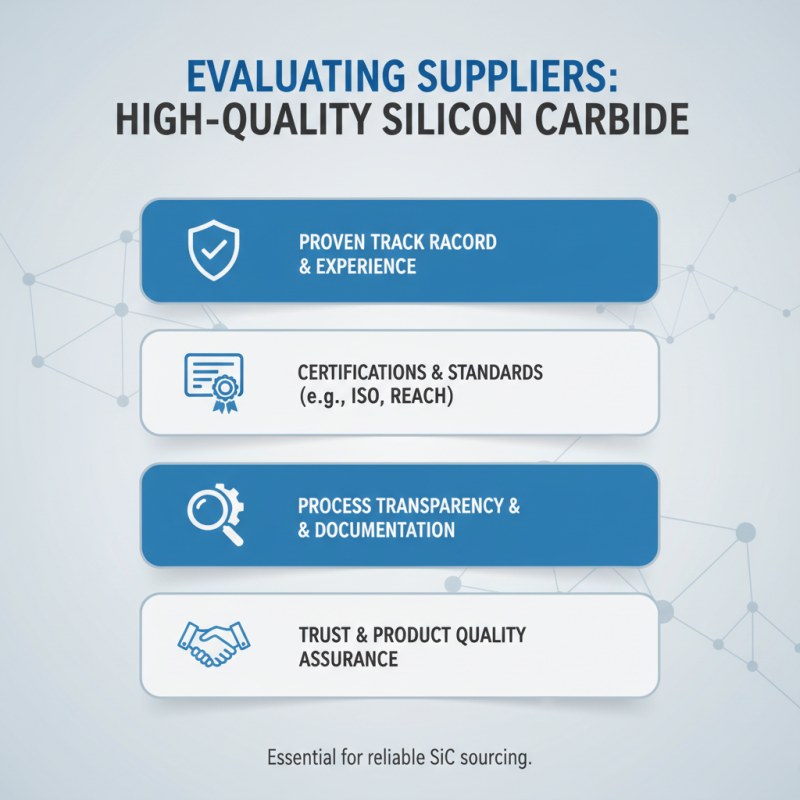
Authenticating the source is essential too. Not all suppliers adhere to the same standards. It’s vital to investigate sources and request samples for testing. A transparent supply chain fosters trust and reliability. However, even reputable suppliers can have inconsistencies. Regular testing and validation form the backbone of a robust sourcing strategy.
Market Trends: Demand and Pricing Analysis for Silicium Carbide Globally
Silicium carbide is gaining traction in various industries. Its demand is linked to technological advancements and market shifts. The global market for silicium carbide is expanding, driven by the automotive, electronics, and renewable energy sectors. However, understanding pricing trends is essential for effective procurement.
Prices can fluctuate significantly. Market conditions, supply chain disruptions, and material costs play a role. For instance, recent high demand in electric vehicle production has increased silicium carbide prices. It's crucial to stay informed about these fluctuations and plan purchases accordingly.
Tips to secure high-quality silicium carbide include establishing strong supplier relationships. Communicate your needs clearly. It’s also beneficial to request samples before committing to bulk orders. Always evaluate the source's quality and reputation. Conducting thorough research helps in making better purchasing decisions.
Best Practices for Testing and Quality Assurance in SiC Procurement
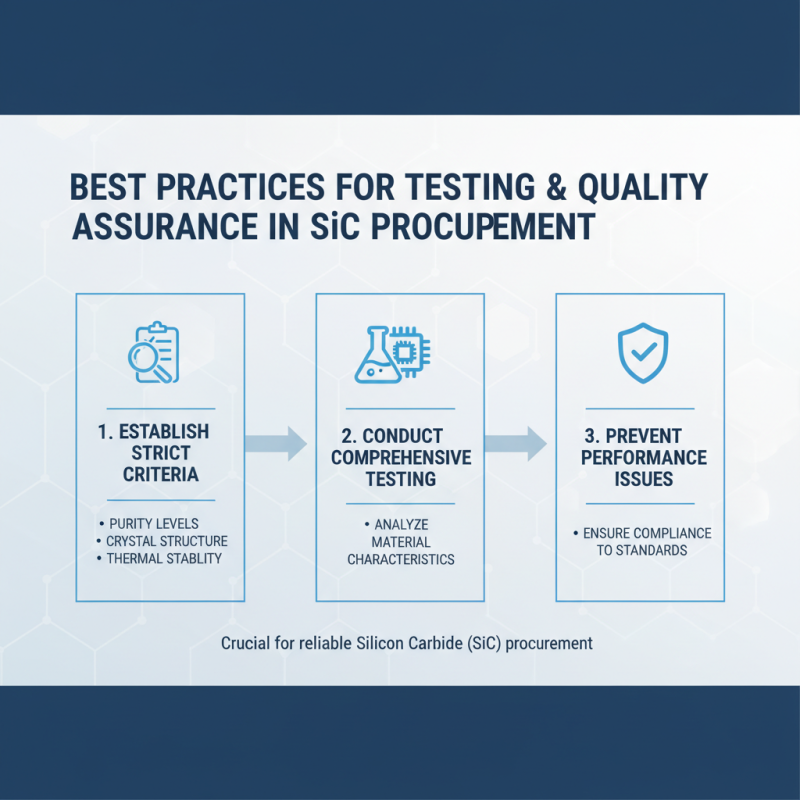
When procuring silicium carbide (SiC), testing and quality assurance are crucial. The characteristics of SiC can vary significantly. Therefore, it’s essential to establish strict criteria before making a purchase. This includes analyzing purity levels, crystal structure, and thermal stability. Any deviation from specified standards can result in performance issues.
First, consider employing standardized testing methods. Techniques like X-ray diffraction (XRD) help confirm the material's structure. Additionally, scanning electron microscopy (SEM) can reveal surface morphology. Regular checks during the procurement process are also advisable. This ensures that the material meets your specifications consistently. Relying solely on supplier claims may not suffice; independent testing often uncovers discrepancies.
Engaging with experienced professionals in the field can provide valuable insights. They can guide you on the common pitfalls and industry standards. Keep communication open with your suppliers. Transparency about your quality expectations will encourage more responsible sourcing practices. An ongoing quality assurance plan will help in evaluating the received SiC samples against your established benchmarks. Failure to recognize production variations can lead to costly issues down the road.