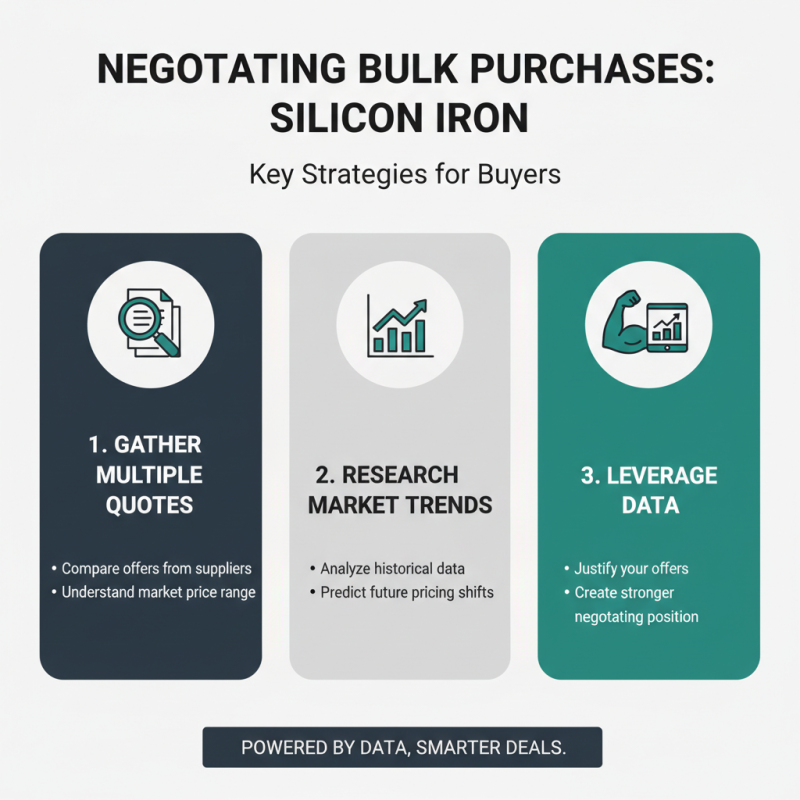
How to Source High Quality Silicon Iron for Your Business?
Sourcing high-quality Silicon Iron is crucial for businesses in the electrical and automotive industries. According to Dr. Jane Holbrook, a leading expert in metallurgical engineering, "The quality of Silicon Iron can significantly impact the efficiency of electrical systems." This highlights the importance of choosing the right suppliers.
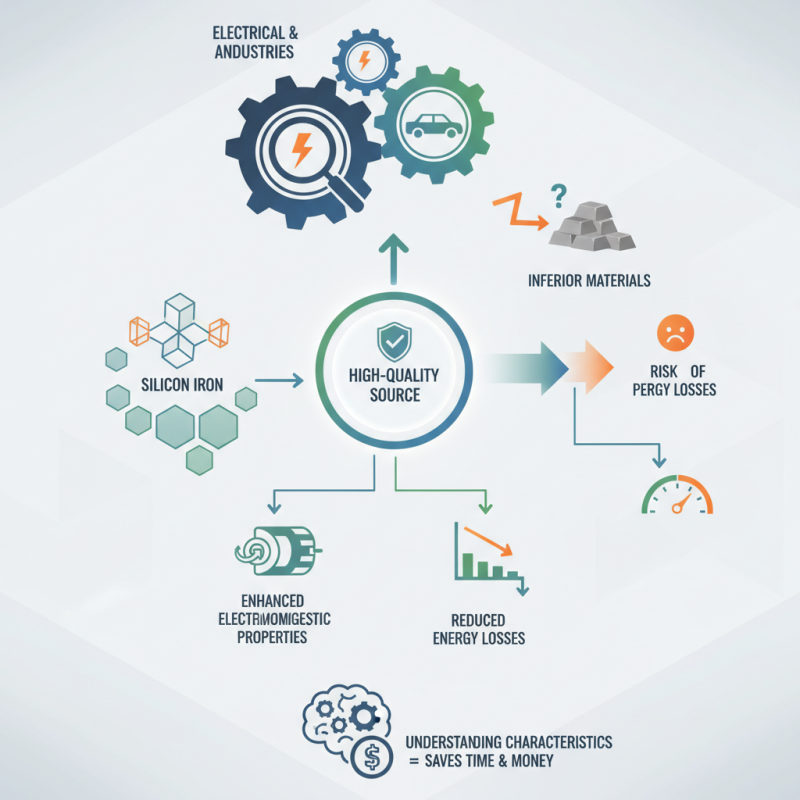
High-quality Silicon Iron enhances performance. It improves electromagnetic properties and reduces energy losses. However, not all suppliers provide the same standards. It can be challenging to find trustworthy sources that meet specific needs.
Many businesses face difficulties in assessing the quality of Silicon Iron. They often rely on price as a primary factor. This approach can lead to purchasing inferior materials. Understanding the characteristics of high-quality Silicon Iron is essential. It can save time, money, and effort in the long run.
Understanding Silicon Iron: Properties and Applications
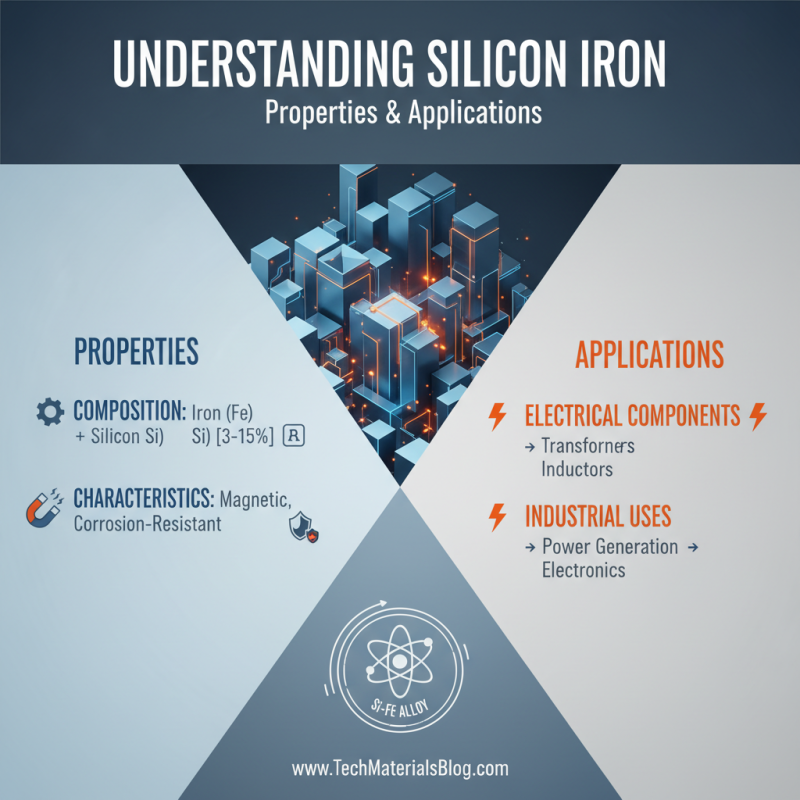
Silicon iron is an alloy made primarily of iron and silicon. Its unique properties make it valuable in various industrial applications. The silicon content usually ranges from 3% to 15%. This range ensures it maintains magnetic properties while enhancing resistance to corrosion. This quality is essential for electrical components like transformers and inductors.
In terms of applications, silicon iron shines in the electrical and automotive industries. It is often used in the production of electrical steel. This type of steel is critical for motors and generators. Its efficiency can significantly impact energy consumption and performance. However, sourcing high-quality silicon iron isn’t simple. Variability in alloy composition can lead to inconsistent results. Many suppliers offer different grades, but ensuring quality requires diligence.
Quality assessments often involve chemical analysis and testing for mechanical properties. It's wise to partner with reliable suppliers who understand these complex needs. Not every supplier will meet these standards. Exploring options can be time-consuming, requiring careful evaluation. This process can highlight gaps in the supply chain. Effective sourcing demands attention to detail and an understanding of the end-use requirements.
Identifying High-Quality Silicon Iron Suppliers
Identifying high-quality silicon iron suppliers can make or break your business. The market for silicon iron is heavily dependent on specifications and local sourcing capabilities. According to industry reports, the demand for silicon iron has surged, with a projected annual growth rate of 4.5% over the next five years. This growth presents opportunities, but it also heightens competition.
Start by evaluating potential suppliers' certifications. Reliable suppliers often have ISO certifications, which ensure quality management. It's also useful to examine their production capacity and quality control processes. Some reports indicate that suppliers with stringent QC measures produce silicon iron with consistent properties, reducing waste in production. A supplier's transparency about sourcing materials is essential. Responsible sourcing can greatly affect the quality of the end product.
Engage with suppliers through visits or virtual meetings. This can reveal their operational efficiency and commitment to social responsibility. Authentic suppliers often share data on their material compositions, helping you assess compliance with industry standards. Be cautious of overly aggressive pricing. If a price seems too good to be true, it often is. Quality and reliability should always outweigh cost considerations in the long run.
How to Source High Quality Silicon Iron for Your Business? - Identifying High-Quality Silicon Iron Suppliers
| Supplier Location |
Quality Certifications |
Production Capacity (ton/month) |
Lead Time (weeks) |
Price Range (USD/ton) |
| North America |
ISO 9001, RoHS |
500 |
4 |
1200 - 1500 |
| Europe |
ISO 14001, CE |
800 |
6 |
1300 - 1600 |
| Asia |
ISO 9001, TS 16949 |
1000 |
5 |
1100 - 1400 |
| South America |
ISO 9001 |
300 |
3 |
1400 - 1700 |
Evaluating Supplier Certifications and Standards
When sourcing high-quality silicon iron, evaluating supplier certifications is crucial. Certifications demonstrate a supplier's adherence to industry standards. Look for certifications like ISO 9001 or similar. These indicate a commitment to quality management systems. However, not all certificates are created equal. Some may be outdated or issued by less recognized organizations. Always verify the certification's validity with the issuing body.
Supplier audits can provide additional insights. An on-site visit or third-party audit helps assess the supplier's practices and processes. It can reveal their commitment to maintaining quality. However, don't assume that a good audit equates to consistent quality. It's essential to monitor product quality over time.
Tips: Always request documentation for certification. Review reports and any related quality control measures. Maintain open communication with suppliers to address any concerns. Regular feedback can strengthen your partnership and improve overall quality. Remember, a proactive approach in evaluating suppliers often leads to better material sourcing.
Quality Assessment of Silicon Iron Suppliers
Establishing Quality Control Measures for Incoming Materials
Establishing quality control measures for incoming materials is crucial in sourcing high-quality silicon iron. Effective quality checks can help businesses maintain consistent product standards. One of the first steps is to define clear specifications for silicon iron. These specifications should include chemical composition, physical properties, and acceptable impurity levels. Having a well-defined set of criteria helps in evaluating suppliers.
Conducting routine inspections and tests on incoming shipments is essential. Random sampling can provide insights into the batch quality. Simple tests, like magnetic permeability checks, can be performed to verify product performance. Be prepared for the possibility that some batches may not meet the standards. Documenting these discrepancies can help refine quality control processes.
Training staff on quality assessment techniques is a key aspect of quality control. Ensure employees understand the importance of their role in maintaining product integrity. Hands-on training can help them identify defects more effectively. Over time, you may notice improvements in product consistency, but be open to ongoing adjustments in your quality control measures.