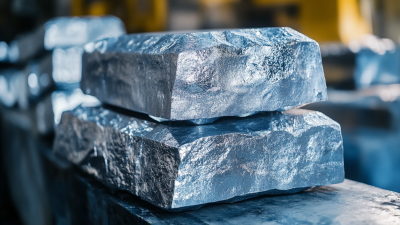
Top 10 China Silicon Metal Suppliers for Global Buyers?
In recent years, the demand for Silicon Metal has surged globally. Various industries rely heavily on Silicon Metal for its exceptional properties. This growing need presents an opportunity for buyers seeking reliable suppliers. Navigating the complexities of the global market can be challenging, especially with so many options available.
Understanding the landscape of Silicon Metal suppliers in China is crucial. China is a leading producer, known for both quality and volume. However, not all suppliers are created equal. Buyers need to identify trustworthy partners to ensure top-notch products. Some suppliers may promise lower prices but compromise quality.
Being aware of market nuances is essential. Every supplier has unique strengths and weaknesses. Responsible sourcing demands diligence in research and communication. Gaining insights into the industry can lead to better decision-making. As buyers, we must recognize that uncertainties exist. Using this guide, explore the top 10 Silicon Metal suppliers in China, aligning your needs with reliable sources.
Overview of the Silicon Metal Market in China for Global Buyers
The silicon metal market in China is pivotal for global industries. Silicon metal is mainly used in aluminum production, solar panels, and electronic components. China's abundant resources and advanced production technology make it a key player. The country supplies about half of the world's silicon metal. This strong position is crucial for manufacturing sectors that rely on silicon.
However, buyers face challenges. Price fluctuations are common due to market demand and environmental regulations. Companies must navigate these unpredictability factors. Quality control is another concern. Different suppliers may offer varying levels of purity and grade. Establishing clear quality standards is vital when sourcing.
Understanding the market dynamics is essential for any global buyer. Collaborating with reliable suppliers can help mitigate risks. This evolving landscape demands awareness and adaptability from stakeholders. Keeping abreast of market trends and technological advancements is key for successful sourcing in this competitive environment.
Key Factors Driving China's Silicon Metal Supply Chain Dynamics
China has emerged as a vital player in the global silicon metal supply chain. The country's rich natural resources and advanced production capabilities contribute significantly to this dynamic. Changes in domestic energy policies have a pronounced impact. Many suppliers face challenges related to energy consumption and sourcing. As they adapt to new regulations, their production strategies must evolve.
Environmental concerns also shape the silicon metal market. Stricter regulations are pushing companies to adopt cleaner manufacturing processes. This shift not only protects natural resources but also impacts production costs. Suppliers are exploring innovative technologies to remain competitive. However, addressing these environmental issues often leads to a complex balancing act.
The demand from industries like renewable energy and electronics keeps growing. Yet, the volatility of raw material prices creates uncertainty for suppliers. Managing these variables requires deep market knowledge and adaptability. Each supplier's ability to navigate these trends will determine their success in the international arena. There is a need for continuous improvement and reflection on strategies to meet the evolving global demands.
Top 10 China Silicon Metal Suppliers for Global Buyers
| Rank |
Supplier Type |
Annual Production Capacity (Metric Tons) |
Export Volume (Metric Tons) |
Main Markets |
Key Production Regions |
| 1 |
Integrated Producer |
300,000 |
200,000 |
USA, Europe |
Yunnan, Xinjiang |
| 2 |
Refinery |
250,000 |
150,000 |
Asia, Middle East |
Sichuan, Guangxi |
| 3 |
Distributor |
150,000 |
100,000 |
North America, Europe |
Shandong |
| 4 |
Trader |
100,000 |
80,000 |
Europe, Southeast Asia |
Inner Mongolia |
| 5 |
Manufacturer |
120,000 |
60,000 |
South Korea, Japan |
Jiangsu |
| 6 |
Supplier |
90,000 |
75,000 |
North America |
Liaoning |
| 7 |
Supplier |
80,000 |
50,000 |
Europe |
Zhejiang |
| 8 |
Refinery |
70,000 |
40,000 |
Asia |
Henan |
| 9 |
Distributor |
60,000 |
30,000 |
Europe, North America |
Tianjin |
| 10 |
Trader |
50,000 |
20,000 |
Asia, Europe |
Guangdong |
Top 10 Leading Silicon Metal Suppliers in China: A Comparative Analysis
In recent years, the demand for silicon metal has surged globally. Consequently, China has emerged as a central player in this market. A comparative analysis of the leading suppliers reveals varied strengths and weaknesses. Companies in this sector range from large-scale manufacturers to specialized producers. Each supplier showcases unique capabilities, including production techniques, quality standards, and customer service.
The quality of silicon metal can greatly differ among suppliers. Some facilities utilize advanced technology to enhance purity levels. Others focus on eco-friendly production to meet international sustainability standards. However, a constant challenge remains: managing supply chain fluctuations. Suppliers often face unexpected changes in raw material costs and logistics issues. These factors can influence pricing and availability for global buyers.
Navigating the supplier landscape requires careful consideration. While some suppliers boast impressive production capacities, their transparency may fall short. Buyer experiences often vary, reflecting gaps in communication or service levels. Research is vital when evaluating suppliers. Engaging directly with potential partners can reveal insights that online data may overlook.
Market Share and Production Capacity of Major Chinese Silicon Producers
China's silicon metal supply plays a crucial role in the global market. With increasing demand, major producers have ramped up their production capacity. This move aims to secure market share and cater to international clients. Understanding the dynamics of these suppliers is essential for global buyers seeking reliable partnerships.
Many Chinese silicon producers maintain large-scale operations. Their production capacities often reach thousands of tons per year. This volume allows for consistent supply and competitive pricing. However, not all suppliers are equally reliable. Some may struggle with quality control or faces regulatory challenges. Buyers should vet suppliers carefully to avoid potential pitfalls.
Tips for choosing a supplier: prioritize those with transparent operations. Look for firms that showcase their production processes and quality certifications. This information can signal reliability. Additionally, stay informed about market trends. Fluctuations in demand can impact supply stability. A proactive approach can save your business from unexpected shortages.
Top 10 China Silicon Metal Suppliers for Global Buyers
This chart represents the estimated production capacity and market share distribution of top Chinese silicon metal suppliers. The data reflects the growing competitiveness of these companies in the global market for silicon metal, which is essential for various industries including electronics and solar energy.
Trends and Future Outlook for Silicon Metal Exports from China
China has become a dominant player in the global silicon metal market. The country’s export volume has seen significant growth in recent years. According to industry reports, China accounted for over 50% of the world's silicon metal exports in 2022. This trend is likely to continue, driven by rising global demand, particularly from the renewable energy sector. Solar panel manufacturing depends heavily on silicon metal, and as energy transitions accelerate, this demand will likely increase.
However, there are challenges for Chinese suppliers. Environmental regulations are tightening, impacting production methods. Companies must adapt to more sustainable practices to remain competitive. Additionally, the geopolitical landscape adds uncertainty. Tariffs and trade restrictions can affect pricing and availability. Suppliers may need to reassess their logistics and market strategies to mitigate risks.
The future of silicon metal exports from China looks promising, yet complex. The interplay between demand, regulations, and international relations will shape this market. Suppliers in China must focus on innovation and sustainability to thrive. The path ahead is not without obstacles but holds potential for growth.