Leave Your Message

Top 10 Uses of Black Silicon Carbide for Global Buyers?

Black Silicon Carbide is a versatile material known for its unique properties and applications. It is prized in industries ranging from manufacturing to aerospace. This introduction explores the top ten uses of Black Silicon Carbide for global buyers.

Understanding its applications can help businesses make informed decisions. In the abrasive industry, Black Silicon Carbide is vital for grinding and polishing. Its hardness allows for effective cutting in various materials. Additionally, its use in electronics has gained traction due to its thermal conductivity.

Encapsulating the benefits and potential drawbacks of Black Silicon Carbide is crucial. While it excels in certain applications, challenges remain. Sourcing quality material requires careful consideration of suppliers. Overall, Black Silicon Carbide presents exciting opportunities for buyers worldwide.
Top 10 Uses of Black Silicon Carbide for Global Buyers?

Overview of Black Silicon Carbide and Its Properties

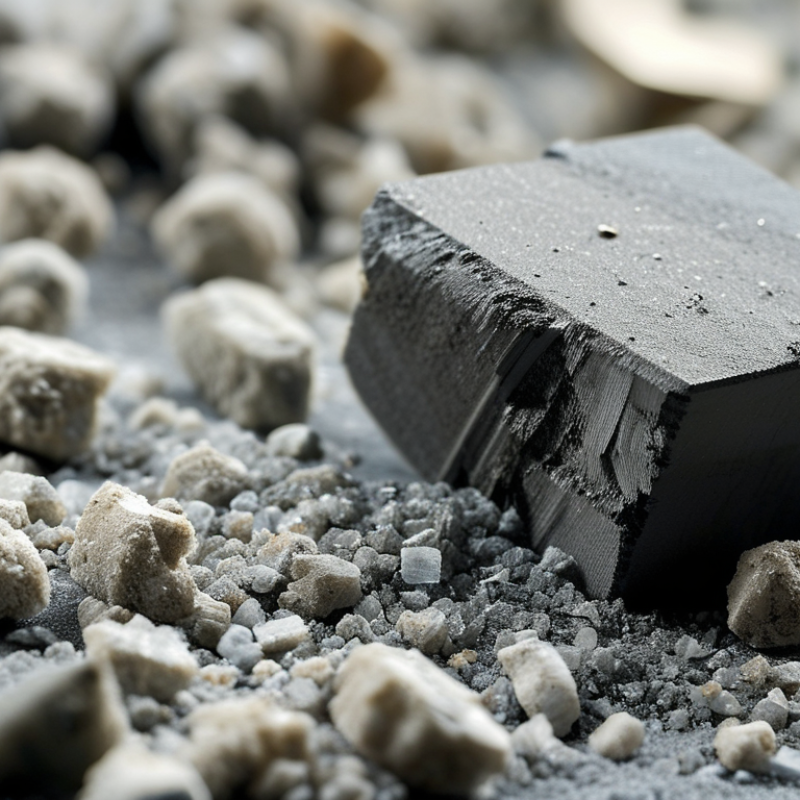
Black silicon carbide (SiC) is a unique material known for its exceptional hardness and thermal stability. This crystalline compound is widely used in various industrial applications. Its hardness makes it suitable for cutting, grinding, and polishing materials. In addition, black silicon carbide exhibits excellent wear resistance, making it a preferred choice for abrasive tools.

The properties of black silicon carbide also extend to electronic applications. It is a semiconductor material, which enables its use in high-temperature and high-voltage environments. Additionally, its thermal conductivity allows efficient heat dissipation in electronic devices. Despite its benefits, the manufacturing process can yield inconsistencies. Some batches may not meet specific standards, emphasizing the need for thorough quality control.

Moreover, black silicon carbide is also valued in the automotive and aerospace industries. Its lightweight nature contributes to improved fuel efficiency. However, its expensive production process can lead to higher costs. Buyers should weigh its advantages against these considerations. Quality assurance in sourcing remains crucial for optimal performance in applications.

Top 10 Uses of Black Silicon Carbide for Global Buyers

Use Case Description Industry Key Properties
Abrasives Used in grinding and polishing applications. Manufacturing Hardness, high thermal conductivity
Semiconductors Utilized in the production of electronic devices. Electronics High purity, electrical conductivity
Ceramics Used as a raw material for high-performance ceramics. Ceramics Thermal resistance, wear resistance
Water Filtration Acts as an efficient filter medium in water treatment. Environmental Porosity, chemical stability
Metal Bonded Tools Used in the manufacturing of cutting tools. Metalworking Strength, thermal stability
Refractories Serves in high-temperature insulating materials. Construction Heat resistance, low thermal conductivity
Composite Materials Enhanced composites for aerospace and automotive. Aerospace, Automotive Lightweight, strength
Polishing Agents Used in the formulation of polishing compounds. Consumer Goods Finishing quality, scratch resistance
Thermal Management Used in thermal interface materials and coatings. Electronics Thermal conductivity, chemical stability
Electrical Conductive Applications Utilized in creating conductive pathways in circuits. Electronics Electrical conductivity, stability

Industrial Applications of Black Silicon Carbide in Abrasives

Black Silicon Carbide (SiC) is a high-performance material widely used in industrial applications, particularly in abrasives. Its unique properties make it ideal for grinding, cutting, and polishing hard materials. This semi-conductive material provides superior hardness and toughness compared to other abrasives. Workers appreciate its efficiency in producing fine finishes on metals, ceramics, and stone surfaces.

In the manufacturing sector, Black Silicon Carbide helps in various processes. It is commonly utilized in sandpapers, grinding wheels, and blasting media. These products enable precision work and enhance productivity. However, not all applications require the hardest abrasive. Sometimes, softer materials are more suitable to avoid damaging delicate surfaces. Recognizing this balance is essential for achieving quality results.

Safety is another critical concern when using Black Silicon Carbide. The dust produced during grinding processes can pose health risks. Proper ventilation and protective equipment are necessary to mitigate exposure. While Black Silicon Carbide offers many advantages, it also requires careful handling and consideration of its impact on both workers and the environment. Manufacturers must continuously assess their processes to ensure both effectiveness and safety.

Top 10 Uses of Black Silicon Carbide in Industrial Applications

Role of Black Silicon Carbide in the Production of Refractories

Black silicon carbide (SiC) plays a crucial role in the production of refractories. Refractories are materials that can withstand high temperatures without deforming. In many industries, they are essential for creating structures that endure extreme heat. Black silicon carbide is favored for its high thermal conductivity and resistance to thermal shock. This makes it a go-to material for various refractory applications.

One notable application is in kiln linings. Kilns operate at very high temperatures, and the lining must endure continuous thermal stress. Using black SiC enhances the durability of the lining, leading to longer service life. Additionally, black silicon carbide is often mixed with other materials to improve their mechanical properties. This combination can result in refractories that not only resist heat but also provide better structural integrity.

However, the sourcing and processing of black silicon carbide can sometimes pose challenges. Variability in quality can affect performance. Buyers need to ensure they obtain high-purity SiC for optimal results. Regular testing and quality assurance measures are necessary for maintaining reliability. Understanding these nuances is vital for any buyer looking to utilize black silicon carbide effectively in refractory production.

Use of Black Silicon Carbide in Cement and Concrete Industries

The use of black silicon carbide in cement and concrete industries has gained traction in recent years. This material, known for its hardness and durability, plays a significant role in enhancing the performance of concrete. According to a report by the Global Cement and Concrete Association (GCCA), adding black silicon carbide can improve the compressive strength of concrete mixtures by up to 20%. This enhancement contributes to longer-lasting infrastructures, reducing the need for frequent repairs.

Incorporating black silicon carbide in cement can also aid in reducing environmental impact. The use of this material allows for lower water-to-cement ratios, leading to more sustainable mixes. A recent study estimated that utilizing such materials in concrete can decrease the carbon footprint by approximately 15%. This shift towards sustainability, however, should be approached with caution. Over-reliance on additives can sometimes lead to inconsistencies.

Tips: Consider testing different ratios of black silicon carbide in your mixes. Monitor how it affects your curing time and overall strength. Adjustments may be necessary to achieve desired results. Always consult with experts on the best practices to ensure quality and durability in your projects.

Innovative Applications of Black Silicon Carbide in Tech and Electronics

Black silicon carbide (SiC) has emerged as a versatile material in technology and electronics. Its unique properties make it ideal for a variety of applications. According to industry reports, the global silicon carbide market is expected to reach $2.21 billion by 2027, growing at a CAGR of 19.4%. This growth is largely driven by the demand for SiC in power electronics.

In semiconductor applications, black silicon carbide stands out for its thermal conductivity and high breakdown voltage. These characteristics make it perfect for high-efficiency transistors and diodes. Reports indicate that SiC devices can operate at higher temperatures, increasing energy efficiency by up to 25%. Its use in electric vehicles is also noteworthy. The automotive sector is increasingly turning to SiC for better performance in power management systems.

Despite its advantages, the production of black silicon carbide is not without challenges. Issues like resource scarcity and manufacturing costs need addressing. The learning curve in adapting SiC technology can be steep for some industries. As companies strive to integrate black silicon carbide, the balance between cost and performance remains a crucial area for ongoing improvement.