Top 10 Uses of Green Silicon Carbide for Global Buyers?
Green Silicon Carbide is a remarkable material widely recognized for its versatility and durability. Its unique properties make it invaluable across various industries. This introduction explores the top ten uses of this exceptional material that global buyers should consider.
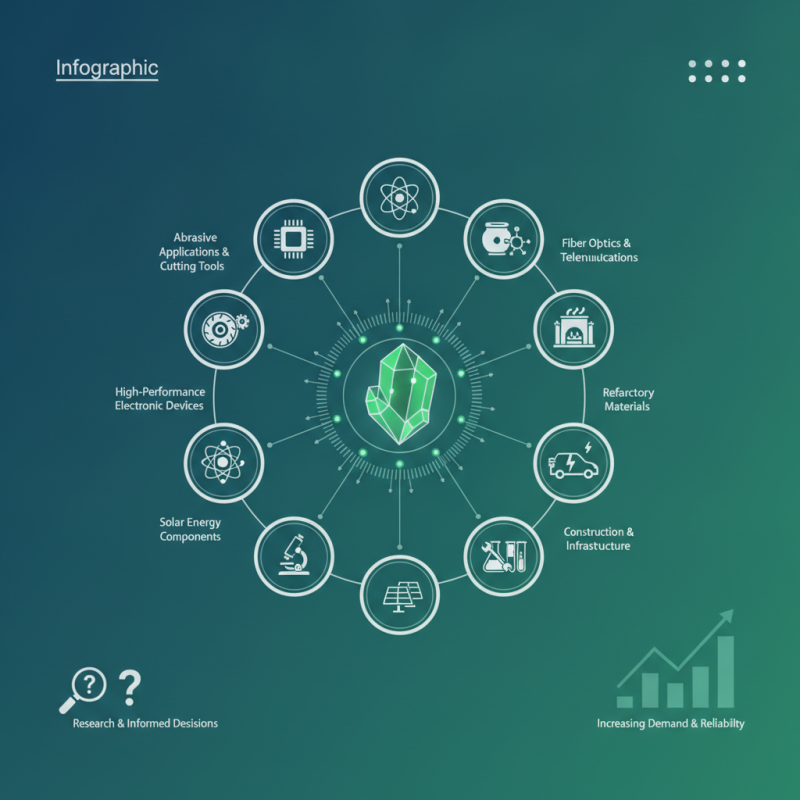
From abrasive applications to advanced ceramics, Green Silicon Carbide stands out. Its hardness is comparable to diamond, making it ideal for cutting tools and grinding wheels. Additionally, it serves as a key ingredient in high-performance electronic devices. As the demand for reliable materials increases, Green Silicon Carbide consistently proves its worth.
Buyers must genuinely understand its potential. Different uses cater to distinct requirements. However, navigating this landscape can pose challenges. Not every application is straightforward, and some may require further exploration. Thus, professionals must rely on their expertise and research to make informed decisions.
Top Applications of Green Silicon Carbide in Abrasive Industries
Green Silicon Carbide plays a crucial role in various abrasive industries. It is known for its high hardness and excellent thermal conductivity. Many manufacturers use it for grinding tools and sharpening blades. Its unique properties make it suitable for hard materials such as ceramics and glass. In the semiconductor industry, it is gaining traction due to its ability to handle high temperatures.
Another significant application is in the production of coated abrasives. Green Silicon Carbide grains are bonded to paper or cloth to create effective sanding products. These abrasives yield finer finishes than traditional options. They are widely used in metal and plastic processing. The versatility of Green Silicon Carbide allows it to cater to diverse industrial needs.
Many industries face challenges in sourcing reliable abrasives. Some buyers may find it difficult to distinguish quality suppliers. They may overlook certifications that ensure reliability. The demand for high-quality materials only increases. As industries evolve, they will need effective solutions while keeping sustainability a priority. Green Silicon Carbide continues to be an essential component in meeting these growing needs.
The Role of Green Silicon Carbide in Semiconductor Manufacturing
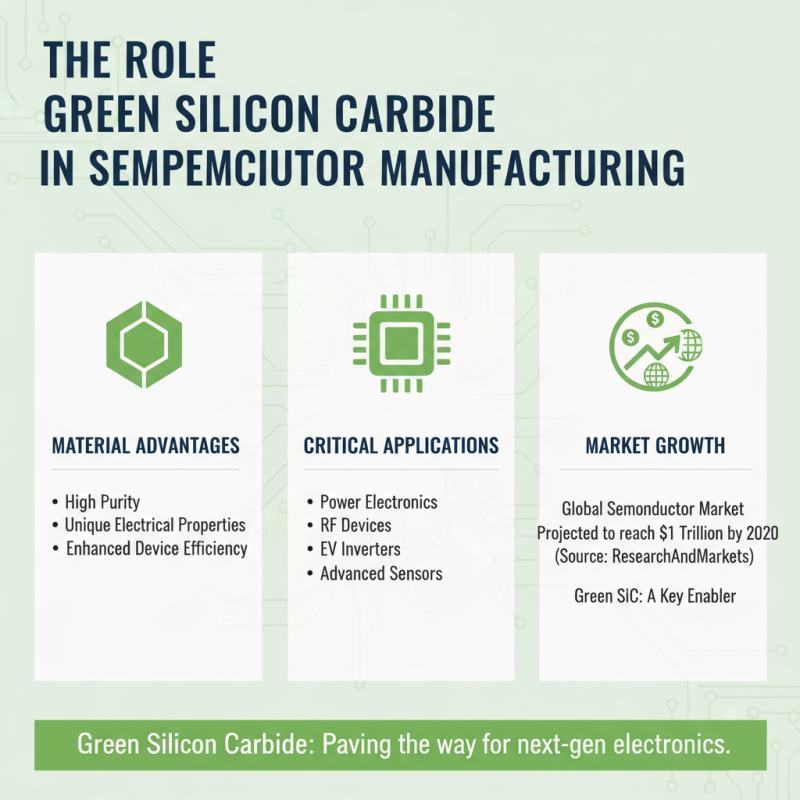
Green silicon carbide is increasingly recognized for its critical role in semiconductor manufacturing. This material boasts a high level of purity and unique electrical properties, making it ideal for various applications. According to a report from ResearchAndMarkets, the global semiconductor market is projected to reach $1 trillion by 2030, with green silicon carbide playing a pivotal role in enhancing device efficiency.
The production of power devices often relies on silicon carbide, particularly for high-voltage applications. This material can operate at higher temperatures and voltages than traditional silicon, improving energy efficiency significantly. A report from Yole Développement indicates that the adoption of silicon carbide in power electronics could lead to a 20% reduction in energy losses, a substantial figure considering that energy waste is a pressing global concern.
However, the manufacturing process has its challenges. Achieving the desired crystal quality and purity requires stringent control. Variances in material properties can affect device performance, posing questions for manufacturers. Reflecting on these challenges, the industry must enhance its processes to ensure uniformity. As green silicon carbide continues to evolve, the quest for standardization alongside innovation will shape its future in semiconductor applications.
Green Silicon Carbide in Solar Panel Production and Its Efficiency Benefits
Green silicon carbide is gaining attention in solar panel production. This material's unique properties enhance efficiency significantly. Reports indicate that incorporating green silicon carbide can improve solar cell energy conversion rates by up to 22%. This boost in efficiency makes solar panels more competitive in the renewable energy market.
The manufacturing process for solar panels benefits from green silicon carbide's hard and durable nature. It helps reduce surface roughness, leading to better light absorption. Additionally, its thermal conductivity aids in heat management. This ensures the longevity of solar panels under various environmental conditions. However, the cost of green silicon carbide remains a consideration for manufacturers.
Tip: When selecting materials for solar panel production, consider not just performance but also environmental impact. Sustainability in sourcing green silicon carbide is essential.
Another point to ponder is the ongoing challenge of scalability. While green silicon carbide has proven benefits, scaling up production could lead to inconsistencies in quality. Continuous research and development are vital to address these concerns.
Top 10 Uses of Green Silicon Carbide
Environmental Benefits of Using Green Silicon Carbide in Manufacturing Processes
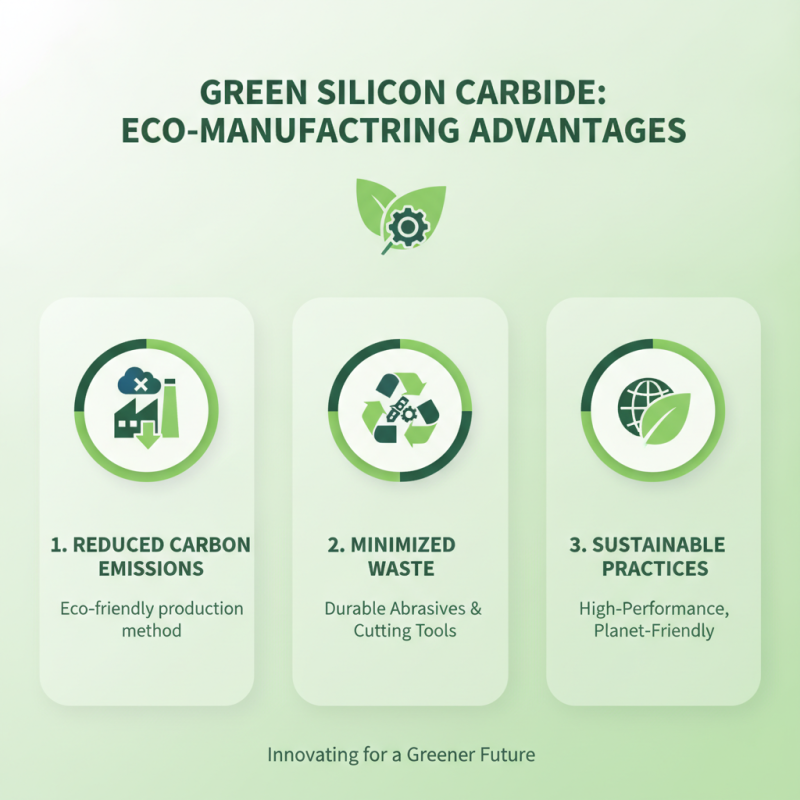
Green silicon carbide (SiC) is gaining traction in manufacturing due to its environmental benefits. This material is produced through a method that significantly reduces carbon emissions compared to traditional silicon carbide production. Its use in abrasives and cutting tools helps minimize waste, reinforcing sustainable practices in various industries. Manufacturers can rely on this eco-friendly abrasive to achieve high-performance results while helping the planet.
In addition to reducing carbon footprints, green silicon carbide offers exceptional durability. This means longer-lasting products that don’t require frequent replacements, thus lowering resource consumption. The mining and processing of traditional materials can often lead to environmental degradation. Switching to green SiC can mitigate some of these impacts. However, companies must balance performance and sustainability to ensure their operations remain efficient.
Despite these advantages, transitioning to green silicon carbide is not without challenges. Some manufacturers might face initial cost barriers or lack the necessary knowledge for implementation. An open dialogue about the trade-offs will promote better understanding. Companies need to assess their operations critically. Recognizing the importance of sustainable materials is vital in becoming more responsible global citizens.
Market Trends and Growth Forecast for Green Silicon Carbide Usage Worldwide
Green silicon carbide has gained considerable attention in various industries due to its unique properties. Its exceptional hardness and thermal conductivity make it ideal for applications in abrasives and cutting tools. The growth forecast for its usage worldwide indicates a significant uptick, driven by increasing demand in sectors like automotive and electronics. However, market fluctuations in raw materials can pose challenges for manufacturers.
As environmental concerns rise, green silicon carbide presents a sustainable alternative to traditional materials. Its production process involves less energy consumption and lower carbon emissions. This aligns with global trends favoring eco-friendly materials. Nonetheless, there's a need for more stringent quality controls to ensure performance consistency across different applications. Some products may fall short of expectations, highlighting the importance of research and testing in development.
Looking ahead, the market for green silicon carbide is expected to diversify. Emerging applications in renewable energy and advanced ceramics show promise. Yet, buyers must navigate potential supply chain issues and regional restrictions. Continuous innovation will be essential to enhance performance and scalability while meeting diverse market needs.