2026 Top Silicon Carbide Crucible Suppliers and Prices?
A Silicon Carbide Crucible can look like a simple furnace component, yet its material grade, wall thickness, and dimensions affect performance and cost. In 2026, buyers comparing suppliers should look beyond the headline price. A crucible used for repeated high-temperature melting may need different specifications from one used for occasional laboratory work. Fit matters, too. A few millimeters can change how a crucible sits in a furnace or handles a charge.
This guide examines supplier selection and the factors behind quoted prices, without treating any single supplier as the right choice for every buyer. Costs can vary with purity, manufacturing method, capacity, order quantity, packaging, and shipping. Request a current quotation and a product datasheet, then confirm dimensions, temperature guidance, and compatibility with your process. Ask about lead times and replacement availability as well. Small details count. A low price may reflect a different grade or a larger minimum order, so compare like-for-like specifications. Supplier claims deserve careful checking; published figures are not always directly comparable. There is no universal price that fits every application. Some uncertainty remains until the crucible is tested under real operating conditions. That is an imperfect, but important, part of purchasing decisions.
What Is a Silicon Carbide Crucible and Where Is It Used?
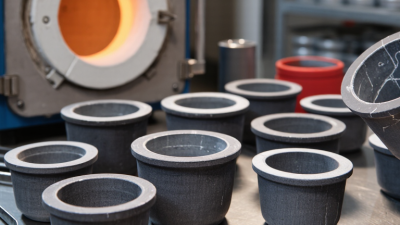
A silicon carbide crucible is a heat-resistant vessel used to melt or hold metals. Many commercial versions combine silicon carbide with graphite or clay; they are not always solid SiC. The material conducts heat well and tolerates repeated heating, making it useful in foundries, jewelry workshops, and laboratories. Common jobs include melting aluminum, copper, brass, and precious-metal alloys. Not all are alike. Flux chemistry, furnace temperature, and cooling speed affect service life, so a crucible suited to one alloy may fail prematurely with another.
The USGS Mineral Commodity Summaries 2025 estimated 2024 world primary aluminum production at about 72 million metric tons. That figure shows the scale of aluminum production, but it should not be mistaken for crucible demand: primary smelting mainly uses electrolytic cells. Crucibles are more relevant to smaller foundry melts, remelting, and batch work. In practice, operators should check capacity, wall thickness, pouring style, and compatibility with their flux before choosing a vessel. Thermal shock is a real risk. A cold, damp crucible placed into a hot furnace can crack; rushed handling can do the same. These details are easy to overlook, and published specifications do not always predict performance in a particular furnace.
How Are Silicon Carbide Crucibles Made and Classified?
Silicon carbide crucibles are made by blending graded SiC grains with a bonding system, often graphite and clay in graphite-SiC designs. The mix is shaped by pressing, ramming, or molding, then dried and fired. Grain size and binder proportions affect strength, heat transfer, and resistance to thermal shock. Small details matter. Firing conditions also vary by composition, so two crucibles labeled “SiC” may perform differently.
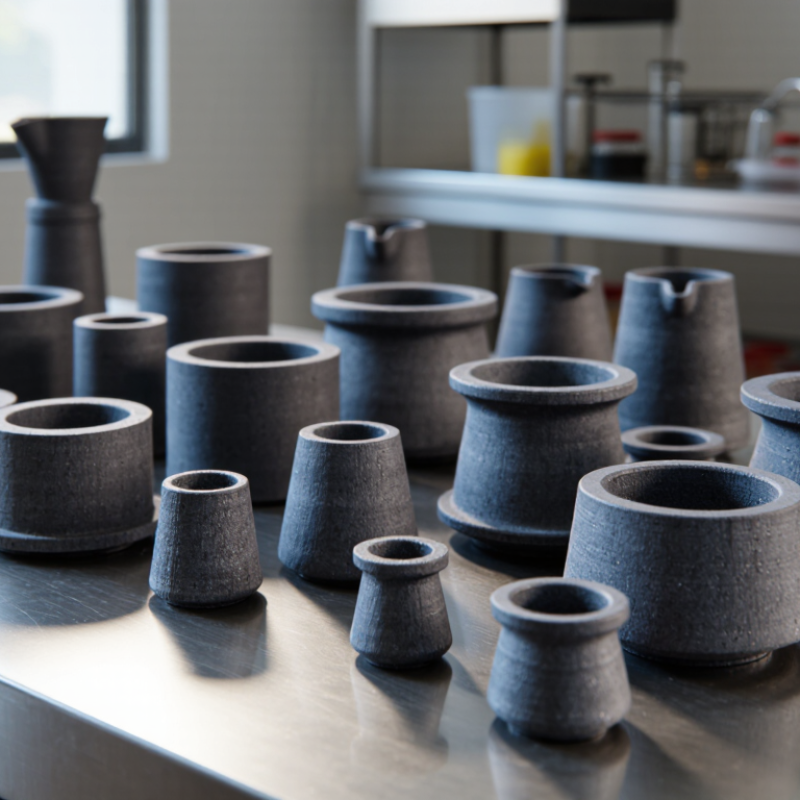
Classification usually reflects material, shape, and intended service. Clay-bonded SiC and graphite-SiC are common categories; other formulations are designed for particular furnace conditions. Crucibles may be cylindrical, tapered, or shaped for specific pouring equipment, with capacity and wall thickness affecting handling and heating. Not all labels are alike. A supplier’s rating should be checked against the actual metal, peak temperature, heating cycle, and atmosphere. This is where a simple category can mislead: a crucible suited to repeated non-ferrous melting may not last as long under rapid temperature swings or oxidizing conditions. Examine the construction and operating guidance, not just the material name.
Which Factors Affect Crucible Performance and Service Life?
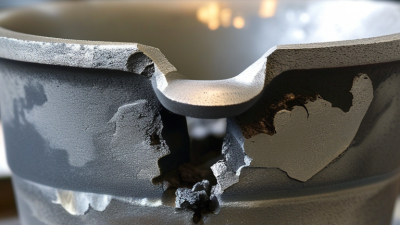
Silicon carbide crucible performance depends on more than its nominal temperature rating. Material purity, density, and porosity affect strength, heat transfer, and resistance to chemical attack. A crucible with fewer open pores may better resist penetration by molten material, but construction quality still matters. Heating rate matters too. Rapid temperature changes can create thermal stress and cracks, especially after repeated cycles. Oxidizing atmospheres and contact with reactive melts may also shorten service life.
Tips: Follow the supplier’s heating and cooling guidance. Avoid sudden temperature swings. Inspect the rim and base for fine cracks before each use.
Operating conditions often explain why two similar crucibles last different lengths of time. Keep the crucible clean, use compatible tools, and avoid knocks during loading or removal. Record the melt type, temperature, and number of cycles; these details make wear patterns easier to assess. There is no dependable service-life figure without those conditions. A stated lifespan can be useful, but it is not a guarantee. I would compare technical data and application support, not price alone; even careful estimates can miss a real-world factor.
How to Compare Silicon Carbide Crucible Suppliers in 2026
Comparing silicon carbide crucible suppliers in 2026 starts with matching the crucible to your furnace and process. Grade, wall thickness, dimensions, and lid fit can affect heating and service life. Request technical data on density, porosity, thermal conductivity, and recommended operating temperature. Numbers need context. A temperature rating alone is not enough.
Ask for test results from applications similar to yours. Check the furnace atmosphere, heating and cooling rates, and number of cycles behind any lifespan estimate. Suppliers should explain dimensional tolerances and inspection steps, including checks for cracks, chips, and uneven walls. When practical, test a sample using your own charge and operating cycle. Small details matter.
Compare prices on equivalent specifications, not just unit cost. Include freight, packaging, expected replacement frequency, and realistic lead times in your calculation. Ask how batches are identified and whether handling guidance is available. Claims about service life can be hard to compare when suppliers define failure differently. It is easy to overvalue a low quotation; I would revisit that judgment if the test conditions are unclear.
What Prices Can Buyers Expect and Which Costs Matter?
For 2026, silicon carbide crucible prices depend heavily on capacity, purity, wall thickness, and production method. Small standard crucibles may cost tens to several hundred US dollars, while large or custom industrial units can exceed $1,000. Treat these figures as planning estimates, not firm market quotes. Suppliers may price similar-looking products differently because their temperature ratings, tolerances, and expected service life differ.
The purchase price is only part of the cost. Freight matters: a heavy, fragile crucible needs careful packing and can be expensive to ship internationally. Buyers should also check tooling charges, minimum order quantities, lead times, replacement frequency, and whether inspection documents are included. Ask how the quoted price changes with order volume. I would not treat the lowest quote as the true cost; that assumption can age badly when a crucible cracks early or arrives late.
Tips: Request quotes for the same dimensions, operating conditions, and delivery terms. Ask for the expected service life under your process, and compare cost per usable run—not just cost per unit. Get packaging and replacement terms in writing. Small details matter. A supplier’s test data can help, though it may not perfectly match your furnace or handling routine.