Best Silicium Carbide Suppliers for Global Buyers?
In the competitive landscape of SiC (Silicium Carbide) suppliers, experts emphasize the importance of quality and reliability. Dr. Emily Carter, a leading figure in the SiC industry, states, “Choosing the right supplier can make or break your project.” Her insight reflects the stakes around sourcing this vital material, essential for power electronics and high-temperature applications.
Global buyers face challenges when identifying reputable Silicium Carbide suppliers. Numerous companies claim to provide top-tier products, but not all meet high industry standards. An informed choice relies on understanding supplier capabilities, technological advancements, and customer service.
In this market, buyers should evaluate the supplier's track record. Transparency, certifications, and feedback from previous clients are critical. Engaging with experienced suppliers can facilitate access to superior Silicium Carbide products, ensuring project success. This industry requires diligence, as the right partnerships are crucial for long-term gains.

Overview of Silicon Carbide and Its Applications
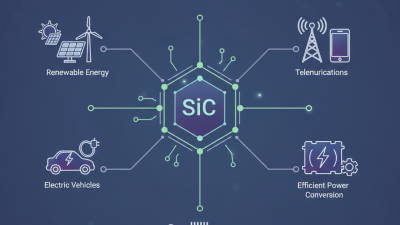
Silicon carbide (SiC) is a compound semiconductor with remarkable properties. It exhibits a high thermal conductivity and wide bandgap, making it suitable for various applications. SiC is used in power electronics, automotive, and high-temperature environments.
In power electronics, SiC enables energy-efficient devices. According to a recent report by MarketsandMarkets, the SiC market is expected to reach $4.4 billion by 2026, growing at a CAGR of 20.5%. This is primarily driven by the demand for electric vehicles and renewable energy technologies. SiC power devices can operate at higher voltages and temperatures than traditional silicon-based devices.
The automotive industry has embraced SiC for its efficiency. It reduces energy loss in electrical systems. For instance, SiC-based inverters improve electric vehicle range. The Global Semiconductor Alliance notes that nearly 30% of EV manufacturers are integrating SiC components. However, challenges remain. High production costs and material processing difficulties can hinder growth. Addressing these issues is crucial for wider adoption.
SiC's versatility extends to LED technology and telecommunication. Its benefits are apparent but often overlooked. For many applications, balancing cost with performance is a constant challenge. As demand grows, focusing on these conditions will be vital for future developments.
Best Silicium Carbide Suppliers for Global Buyers
| Supplier Region |
Material Type |
Application |
Market Share (%) |
Quality Rating |
| North America |
Silicon Carbide (SiC) |
Semiconductor Devices |
35% |
A+ |
| Europe |
Silicon Carbide (SiC) |
LED Technology |
25% |
A |
| Asia |
Silicon Carbide (SiC) |
Power Electronics |
30% |
A- |
| Middle East |
Silicon Carbide (SiC) |
Renewable Energy |
10% |
B+ |
| South America |
Silicon Carbide (SiC) |
Automotive Electronics |
5% |
B |
Key Factors in Choosing a Silicon Carbide Supplier
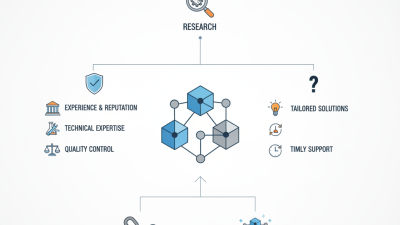
When choosing a silicon carbide supplier, several key factors come into play. One important consideration is the supplier's manufacturing capabilities. Suppliers with state-of-the-art technology and facilities can produce higher quality products consistently.
According to a report from Research and Markets, the global silicon carbide market is projected to reach $3 billion by 2026, highlighting the growing demand for high-performance materials.
Another critical factor is the supplier's reputation and reliability. Suppliers who have established a strong track record in the industry are often preferred. Look for suppliers with certifications that ensure their products meet international standards.
Furthermore, the ability to provide custom solutions is beneficial. Many industries require specific grades of silicon carbide that may not be readily available.
Pricing should also be assessed, but it shouldn’t be the only criterion. Some suppliers may offer lower prices but compromise on quality, leading to longer-term costs. The balance between cost and quality is essential. Transparency in communication is vital. Suppliers that provide clear information tend to build trust.
Consider these aspects carefully to make an informed decision.
Top Global Suppliers of Silicon Carbide: A Comparative Analysis
Silicon carbide (SiC) has gained significant traction in various industries due to its remarkable properties. These include high thermal conductivity, exceptional strength, and resistance to corrosive environments. As global demand rises, buyers need to identify suitable suppliers to ensure quality and reliability. A thorough analysis reveals that several key players dominate this niche market.
In today's competitive landscape, evaluating silicon carbide suppliers involves assessing their production capabilities and technological advancements. Many suppliers invest heavily in R&D, aiming to enhance material performance. This pursuit of innovation can lead to variations in product quality. Buyers must be wary of discrepancies, as not all suppliers meet the same standards. Feedback from the industry is crucial, as it provides insights into reliability and service levels.
Moreover, buyers should consider geographic location during their supplier selection. Proximity can lead to reduced shipping times and costs. Despite modern logistics capabilities, unforeseen delays may arise. Thus, establishing strong communication channels is vital to ensure clarity and trust between buyers and suppliers. Understanding these dynamics will ultimately influence purchasing decisions and satisfaction in the long run.
Quality Standards and Certifications for Silicon Carbide Suppliers
When sourcing silicon carbide, buyers must prioritize quality standards and certifications. According to data from the Global Silicon Carbide Market report, the industry is expected to reach $6.24 billion by 2025. This growth emphasizes the need for reliable suppliers. Suppliers should meet stringent industry standards, such as ISO 9001 for quality management. Certifications ensure the supplier adheres to consistent processes, minimizing defects.
Tips: Always verify a supplier's certifications. Look for compliance with industry standards unique to your application.
Moreover, sourcing locally versus internationally can impact quality assurance. Local suppliers may offer easier access to certifications and quicker response times. However, international suppliers might provide competitive pricing. The balance between cost and quality is often delicate. Buyers must not overlook post-purchase support, as product performance can vary.
Tips: Assess the supplier's support options. Ask if they offer technical guidance or troubleshooting assistance.
In an evolving market, keeping abreast of technological advancements in silicon carbide is crucial. Many suppliers are investing in research to enhance the performance of silicon carbide products. Therefore, ensure your supplier remains updated with the latest innovations. This engagement can significantly affect your supply chain efficiency and product quality.
Best Silicium Carbide Suppliers - Quality Standards and Certifications
This bar chart illustrates the quality certification percentages for various silicon carbide suppliers. Each entry represents the level of compliance with industry standards, showcasing the reliability of suppliers in providing quality products.
Future Trends in the Silicon Carbide Supply Chain and Market Dynamics
The silicon carbide (SiC) market is undergoing significant changes. Emerging technologies are driving demand for SiC in sectors like electric vehicles and renewable energy. As the need for efficient and durable semiconductors grows, so does the interest in SiC. Its ability to handle high temperatures and voltages makes it indispensable for modern applications.
However, challenges persist in the supply chain. Although many suppliers are entering the market, not all offer the same quality. Fluctuations in raw material availability can impact production timelines. Buyers must navigate these variables carefully. Pricing pressures are also influencing market dynamics, making it essential for buyers to establish reliable partnerships.
Additionally, the race for innovation is reshaping the landscape. Companies are investing in research and development to enhance SiC manufacturing processes. This push for improvement introduces a learning curve for some suppliers. As the market evolves, buyers need to stay informed about trends and developments. Balancing reliability with innovation will be crucial for navigating the SiC supply chain's future.