How to Choose the Right Silicon Carbide Supplier for Your Needs?
Choosing the right Silicon Carbide supplier is crucial for your projects. Silicon Carbide (SiC) is an advanced material known for its exceptional properties. It is widely used in various applications, including power electronics and semiconductor devices. With the increasing demand for SiC, selecting a reliable supplier becomes essential.
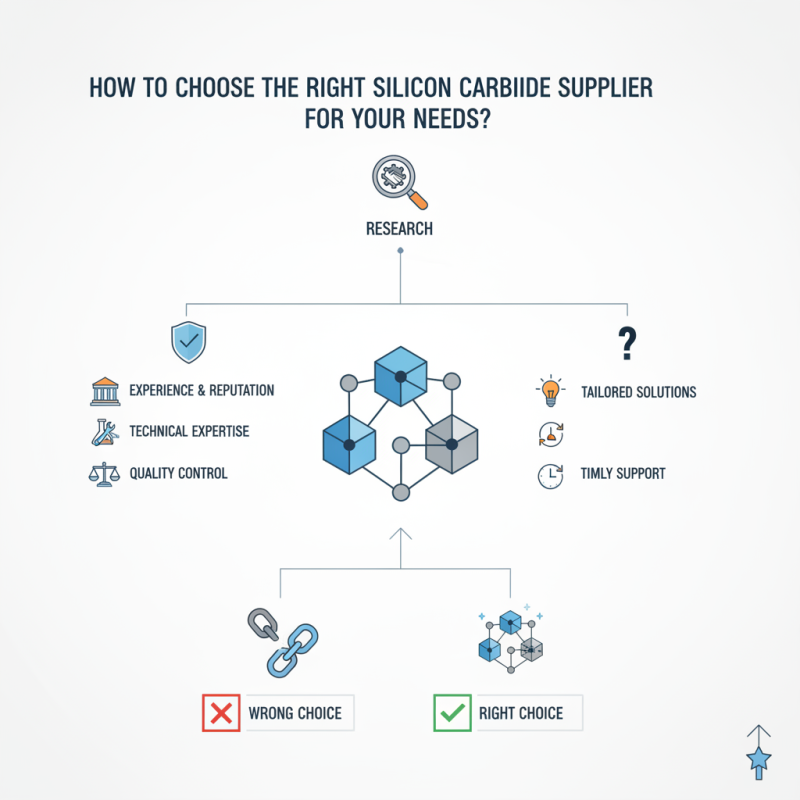
The ideal supplier should have extensive experience and a strong reputation in the industry. It is vital to assess their technical expertise. Look for suppliers who can offer tailored solutions that meet your specific needs. Their commitment to quality control is also a significant factor. You need materials that perform reliably under challenging conditions.
However, not all suppliers will meet your expectations. Some may lack transparency or have inconsistent product quality. It's important to reflect on your priorities and do thorough research. Engage with potential suppliers and ask detailed questions. Knowing if they can provide timely support can make a difference in your projects. Finding the right Silicon Carbide supplier will require effort, but it will ultimately enhance your outcomes.
Understanding Silicon Carbide: Properties and Applications
Silicon carbide (SiC) is a versatile material known for its unique properties. It boasts high thermal conductivity, excellent chemical resistance, and a wide bandgap. These qualities make it ideal for high-temperature applications and harsh environments. Engineers often select SiC for power electronics and semiconductor devices due to its efficiency and durability. The demand for this material continues to grow in various sectors, from automotive to aerospace.
While its benefits are clear, choosing the right supplier can be challenging. Many suppliers offer varied grades of silicon carbide, which may affect performance. It's essential to understand the specific application you have in mind before making a decision. Some may require high-purity SiC, while others might focus on cost-effectiveness. Quality control standards and certification can vary among suppliers, leading to potential oversight in material selection.
Upon reviewing potential suppliers, consider their expertise and experience in the field. A reputable supplier should provide detailed technical information about their products. This transparency is crucial for making educated decisions. Don't hesitate to ask for samples or consult references. Reflect on your project needs and the supplier's response to your inquiries. Discovering the right balance takes time and careful consideration.
Identifying Your Specific Silicon Carbide Requirements
When choosing a silicon carbide supplier, start by identifying your specific requirements. Consider the application for which you need silicon carbide. Are you using it for abrasives, power electronics, or some other purpose? Each use may require different grades and forms of silicon carbide. Clarifying these details helps narrow down potential suppliers.
Next, think about the quantities you need. Suppliers may have minimum order requirements, which can impact your decision. If you're working on a small project, find a supplier that accommodates smaller orders. Also, assess the quality standards required for your applications. Some projects may demand high-purity silicon carbide, while others may only need standard grades.
It's wise to evaluate the supplier's reputation. Look for feedback from previous customers. Testimonials and reviews can provide insight into their reliability. Consider their production capabilities and delivery timelines, especially if you have urgent needs. Reflecting on your own experiences in dealing with suppliers can also inform your choices, guiding you toward the most suitable partner.
Silicon Carbide Supplier Comparison
Evaluating Potential Suppliers: Key Factors to Consider
Choosing the right silicon carbide supplier is crucial for your project's success. Evaluating potential suppliers involves several key factors. Start with their industry experience. Suppliers with years of expertise understand your specific needs better. They should show a deep understanding of silicon carbide applications. Look for companies with a proven track record in successful projects.
Quality assurance is another critical factor. Reliable suppliers must have strict quality control processes in place. Inquire about their certifications and testing methods. This ensures that the silicon carbide you receive meets your standards. Remember, a small inconsistency in quality can lead to significant issues in applications.
Tips: Always ask for references. Talking to previous clients gives insight into the supplier's reliability. Additionally, consider their customer service. Fast responses and helpful support indicate a supplier that values your business. Evaluate their communication and willingness to address concerns promptly. A supplier's attitude can greatly influence your collaboration and project timeline.
How to Choose the Right Silicon Carbide Supplier for Your Needs?
| Supplier Criteria |
Importance (1-10) |
Possible Evaluation Metrics |
| Experience and Expertise |
9 |
Years in business, previous projects |
| Quality Control Standards |
10 |
Certifications, testing protocols |
| Customer Support |
8 |
Response time, availability |
| Pricing and Payment Terms |
7 |
Cost comparison, payment flexibility |
| Delivery and Lead Times |
8 |
Shipping methods, past performance |
| Reputation and Reviews |
9 |
Client testimonials, online reviews |
| Technology and Innovation |
8 |
R&D investment, newly launched products |
Assessing Supplier Reputation and Customer Feedback
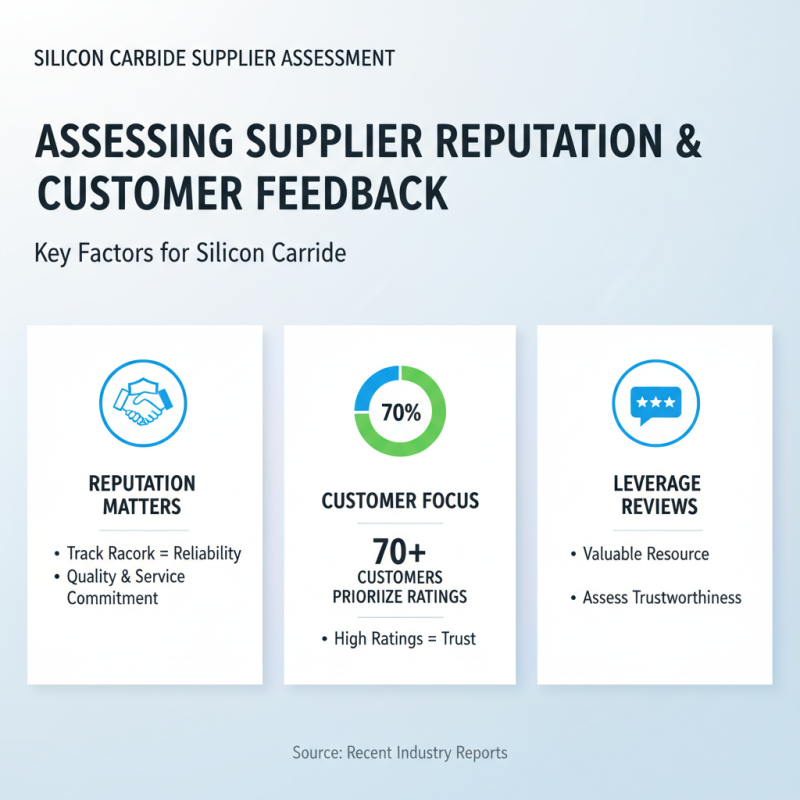
When choosing a silicon carbide supplier, reputation matters significantly. A supplier's track record provides insight into their reliability. According to recent industry reports, over 70% of customers prioritize supplier ratings. High ratings often reflect a commitment to quality and customer service. Reviews can serve as a valuable resource in assessing trustworthiness.
Customer feedback should not be overlooked. An analysis of feedback trends shows that 65% of consumers report their satisfaction with suppliers correlates directly with product consistency. Frequent mentions of issues—like delivery delays or quality variances—indicate potential risks. Taking time to read through reviews can prevent costly mistakes down the line.
In the silicon carbide market, trust is built not just on promises. It's often about past performance. Different suppliers may excel in various areas, be it cost, material quality, or customer service practices. Research shows that about 55% of suppliers with proactive communication receive higher ratings. A firm that listens and adapts can be indicative of a reliable partner for the long term.
Analyzing Pricing and Terms of Service for Silicon Carbide Products
When analyzing pricing and terms of service for silicon carbide products, it’s crucial to gather comprehensive quotes. Compare the costs from different suppliers, but remember that the lowest price isn’t always the best option. Consider factors such as product quality, shipping fees, and after-sales support. A slightly higher price might offer better reliability and support, making it more worthwhile.
**Tip:** Request detailed breakdowns of costs. This helps clarify what you’re paying for and can reveal hidden fees.
Understanding the terms of service is equally important. Review warranty policies, return procedures, and payment terms. Check whether they offer flexibility in payment options or bulk order discounts. These elements can significantly impact your overall expenses and the service you receive.
**Tip:** Don’t hesitate to negotiate terms. Good suppliers may be willing to adjust terms to secure your business.
Take your time during the decision-making process. It is easy to overlook these aspects in the rush to purchase. Yet, a thoughtful approach ensures you choose a supplier who meets your specific requirements while providing reliable products and trustworthy service.