China Best Silicon Carbide Ceramic Manufacturer?
Choosing the China Best Silicon Carbide Ceramic Manufacturer requires more than comparing prices or polished websites. Buyers should examine material expertise, manufacturing records, and consistent quality evidence. A capable producer understands how silicon carbide purity, grain size, porosity, and sintering conditions affect final performance. These details influence hardness, thermal shock resistance, corrosion protection, and service life.
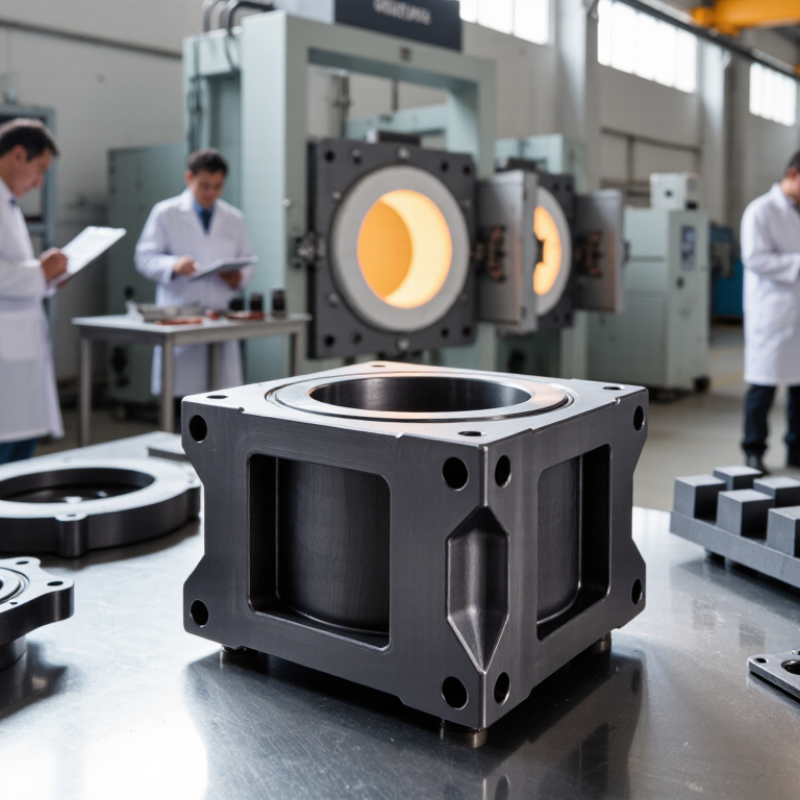
Experience becomes visible in practical applications. Look for manufacturers supplying kiln furniture, mechanical seals, armor components, wear plates, or semiconductor equipment parts. Ask for dimensional inspection reports, density results, thermal data, and batch traceability. Factory audits can reveal pressing equipment, sintering furnaces, machining capacity, and process discipline. Certifications may support credibility, but they do not replace technical verification. Real evidence matters.
Silicon Carbide Ceramic is not a universal solution. Its performance depends on design, operating temperature, chemical exposure, and installation quality. A reliable manufacturer should discuss these limits honestly. Be cautious when every claim sounds perfect. No supplier is perfect. That matters.
The strongest partner communicates clearly, protects drawings, supports sample testing, and responds when problems appear. Engineers should review tolerances, surface finish, joining methods, and expected failure modes before placing a large order. Independent testing can reduce uncertainty, especially for demanding industrial applications. Some information may remain incomplete during early discussions, and that deserves attention rather than assumption. A careful comparison can identify a Chinese manufacturer that combines production capability, technical experience, dependable documentation, and long-term customer support.
What Is Silicon Carbide Ceramic and Why Is It Important?
What Is Silicon Carbide Ceramic and Why Is It Important?
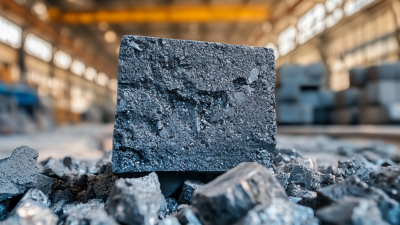
Silicon carbide ceramic is an engineered material made from silicon and carbon. It is extremely hard, lightweight, and resistant to heat, corrosion, and wear. Its hardness approaches 9.2 on the Mohs scale, while thermal conductivity commonly ranges from 120 to 270 W/m·K, depending on grade and processing. In practical use, these properties support kiln furniture, mechanical seals, armor components, heat exchangers, and semiconductor equipment.
Its importance is growing with electrification. MarketsandMarkets reported in 2024 that the broader silicon carbide market could increase from about US$2.2 billion in 2023 to US$4.4 billion by 2028. The report estimated a 14.6% compound annual growth rate. The International Energy Agency also reported that global electric car sales exceeded 17 million in 2024. This trend increases demand for efficient power systems, where silicon carbide components can reduce energy losses and tolerate higher operating temperatures.
Performance depends on more than chemical composition. It also depends on density, grain structure, surface finish, and joining quality. During factory inspections, tiny pores and edge chips deserve attention. They may become failure points under thermal shock. The material is not magic. Some market forecasts combine powders, ceramics, and electronic devices, so comparisons can be imperfect. A reliable evaluation should match test data with the intended temperature, load, and service environment.
Key Properties and Industrial Applications of Silicon Carbide Ceramics
China Best Silicon Carbide Ceramic Manufacturer?
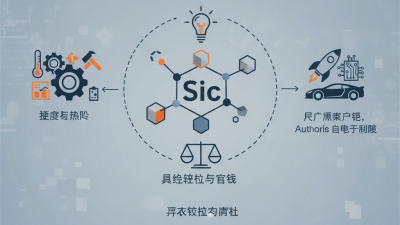
Silicon carbide ceramics combine high hardness, low density, and strong thermal stability.
Their surface resists abrasion from sand, powders, and fast-moving particles. They also maintain strength at temperatures where many metals soften. This makes them valuable in demanding industrial environments. Still, no ceramic performs perfectly in every condition.
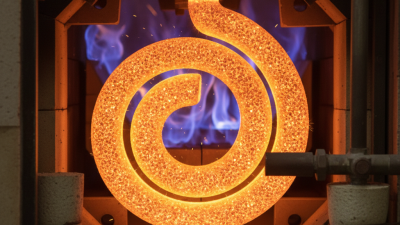
In heat-treatment equipment, silicon carbide supports kiln furniture, burner components, and radiant tubes. Its thermal conductivity helps spread heat more evenly.
In pumps and mechanical seals, its wear resistance can reduce maintenance caused by slurry or chemical exposure. Industrial boilers also use silicon carbide linings and tubes for erosion protection. These parts need accurate dimensions and controlled surface finishes.
Material selection requires more than checking hardness.
Engineers should review temperature cycles, impact loads, pressure, chemical contact, and installation stress. In practical testing, a strong component may still fail after sudden cooling or poor alignment. That detail is easy to underestimate. Quality control should include density checks, dimensional inspection, strength testing, and traceable production records. Different grades also behave differently, so application data should guide the final choice. Cost matters, but replacing a failed ceramic part inside hot equipment can cost far more.
How to Evaluate a High-Quality Chinese Silicon Carbide Manufacturer
How to Evaluate a High-Quality Chinese Silicon Carbide Manufacturer
Choosing China’s best silicon carbide ceramic manufacturer requires more than comparing prices. Check the material grade, silicon carbide purity, density, hardness, and thermal shock resistance. A reliable supplier should provide clear test reports and explain how each value was measured. Ask about forming methods, sintering temperature, machining tolerance, and surface finish. Details matter. A component that looks smooth may still contain hidden pores or uneven density.
Tips: Request samples from the same production line used for bulk orders. Measure dimensions, inspect edges under magnification, and test performance under realistic heat cycles. Review quality records, batch traceability, and inspection procedures. Factory audits can reveal whether equipment is maintained or simply presented for visitors. Independent laboratory testing adds confidence, especially for demanding industrial applications.
In practical sourcing, communication is also evidence of expertise. Engineers should answer technical questions with drawings, data, and reasonable limits. Be careful with perfect promises. I once valued an attractive sample too highly, while overlooking inconsistent tolerances between batches. That was a useful mistake. A dependable Chinese manufacturer should discuss possible defects, lead-time risks, packaging methods, and corrective actions openly. Look for documented experience with your operating temperature, pressure, chemical exposure, and installation conditions. A small pilot order may expose weaknesses before they become expensive production problems.
China Best Silicon Carbide Ceramic Manufacturer? How to Evaluate a High-Quality Chinese Silicon Carbide Manufacturer
The chart presents a practical procurement weighting model for evaluating silicon carbide ceramic manufacturers. Technical conformity and quality-system controls receive the highest weights because SiC performance depends heavily on material grade, density, dimensional accuracy, sintering control, and documented inspection. The percentages are evaluation guidelines rather than market-share or company-performance data.
Choosing the Best Silicon Carbide Ceramic Manufacturer for Your Needs
Choosing the best silicon carbide ceramic manufacturer requires more than comparing quotations. A capable supplier should connect material grade, forming method, firing control, and inspection evidence. The buyer must examine density, open porosity, flexural strength, and thermal shock performance. Silicon carbide is hard and heat resistant, but poor processing can create brittle edges or hidden pores. Small details matter.
Fortune Business Insights’ 2024 Silicon Carbide Market report estimated the global market at USD 4.11 billion in 2023. It projects the market to reach USD 8.65 billion by 2032. The International Energy Agency reported nearly 14 million electric car sales worldwide in 2023. These figures indicate rising demand for silicon carbide components in power and thermal applications. Growth alone does not prove manufacturing quality.
Ask each manufacturer for batch-level test records and clear acceptance limits. Request samples that match your real wall thickness, surface finish, and operating temperature. Review dimensional capability, traceability, furnace uniformity, and failure analysis procedures. A site audit can reveal inconsistent packing, manual handling marks, or weak documentation. No checklist is perfect. A low-cost sample may pass inspection but fail after repeated thermal cycling. Confirm testing through recognized methods, and compare several production lots before approving volume supply. Availability, engineering support, and honest communication also deserve attention. Some suppliers answer quickly but provide little measurable evidence. That should invite reflection, not immediate approval.