Leave Your Message

Top Silicon Carbide Ceramic Manufacturers in China?

China has become a major production base for Silicon Carbide Ceramic, supported by strong demand from electric vehicles, semiconductor equipment, and high-temperature processing. The China Nonferrous Metals Industry Association reported continuing growth in domestic silicon carbide capacity, while Yole Group’s Power SiC 2024 analysis identified China as an increasingly important market for SiC supply chains. These trends matter because ceramic quality depends on more than furnace temperature or powder purity.

It depends on details.

Grain size, porosity, bending strength, and surface finish can change performance inside a kiln, pump, or semiconductor chamber. Grand View Research has also projected sustained growth for the global silicon carbide market, driven by power electronics and industrial applications. However, forecasts vary between reports. Some estimates appear optimistic. Buyers should check production evidence, not only marketing claims.

Dr. John Palmour, a recognized silicon carbide industry expert and Wolfspeed co-founder, has often stressed that “silicon carbide is not a drop-in replacement for silicon.” The same caution applies to ceramic components. A factory may offer pressureless-sintered, reaction-bonded, or recrystallized products, yet each grade suits different thermal and mechanical conditions. This guide examines leading Chinese manufacturers through technical capability, testing systems, customization experience, and export reliability. It also considers less visible factors, including dimensional consistency, packaging, and after-sales response. Those details can decide whether a component survives repeated thermal cycling or fails prematurely.
Top Silicon Carbide Ceramic Manufacturers in China?

What Is Silicon Carbide Ceramic and Where Is It Used?

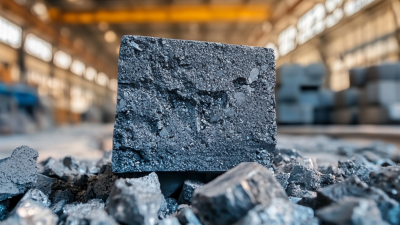
Silicon carbide ceramic is an advanced ceramic made from silicon and carbon. Its tightly bonded crystal structure gives it high hardness, excellent wear resistance, and stability at elevated temperatures. It also conducts heat well and resists many corrosive environments. These properties make it useful where ordinary metals may wear, deform, or corrode too quickly. It is not a universal replacement, though: the material can be brittle, and part design matters.

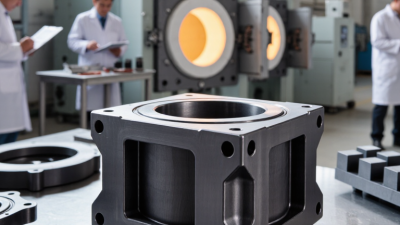
Common applications include mechanical seals, pump components, kiln furniture, heat exchangers, and protective tubes for industrial processes. In semiconductor and energy equipment, silicon carbide parts may support high-temperature operation and thermal management. Performance depends on more than the material name. Purity, porosity, manufacturing method, surface finish, and dimensional tolerances can all affect service life. A component that looks suitable on paper may still fail if its geometry creates stress concentrations.

Tips: Match the grade to the operating temperature, chemical exposure, and load. Ask for test data on density, strength, and thermal properties, rather than relying on a general product description. For a supplier comparison, review quality controls, machining capability, and inspection records. Small details count. I would also check how the part will be joined or mounted; this step is easy to overlook, and sometimes the weakest point is the interface, not the ceramic itself.
Silicon Carbide Ceramic: Density Comparison and Common Uses

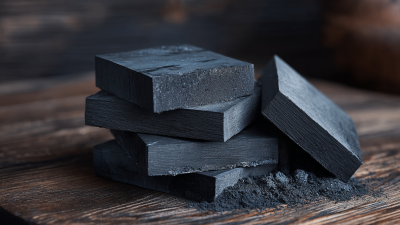
Silicon carbide (SiC) is a hard, lightweight ceramic known for wear resistance and high-temperature performance. It is used in mechanical seals, kiln furniture, semiconductor components, and protective parts.

Typical density values are approximate and vary with grade, composition, and manufacturing process.

How to Evaluate Silicon Carbide Ceramic Manufacturers in China

How to Evaluate Silicon Carbide Ceramic Manufacturers in China

A supplier’s brochure is only a starting point. Compare documented properties for the exact grade you plan to buy: density, porosity, hardness, thermal conductivity, and maximum service temperature. Ask how each value was tested, and request recent certificates tied to production batches. A polished sample can hide uneven dimensions or surface defects. Check several pieces.

Grand View Research estimated the global silicon carbide market at about USD 4.3 billion in 2023, with growth expected through 2030. This figure covers silicon carbide applications broadly, not ceramic components alone. Use it as market context, not proof of a supplier’s capability. For a meaningful comparison, request trial parts made to your drawing. Measure tolerances, inspect edges, and test performance under your operating conditions. Also review production capacity, lead times, batch traceability, and the process for handling rejected parts. Some buyers overlook packaging; brittle components can arrive chipped after long-distance shipping.

Tips: Ask for a small pilot order. Record dimensions and defects on arrival. Request written test methods, not just headline figures. Factory visits can help, but they do not replace independent inspection.

Which Chinese Manufacturers Produce Silicon Carbide Ceramics?

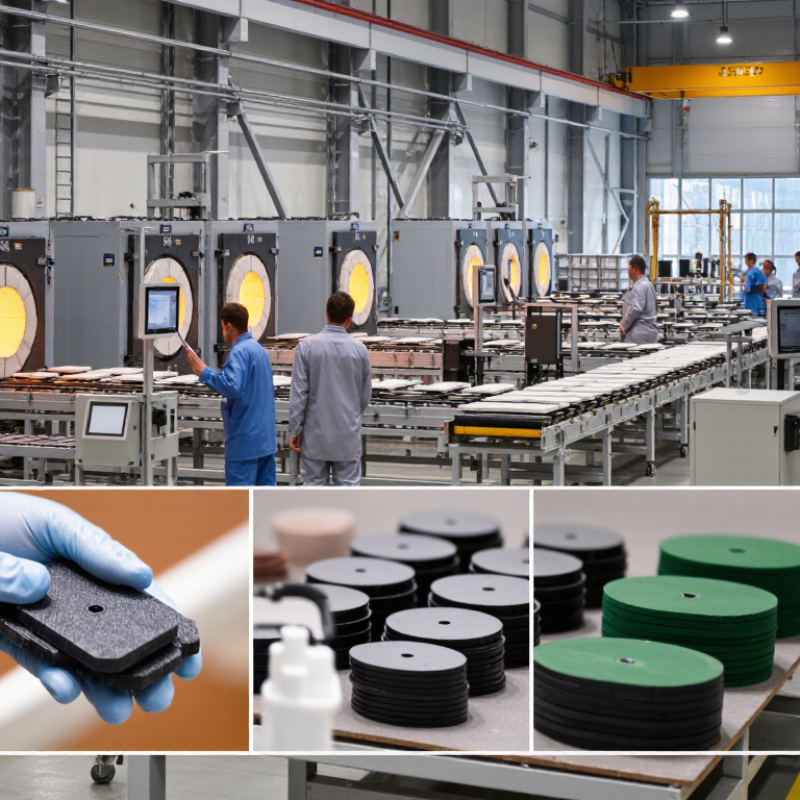
Chinese silicon carbide ceramic production is led by several manufacturer types. Powder-processing companies supply high-purity materials and granules. Ceramic specialists then shape, sinter, grind, and inspect finished parts. These producers serve semiconductor equipment, kiln furniture, armor, pumps, and thermal systems.

According to Mordor Intelligence’s 2024 silicon carbide market analysis, demand is expanding through power electronics, electric vehicles, and industrial heating. This growth supports China’s wider ceramic supply chain, although market reports often combine powders, wafers, and finished ceramics. That distinction matters. A factory producing abrasive powder may not have the equipment for precision ceramic components.

Reliable Chinese manufacturers usually show controlled sintering records, batch traceability, and dimensional inspection reports. Look for pressureless sintering, reaction bonding, or hot pressing capabilities. Dense parts should be tested for porosity, flexural strength, thermal conductivity, and thermal shock resistance. The U.S. Geological Survey’s Mineral Commodity Summaries also identifies silicon carbide as an important industrial material, but it does not rank ceramic suppliers by quality.

Test it. Supplier claims need independent verification. Request sample coupons, machining tolerances, and test conditions before approving production. Some suppliers publish impressive strength figures without stating temperature, specimen size, or testing standards. That is a weakness worth questioning.

How Do Manufacturing Processes and Product Grades Differ?

Silicon carbide ceramic manufacturers in China often use different routes to achieve different performance levels. Pressureless sintering starts with carefully blended SiC powder, binders, and sintering aids. The shaped part is dried, machined, and fired above 2,000°C. This method suits complex components and medium-to-large production volumes.

Hot pressing applies heat and mechanical pressure at the same time. It usually produces dense parts with strong mechanical performance and low porosity. Reaction-bonded SiC follows another path. Silicon infiltrates a porous carbon and SiC preform, creating a hard composite structure. It can offer accurate shapes, but residual silicon may limit high-temperature use. Recrystallized SiC provides excellent thermal stability, although its open porosity can require careful design.

Product grades should never be judged by purity alone. Engineers should compare density, porosity, grain size, flexural strength, thermal conductivity, and electrical resistivity. A 99% purity grade may perform differently from another 99% grade because processing conditions vary. Small details matter.

Ask for batch test reports, dimensional records, and sample data. Check whether values come from standardized methods. A polished datasheet can still hide inconsistent testing. This is where sourcing decisions become less certain. Ceramic suppliers may also describe “high density” without stating the measurement method. That wording deserves questions. Real evaluation needs trial parts, thermal cycling, surface inspection, and feedback from the final application.

What Factors Affect Supplier Selection and Long-Term Performance?

Selecting a silicon carbide ceramic supplier in China requires more than comparing quotations. The IEA reported nearly 14 million electric cars sold worldwide in 2023, increasing demand for power electronics and thermal-management components. This growth raises pressure on ceramic suppliers to deliver stable quality, not only low prices.

Technical data should lead the evaluation. Request measured thermal conductivity, open porosity, bulk density, flexural strength, purity, and coefficient of thermal expansion. Test results should identify the standard, equipment, batch number, and laboratory conditions. Grand View Research’s 2024 advanced ceramics report describes steady market expansion through 2030, but market growth does not guarantee consistent manufacturing. A supplier with documented powder preparation, sintering controls, machining records, and lot traceability is usually safer.

Long-term performance needs physical evidence. Ask for thermal-shock cycles, oxidation exposure, wear testing, and dimensional checks after repeated heating. Review nonconformance rates and corrective-action records. An on-site audit can reveal small details, such as cracked kiln linings or uncontrolled storage humidity. Those details matter. I would also compare pilot batches from different production lots, then inspect them independently. Price still matters, but an overly cheap offer may hide higher machining loss or unstable density. My own caution is simple: one successful sample proves very little. A supplier may perform well during qualification and weaken later without regular audits, shared specifications, and clearly agreed change-control procedures.

Top Silicon Carbide Ceramic Manufacturers in China? — What Factors Affect Supplier Selection and Long-Term Performance?

Selection Factor What to Compare Why It Matters for Long-Term Performance Evidence to Request Practical Evaluation
Silicon carbide grade and process Confirm whether the product is reaction-bonded, pressureless-sintered, recrystallized, or produced by another stated process. Compare the grade against the application rather than treating all SiC ceramics as interchangeable. Manufacturing route and grade influence properties such as porosity, strength, thermal conductivity, chemical compatibility, and achievable geometry. Material data sheet, process description, stated composition, and test results for the offered grade. Ask the supplier to identify the exact grade on the quotation and inspection documents.
Mechanical properties Compare flexural strength, fracture toughness, hardness, density, and porosity using the same test method and specimen conditions. Ceramics are brittle materials; design reliability depends on the actual grade, component geometry, surface condition, and operating loads—not a single headline strength value. Test reports identifying the method, sample count, specimen details, test conditions, and results. Use application-specific acceptance limits and check whether reported values are typical, minimum, or individual test results.
Thermal and chemical environment Check the operating temperature, thermal cycling, atmosphere, contact materials, and exposure to corrosive media. SiC performance depends on service conditions. In oxidizing environments, silicon carbide can form a silica-rich surface layer, but oxidation behavior and corrosion resistance vary with temperature, atmosphere, grade, and exposure. Relevant material data and test results under conditions that reasonably represent the intended service environment. Request a technical review for the actual temperature range, atmosphere, and expected service life.
Thermal conductivity and shock Compare thermal conductivity and thermal-expansion data for the specified grade; review component shape, wall thickness, and temperature-change rate. Thermal-shock performance is not determined by material name alone. Grade, flaws, geometry, temperature gradients, and heating or cooling rate all affect the risk of cracking. Grade-specific thermal property data and, where available, application-relevant thermal-cycle test results. Validate the component design and test representative parts if rapid temperature changes are expected.
Dimensional capability and finish Review drawing-specific tolerances, flatness, concentricity, surface finish, edge condition, and features requiring grinding or other finishing. Dimensional variation and surface defects can affect assembly, sealing, wear, and crack initiation. Achievable tolerances depend on part geometry and manufacturing route. Capability information for comparable parts, sample inspection reports, and a clearly defined drawing revision. Agree on critical-to-function dimensions and inspection methods before production approval.
Quality system and process control Assess documented incoming-material controls, process monitoring, nonconformance handling, corrective actions, and change control. Consistent process control helps reduce lot-to-lot variation and makes production issues easier to identify and resolve. Relevant quality-system certificates, control-plan details, inspection records, and examples of corrective-action documentation. Verify certificate scope and validity; confirm how material or process changes are communicated and approved.
Inspection and traceability Determine how batches, raw materials, finished parts, and test results are identified and linked. Traceability supports root-cause investigation, replacement planning, and consistent follow-up if a performance issue occurs. Sample certificates of conformity, lot identification records, and inspection reports linked to a production batch. Include required records, sampling rules, and acceptance criteria in the purchase specification.
Engineering and customization Evaluate support for design-for-manufacture reviews, material selection, prototypes, drawing clarification, and failure analysis. Early engineering input can help identify difficult features, reduce avoidable rework, and align the selected grade with actual service requirements. Written design feedback, prototype plan, technical contact details, and a defined process for resolving quality issues. Use a representative prototype or pilot lot before committing to high-volume production.
Supply continuity and delivery Compare confirmed production capacity, planning practices, export packaging, shipping terms, and contingency arrangements. Reliable replenishment and suitable packaging help limit production interruptions and shipping damage over the life of a program. Written lead-time assumptions, packaging specifications, delivery records where available, and escalation contacts. Assess actual performance against agreed milestones; do not rely on an unqualified standard lead-time estimate.
Total cost and lifecycle value Compare quoted price together with tooling, finishing, inspection, packaging, freight, rejection risk, and expected replacement frequency. A lower purchase price may not produce a lower lifecycle cost if tolerances, yield, durability, or delivery reliability do not meet the application needs. Itemized quotation, assumptions, warranty or remedy terms, and agreed quality requirements. Compare offers on the same grade, drawing revision, test requirements, quantity, and delivery basis.

Selection note This is a supplier-evaluation framework, not a ranked list of manufacturers. Silicon carbide properties vary by grade and production route; confirm specifications and test conditions for the exact component and application.