Top 10 Benefits of Silicon Carbide Ceramic for Global Buyers?
Silicon Carbide Ceramic has emerged as a top choice for various industries. Its unique properties offer numerous advantages that appeal to global buyers. This material is known for its exceptional hardness and thermal stability. As industries strive for efficiency, Silicon Carbide Ceramic stands out.
One key benefit is its excellent wear resistance. This makes it ideal for applications in harsh environments. Additionally, Silicon Carbide Ceramic exhibits remarkable thermal conductivity. This property can improve energy efficiency in many systems. Buyers must consider these advantages when making purchasing decisions.
Furthermore, Silicon Carbide Ceramic can enhance product lifespan. Despite its high performance, it can be costly to produce. It’s crucial for buyers to weigh the benefits against investment. Ultimately, this material promises innovation and efficiency for those willing to embrace it.
Advantages of Silicon Carbide Ceramic in High-Temperature Applications
Silicon carbide ceramic is becoming a preferred choice in high-temperature applications. Its ability to withstand extreme heat makes it valuable for industries such as aerospace and automotive. This material resists thermal shock, contributing to greater reliability in severe operating conditions. The result is extended lifespan and reduced maintenance needs for critical components.
High thermal conductivity is another major benefit. Silicon carbide ceramics conduct heat away from sensitive areas. This capability helps avoid overheating and potential system failures. These ceramics also feature low thermal expansion, minimizing the risk of damage from thermal stress.
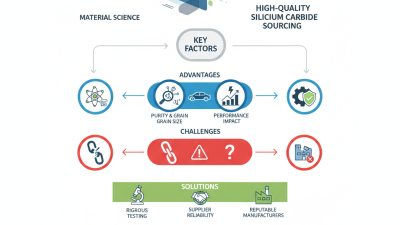
However, it’s essential to acknowledge some challenges. Manufacturing processes can be complex, and achieving the desired purity often poses hurdles. Additionally, while the raw materials are relatively abundant, the production costs can be high. Companies need to weigh these factors against the benefits. Overall, silicon carbide ceramic demonstrates significant advantages in high-temperature environments but requires careful consideration during implementation.
Top 10 Benefits of Silicon Carbide Ceramic for Global Buyers
| Benefit |
Description |
Applications |
| High Thermal Conductivity |
Allows efficient heat dissipation in high-temperature environments. |
Semiconductors, Aerospace |
| Exceptional Hardness |
Offers resistance to wear and abrasion, extending service life. |
Cutting Tools, Industrial Equipment |
| Chemical Resistance |
Resists corrosion from harsh chemicals and environments. |
Chemical Processing, Oil and Gas |
| Low Thermal Expansion |
Minimizes distortion under temperature changes, maintaining dimensional stability. |
Aerospace, Military |
| Electrical Insulation |
High dielectric strength makes it ideal for insulating applications. |
Electronics, Energy |
| Lightweight |
Reduces overall weight in applications while maintaining strength. |
Transportation, Robotics |
| Thermal Shock Resistance |
Withstands rapid temperature changes without cracking. |
Glass Manufacturing, Metal Processing |
| Sustainability |
Eco-friendly production processes with low environmental impact. |
Green Technology, Renewable Energy |
| Versatile Fabrication |
Can be tailored into various shapes and sizes for different applications. |
Custom Components, Advanced Manufacturing |
| Cost-Effective |
Reduces overall costs through durability and performance efficiency. |
Automotive, Electronics |
Enhanced Wear Resistance of Silicon Carbide Ceramics in Industrial Use
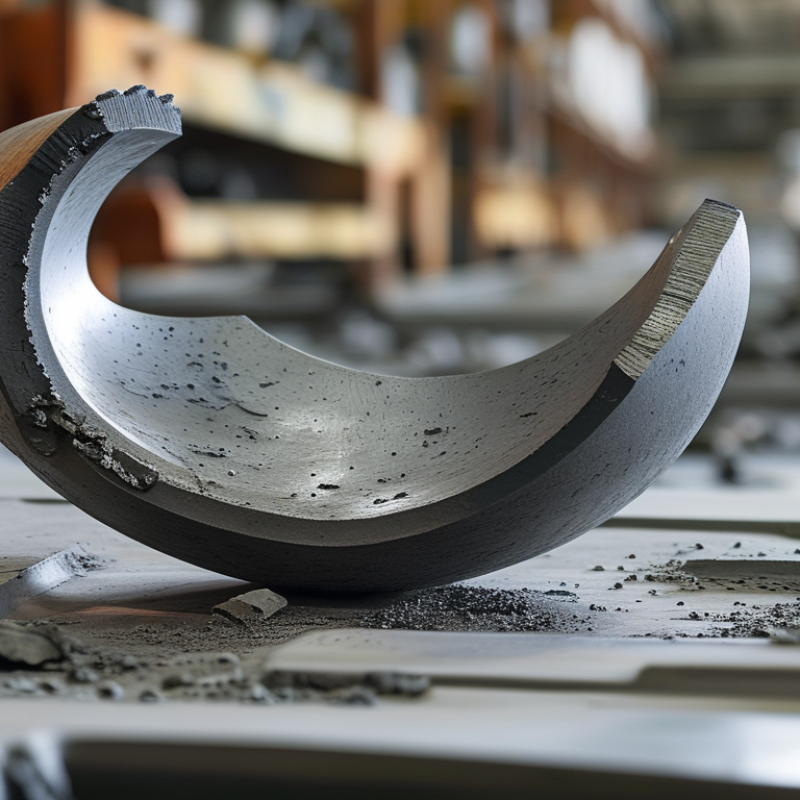
Silicon carbide ceramics are transforming industrial applications. Their enhanced wear resistance makes them ideal for tough environments. In manufacturing, they can withstand severe friction and abrasion. Machinery parts made from silicon carbide last longer, reducing downtime for maintenance. This durability is crucial for maintaining productivity in high-demand sectors.
Another key aspect of silicon carbide is its thermal stability. It can handle extreme temperature fluctuations without failing. This quality is particularly beneficial for equipment used in the aerospace and automotive industries. Operators can rely on these materials under stressful conditions. Yet, challenges remain in their production. The complexity of the sintering process can affect the final product quality. It's essential to find the right balance between processing conditions and desired properties.
In addition, while silicon carbide ceramics boast impressive wear resistance, they are not invulnerable. They can crack or chip under excessive stress. Future developments should focus on improving the toughness of these ceramics. Understanding their limitations can lead to better applications in the long run. Users should weigh the benefits against potential risks to make informed decisions.
Enhanced Wear Resistance of Silicon Carbide Ceramics in Industrial Use
Silicon Carbide Ceramics: Reducing Energy Consumption in Manufacturing
Silicon carbide ceramics have emerged as a game-changer in energy-efficient manufacturing. Their unique properties lead to significant reductions in energy consumption. This is vital for industries keen on minimizing their carbon footprint. In processes that require intense heat and durability, silicon carbide performs remarkably. It withstands high temperatures, reducing the energy needed for cooling phases. Consequently, this translates into lower operational costs for manufacturers.
In addition, these ceramics are lightweight yet incredibly strong. Such characteristics allow for reduced energy usage during transportation. Companies can transport more products with less fuel. The material’s resilience also leads to longer lifespans for machinery, cutting down maintenance costs and waste. However, the initial investment in silicon carbide can be daunting. Buyers often hesitate, concerned about high upfront costs. Yet, the long-term savings and environmental benefits are compelling.
Lastly, incorporating silicon carbide into manufacturing processes requires a cultural shift within companies. Workers need training to adapt to new materials and techniques. This may initially slow down production. Still, embracing change is essential for future sustainability and efficiency. As industries continue to innovate, the role of silicon carbide ceramics cannot be overlooked.
Cost-Effectiveness of Silicon Carbide Ceramics for Global Buyers
Silicon carbide ceramics have gained attention in various industries due to their exceptional properties and cost-effectiveness. One crucial aspect for global buyers is the significant reduction in operational costs. These materials exhibit high thermal conductivity and wear resistance, leading to longer service life in applications like cutting tools and components.
Additionally, silicon carbide ceramics offer lower manufacturing and maintenance costs. When evaluating the lifecycle cost, these ceramics require less frequent replacements compared to traditional materials. This factor can lead to substantial savings over time, making them a smart choice for many businesses.
Tips for buyers: Always compare the total cost of ownership, not just the initial price. Consider the potential savings in maintenance and increased productivity. Furthermore, assess supplier reliability and their ability to provide consistent quality. This can avoid costly surprises and delays.
Investing in silicon carbide ceramics can also improve performance efficiency in the long run. Their lower density means lighter components, which enhances overall system performance. However, buyers should always verify quality standards, as inconsistent supply can impact production.
Environmental Benefits of Silicon Carbide Ceramics in Sustainable Practices
Silicon carbide ceramics play a crucial role in promoting sustainable practices. They offer remarkable environmental benefits that resonate with global buyers. According to a recent report from a leading materials science journal, silicon carbide’s energy efficiency can reach up to 75% in industrial applications. This reduction in energy consumption translates directly into lower carbon emissions, a key factor in combating climate change.
Additionally, silicon carbide ceramics are recyclable. This material can be repurposed without losing its beneficial properties. In various industries, up to 90% of silicon carbide can be recycled. This reduces waste and minimizes environmental impact. However, the recycling process is still not widely adopted. Barriers like high operational costs need addressing.
Moreover, silicon carbide exhibits high thermal resistance. It can endure extreme temperatures, reducing the need for additional materials. This characteristic lowers the overall resource consumption in production processes.
Nonetheless, manufacturers face challenges in scaling up production efficiently. Understanding these environmental benefits is critical for buyers aiming for sustainability. With careful consideration, they can capitalize on silicon carbide ceramics to foster eco-friendly practices.