Leave Your Message

Why Do Buyers Choose Green Silicon Carbide?

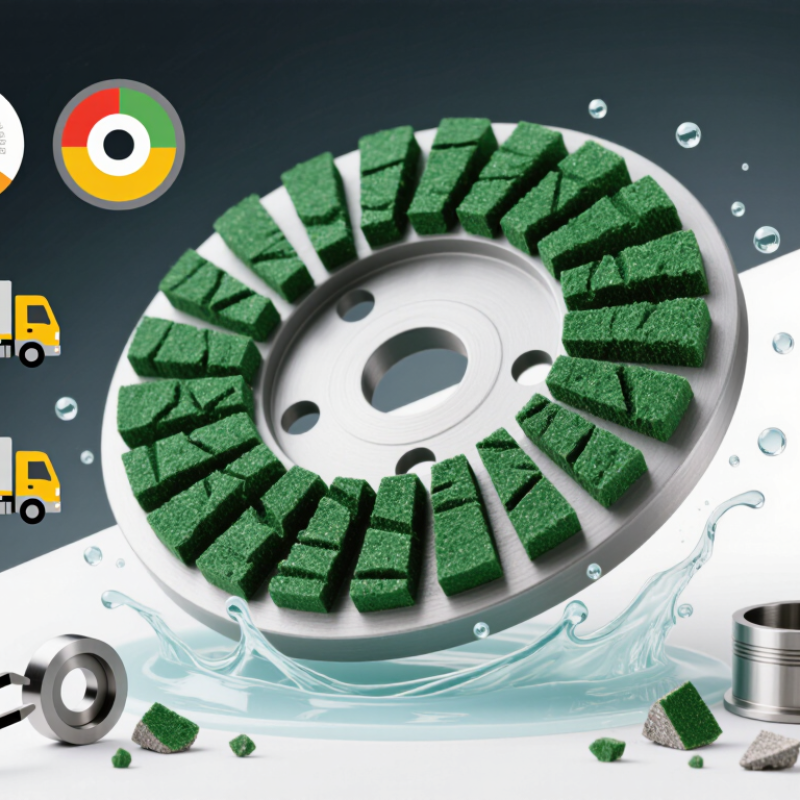
Green Silicon Carbide attracts buyers who need a hard, sharp abrasive for demanding finishing work. Its angular grains can cut efficiently when matched with suitable equipment and operating conditions. Buyers may consider it for grinding or lapping hard materials, including ceramics, glass, and certain nonferrous metals. The exact fit depends on the workpiece, required finish, and production setup. There is no universal answer.

A purchase decision usually involves more than hardness alone. Grain size affects surface finish and material removal, while bond type and wheel design influence how the abrasive performs. Buyers also compare consistency between batches, available specifications, delivery reliability, and total operating cost. Ask suppliers for technical data, and check that the recommended grade suits the application. Small details matter.

A sample trial can reveal issues that a product sheet cannot, such as unexpected wear or a finish that misses the target. Green Silicon Carbide may be a strong choice in some applications, but it is not automatically the best option for every job. Results can vary with machine settings, coolant, operator practice, and workpiece condition. That nuance is easy to overlook. Careful testing helps buyers make a more informed choice.
Why Do Buyers Choose Green Silicon Carbide?

What Green Silicon Carbide Is and How It Is Made

Why Do Buyers Choose Green Silicon Carbide?

What Green Silicon Carbide Is and How It Is Made

Green silicon carbide is a hard, crystalline material made from silica and carbon. Its green appearance comes from the material itself, not a colored coating. Compared with black silicon carbide, it is generally purer and more friable, meaning its grains can fracture and expose fresh cutting edges. That makes it useful for precision grinding of hard, brittle materials such as glass, ceramics, and cemented carbide. Buyers value its cutting action, but the right choice depends on the workpiece and grinding setup.

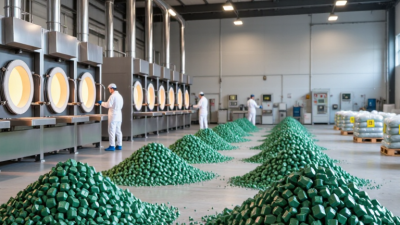
Manufacturers typically produce it in an electric resistance furnace using high-purity silica and carbon, often petroleum coke. Intense heat forms silicon carbide crystals. After the furnace cools, workers separate the material, crush it, and screen it into grain sizes. Purity, grain shape, and sizing affect how consistently an abrasive performs. Color alone is not a reliable quality check. It is an easy detail to overlook.

Tips: Match grain size to the finish and material you need. Check the supplier’s technical data, and test a small batch when conditions vary. A fine grain may improve surface finish, but it can cut more slowly.
Key Physical and Chemical Properties of Green Silicon Carbide

Green silicon carbide is valued for a combination of hardness, sharp grain shape, and thermal stability. Its hardness is about 9.2 on the Mohs scale, so it can cut materials that wear softer abrasives quickly. Under a workshop light, freshly fractured grains often show angular edges rather than smooth, rounded surfaces. That shape helps them maintain cutting action, though grains can fracture during use.

The green color is commonly associated with high-purity silicon carbide, but color alone cannot confirm a material’s grade. Check technical specifications and test performance under the intended conditions.

Silicon carbide also conducts heat effectively and remains stable at high temperatures. In air, however, it can gradually form a silica layer when heated; it is not completely inert. It resists many chemical environments, but the exact response depends on temperature and exposure.

A useful detail. For grinding or lapping, grain size and bonding method matter as much as the abrasive itself. A very hard grain may still perform poorly if the application, pressure, or workpiece is mismatched.

Applications That Benefit from Green Silicon Carbide

Applications That Benefit from Green Silicon Carbide

Green silicon carbide is valued where sharp cutting action and hardness matter. In grinding shops, it can finish tungsten carbide tools, ceramics, and glass. Its angular grains help produce clean surfaces, while its brittleness lets worn grains fracture and reveal fresh edges. That can be useful in precision work.

It is not a universal abrasive, though; wheel bond, grit size, and workpiece material still determine performance.

Ceramic manufacturers also use silicon carbide in kiln furniture and wear-resistant components exposed to heat or abrasion. In electronics, high-purity silicon carbide supports semiconductor wafers and power devices. These are specialized materials, not interchangeable with ordinary abrasive grains. The distinction matters.

The IEA’s Global EV Outlook 2024 reports nearly 14 million electric-car sales in 2023, about 18% of global car sales. That growth helps explain rising interest in silicon-carbide power electronics, but it does not mean every green SiC product is suitable for electronic manufacturing.

Buyers should match grade and form to the application: abrasive grains for grinding, engineered parts for harsh service, and tightly controlled purity for semiconductor use. A supplier’s certificate can help verify particle size and chemistry, but it cannot replace a trial on the actual machine or component.

Sometimes the promised finish is not what the shop gets. Test batches reveal that.

Cost, Durability, and Supply Factors Behind Buyer Choices

Buyers often compare green silicon carbide by more than its purchase price. Its sharp, hard grains suit cutting, lapping, and abrasive applications where particle consistency matters. In a workshop, uniform grain size can help keep feed rates and surface finishes steady.

Small details matter. A lower price per kilogram may still mean more waste, slower work, or frequent replacement.

Durability depends on the whole process, not just the abrasive. Pressure, bonding materials, workpiece hardness, and cooling conditions all affect wear. In a bonded tool, for example, the bond may fail before the grains are fully used. That changes the real cost.

Buyers should compare usable output and tool life under their own operating conditions, rather than relying on a specification sheet alone. A small trial is often wiser than a confident spreadsheet.

Supply also shapes purchasing decisions. Mesh size, purity, batch consistency, and lead time can vary between suppliers and production runs. A substitute grade might work, but it can alter cutting speed or finish. Buyers often request samples and batch documentation before placing larger orders.

There is no perfect grade. Even careful testing can miss a production issue that appears months later.

How Buyers Compare Green Silicon Carbide with Alternatives

Buyers compare green silicon carbide by workpiece, finish, and cost per usable cut—not hardness alone. Its sharp, hard grains suit glass, ceramics, stone, and cemented carbide, where clean cutting matters. For steel, aluminum oxide often lasts longer because its grains are tougher and resist fracture. Green SiC can cut quickly, but brittle grains may wear away sooner under heavy pressure.

Grain size changes the comparison. FEPA’s coated-abrasive grain-size table gives P120 a nominal mean size of about 125 micrometers, offering buyers a common basis for comparing products. A finer grade can improve the finish but remove material more slowly; the actual result also depends on backing, bond, pressure, and machine speed. That matters. A grain label alone cannot predict shop-floor performance.

For high-precision work on very hard materials, diamond may outlast SiC, but its higher purchase price can be difficult to justify on short runs. A practical trial should record stock removed, surface finish, and abrasive life on the same workpiece. One purchasing mistake is to compare price per sheet while ignoring usable cutting time. Even a controlled test has limits: operator pressure and coolant can shift the result. FEPA 42-1:2006 provides grain-size classifications, not a guarantee of cutting rate.