2026 Top Uses of Silicon Bronze All You Need to Know?
Silicon Bronze is known for its strength and corrosion resistance, making it a popular choice across various industries. In recent years, the application of Silicon Bronze has grown significantly. According to a report by the Global Bronze Market, the demand for Silicon Bronze is expected to increase by 10% annually, driven by the aerospace and marine sectors.
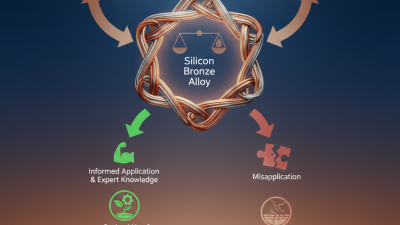
Engineers and manufacturers are increasingly recognizing its versatility. Silicon Bronze alloys are favored for their excellent weldability and machinability. For example, these materials are often utilized in marine hardware, ensuring longevity even in harsh environments. However, it’s essential to be mindful of the limitations. While Silicon Bronze is durable, improper use can lead to compromised performance.
In the quest for innovation, industries must adapt to changing technologies and environmental regulations. Understanding the various uses of Silicon Bronze is vital for informed decision-making. With its growing significance, professionals must explore practical applications and potential drawbacks. This balance will benefit product development and material selection in the years to come.
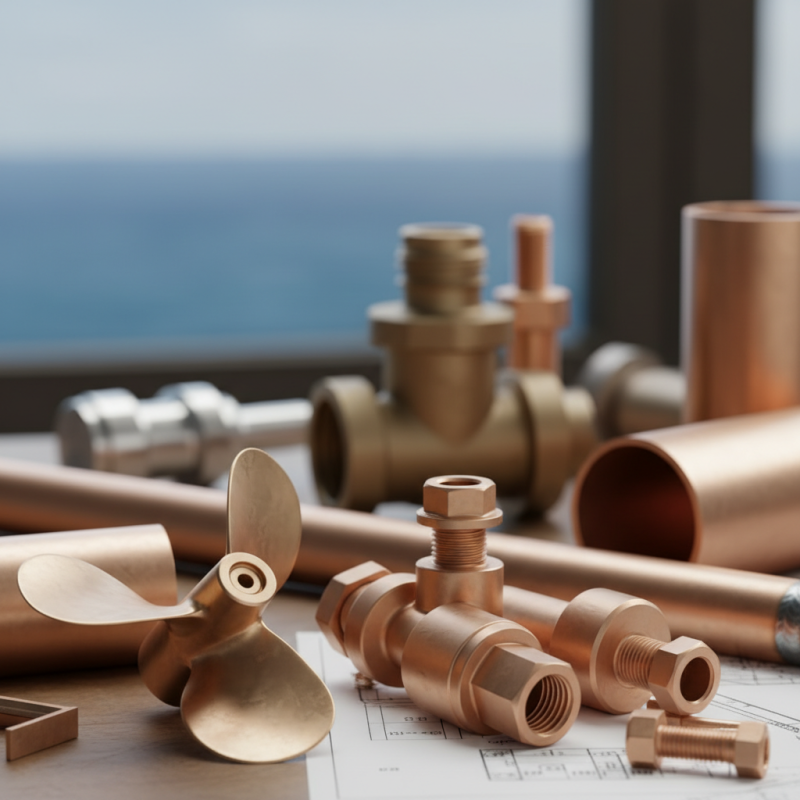
Key Characteristics of Silicon Bronze and Its Alloys
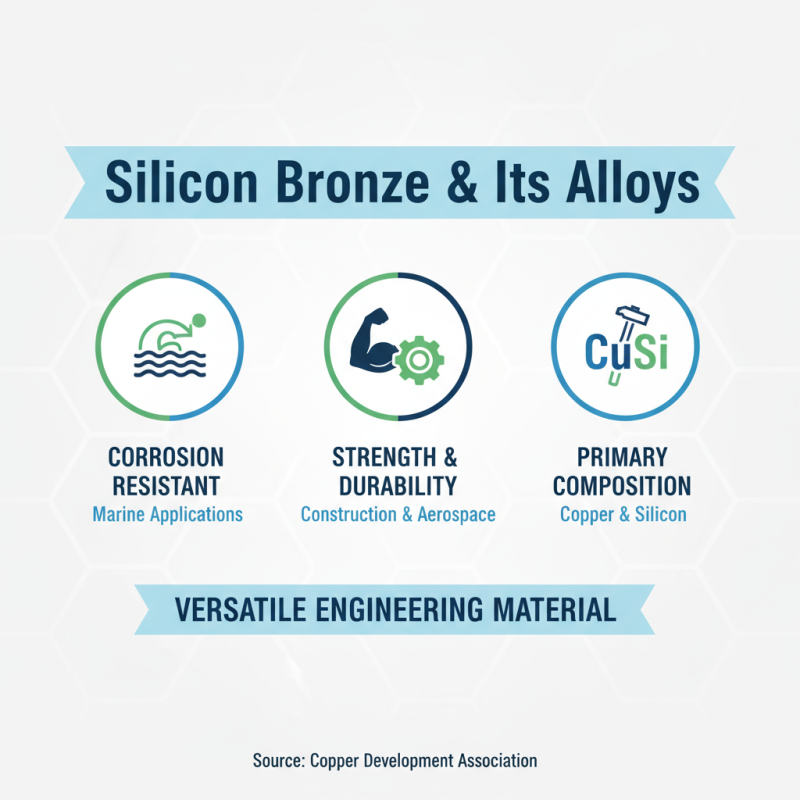
Silicon bronze, an alloy primarily of copper and silicon, is renowned for its unique properties. It exhibits excellent corrosion resistance, making it ideal for marine applications. According to industry reports by the Copper Development Association, silicon bronze is gaining traction in construction and aerospace sectors due to its strength and durability.
These alloys typically contain 3-5% silicon, which enhances their mechanical properties. The addition of silicon provides improved casting characteristics and weldability. This makes silicon bronze a popular choice for intricate components such as valves and fittings. Furthermore, the alloy's fatigue resistance is significant. It performs well under cyclic loads, expanding its suitability across various industries.
Tip: When selecting silicon bronze for projects, consider the specific environmental conditions. Allergens, moisture, or exposure to saltwater can affect performance.
On the downside, silicon bronze can be more expensive than other options. The market fluctuation in copper prices can impact costs considerably. Nevertheless, investing in quality materials like silicon bronze can reduce maintenance costs in the long run. Understanding the balance between initial investment and durability is crucial for making informed decisions about material selection.
Common Applications of Silicon Bronze in Various Industries
Silicon bronze is a popular material in various industries due to its unique properties. It has excellent corrosion resistance, making it ideal for marine applications. For instance, boat fittings and propellers often use silicon bronze to withstand harsh saltwater environments. This durability ensures longevity and reduces maintenance costs for vessels.
In the architectural field, silicon bronze is commonly used in decorative elements. Its distinctive color and shine add aesthetic appeal to buildings. Many artisans appreciate its workability, allowing for intricate designs in sculptures or railings. However, some fabricators face challenges with its welding process. This can lead to inconsistencies in finished products, prompting ongoing evaluation of techniques.
Additionally, silicon bronze is utilized in electrical applications. Its conductivity makes it suitable for terminals and connectors. The alloy's resistance to wear is beneficial in high-friction environments. However, careful attention is needed during manufacturing to maintain conductivity standards. Experts often emphasize the importance of precise crafting in this area.
Benefits of Using Silicon Bronze Over Other Metal Alloys
Silicon bronze is an alloy primarily composed of copper with silicon. It offers numerous benefits that set it apart from other metal alloys. The combination of silicon and copper provides excellent corrosion resistance. This makes it a preferred choice for marine applications, where constant exposure to saltwater is a concern. Its natural resistance to tarnishing adds to its appeal in decorative uses, giving a lasting shine without frequent maintenance.
Another significant advantage of silicon bronze is its superior strength. The alloy exhibits great durability under stress, making it suitable for heavy-duty applications. Additionally, it possesses a relatively low expansion rate. This property is beneficial in environments that experience temperature fluctuations. The flexibility of silicon bronze allows it to be easily cast and formed into intricate shapes, making it highly versatile for various projects.
While its benefits are clear, there are challenges to consider. Silicon bronze can be more expensive than other alloys. This cost factor may deter some users. However, investing in silicon bronze often results in long-term savings due to its durability and low maintenance requirements. Ultimately, selecting the right material demands careful consideration of both properties and costs.
Considerations for Selecting Silicon Bronze for Projects
When selecting silicon bronze for your projects, consider several key factors. The alloy's properties are crucial for performance and longevity. Silicon bronze boasts great corrosion resistance, making it ideal for marine applications. Its excellent electrical conductivity also makes it suitable for electrical components.
A few tips: Always check the alloy's specifications before purchase. The right grade can make a significant difference. Consider the environment where the product will be used. High humidity areas require materials with better resistance to corrosion.
Another point to ponder is the aesthetic appeal of silicon bronze. Its warm golden hue adds character to ornamental pieces. However, be mindful of its patina development over time. This aging process can alter the initial appearance. It's worth reflecting on whether you prefer the evolving look of a patina.
2026 Top Uses of Silicon Bronze
Future Trends in Silicon Bronze Usage and Technology Innovations
Silicon bronze is gaining momentum for its diverse applications. According to a recent industry report, the market for silicon bronze is projected to grow by 6.5% annually through 2026. This increase is largely driven by advancements in manufacturing techniques and a growing emphasis on sustainability.
One significant trend is the usage of silicon bronze in marine applications. Its excellent corrosion resistance makes it ideal for shipbuilding and propellers. Additionally, the renewable energy sector is adopting silicon bronze for wind turbine components. This shift towards greener technologies will likely boost the alloy's demand significantly.
Tips: Consider silicon bronze when planning your next marine project. Its longevity can lead to lower maintenance costs. Moreover, always explore innovative alloy compositions to enhance performance.
Innovations in casting techniques and 3D printing will further expand silicon bronze's potential. Researchers are experimenting with hybrid materials that combine silicon bronze’s properties with other metals for customized solutions. However, while these advances show promise, challenges remain in achieving consistent quality and performance standards. Addressing these challenges will be vital for the industry’s future growth.