What is Silicon Bronze and its Best Applications in China?
Silicon Bronze is an alloy primarily composed of copper, silicon, and other elements. It is renowned for its excellent corrosion resistance and mechanical properties. In China, the demand for Silicon Bronze has surged in recent years. According to a report by the China Nonferrous Metals Industry Association, the consumption of Silicon Bronze is expected to grow by 15% annually. This growth is driven by its unique properties, making it ideal for various applications.
Industries such as marine, architectural, and electrical are increasingly adopting Silicon Bronze. For instance, in marine applications, its resistance to saltwater corrosion is invaluable. In architecture, it offers aesthetic appeal and durability. Despite its advantages, many industries have yet to fully explore this material's potential. There are challenges in sourcing high-quality Silicon Bronze. The inconsistency in quality can lead to failures in critical applications.
Thus, while Silicon Bronze presents an array of benefits, users must consider their specific needs. Ensuring the right grade and supplier is crucial. Awareness of these factors can maximize the performance and longevity of Silicon Bronze products.

What is Silicon Bronze?
Silicon bronze is a copper-based alloy, primarily made of copper, silicon, and some tin. This unique combination offers excellent corrosion resistance. It stands out for its strength and durability, making it ideal for various applications. Typically, silicon bronze contains 3% to 5% silicon, which enhances its mechanical properties. These traits make it a favorite in marine and industrial settings.
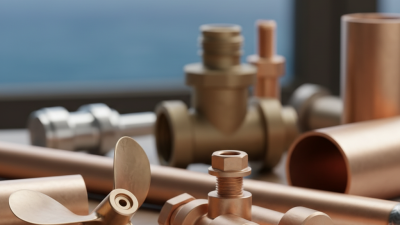
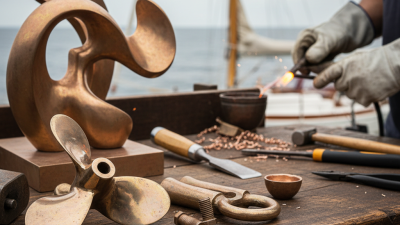
In China, silicon bronze applications are increasingly diverse. Manufacturers favor this alloy for creating marine hardware, such as propellers and pumps. Its resistance to saltwater corrosion is unmatched. In architecture, silicon bronze is used for decorative elements and fixtures. Builders appreciate its aesthetic appeal and longevity. This alloy is also employed in artistic sculptures, where both durability and visual impact are essential. However, sourcing high-quality silicon bronze can be challenging. Not every supplier meets the necessary standards. Users must ensure they purchase reliable materials for their projects, reflecting their commitment to quality.
Silicon Bronze Applications and Usage in China
Composition and Properties of Silicon Bronze
Silicon bronze is an alloy primarily composed of copper, silicon, and other elements. This specific combination gives it unique properties. The silicon content enhances corrosion resistance and increases strength. Typical silicon bronze contains about 96% copper and 4% silicon. Notably, it can also include small amounts of manganese or nickel to improve performance. These elements contributed to the alloy's strength and ductility, making it suitable for various applications.
In recent reports, the demand for silicon bronze in China has surged, particularly in marine and architectural industries. Its resistance to seawater corrosion makes it ideal for shipbuilding. Projects like coastal infrastructure have driven the growth. Data suggests that the silicon bronze market in China could witness a CAGR of over 5% during the next five years. Such robust growth indicates potential expansions in manufacturing and use.
Despite its advantages, silicon bronze may not be perfect for every application. While it offers excellent mechanical properties, its cost can be higher than other alloys. For example, its price fluctuates due to market demand for copper. Furthermore, the welding qualities of silicon bronze can vary, depending on the specific formulation used. Industry professionals often need to assess these factors carefully before making their choices. Choosing the right application for silicon bronze requires understanding its unique properties and potential cost implications.
Advantages of Using Silicon Bronze in Various Industries
Silicon bronze is a unique alloy that combines copper, silicon, and a small percentage of tin. This blend results in exceptional properties, making it a favored choice in various industries. The primary benefit of silicon bronze is its corrosion resistance. It performs well in harsh environments, significantly extending the lifespan of products exposed to elements.
One of its most notable applications is in maritime environments. Boats and ships benefit from silicon bronze's ability to withstand saltwater corrosion. Its strength makes it ideal for fittings and fasteners where reliability is crucial. Additionally, in the architectural sector, silicon bronze is utilized for its aesthetic appeal. Its natural golden hue enhances the beauty of structures while providing durability.
In the electrical industry, silicon bronze is recognized for excellent conductivity. Wire and connectors made from this alloy ensure efficient energy transfer. However, challenges remain, such as its cost, which may restrict its widespread use. The balance between price and longevity is often a topic of debate among manufacturers. Understanding these nuances helps in making informed decisions about silicon bronze applications in various markets.
Best Applications of Silicon Bronze in China
Silicon bronze is a versatile alloy known for its strength and corrosion resistance. In China, its applications span various industries, including marine, construction, and electronics. In the marine sector, silicon bronze is often used for boat fittings. Its resistance to sea water helps extend the lifespan of components.
In construction, silicon bronze finds its place in architectural hardware. Items like screws and fittings benefit from its durability and aesthetic appeal. This material is also utilized in art and sculpture, as it offers a unique finish. However, the availability of silicon bronze sometimes varies across regions, posing a challenge for continuous supply.
The electronic industry capitalizes on silicon bronze for connectors and terminals. It conducts electricity effectively while resisting tarnish. Despite its advantages, some engineers face difficulties in sourcing the right grade for specific projects. Furthermore, as demand grows, manufacturers must ensure consistent quality. This means ongoing investment in technology and training. As awareness of silicon bronze's benefits increases, its significance in various sectors will likely expand.
What is Silicon Bronze and its Best Applications in China?
| Application |
Description |
Benefits |
Common Uses in China |
| Marine Applications |
Used for marine hardware and components due to its corrosion resistance. |
Excellent resistance to saltwater, reduces maintenance costs. |
Boat fittings, propellers, and marine equipment. |
| Architectural Hardware |
Ideal for making decorative elements and fixtures in buildings. |
Aesthetic appeal and durability against outdoor elements. |
Doors, windows, and railings. |
| Electrical Applications |
Used in connectors and electrical components. |
Good electrical conductivity and resistance to corrosion. |
Power generation, transmission, and industrial equipment. |
| Artistic and Sculptural Work |
Used by artists for sculptures and metal art. |
Allows for intricate designs and a warm color finish. |
Public art installations and custom sculptures. |
| Industrial Applications |
Used in various industrial components and machinery. |
Durability and strength under high stress conditions. |
Manufacturing machinery and hydraulic systems. |
Comparative Analysis with Other Alloys in the Market
Silicon bronze is a popular material in various applications, especially in China. It is known for its excellent corrosion resistance and good mechanical properties. When comparing silicon bronze to other alloys like aluminum bronze and brass, several key differences emerge. For instance, silicon bronze has a higher resistance to seawater corrosion, making it ideal for marine environments. Meanwhile, aluminum bronze tends to have better strength in high-temperature situations.
The impact on cost should not be understated. Silicon bronze may be more expensive than regular brass, but its longevity often offsets the initial investment. When considering materials, factors like environmental exposure and required durability are crucial. Each alloy has its strengths and weaknesses. Choosing the right one can be complex.
When selecting an alloy, think about your specific needs. Assess the environment where the material will be used. It’s also wise to seek expert insights for a tailored solution. Remember, understanding each material's properties can prevent costly mistakes. Knowledge is power in material selection.